
Big roof rail
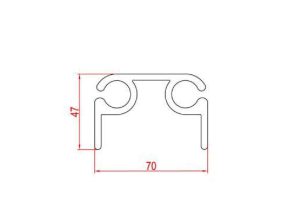
Big Roof Rail in Retractable Roof Systems
The roof rail is a vital component of any retractable roof system. It provides support and guidance for the roof panels as they open and close. In large retractable roof systems, the roof rail must be especially strong and durable to withstand the weight and movement of the panels.
There are several different types of big roof rails used in retractable roof systems. The most common type is the steel rail. Steel rails are strong and durable, and they can be used to support even the heaviest roof panels. However, steel rails can be expensive and difficult to install.
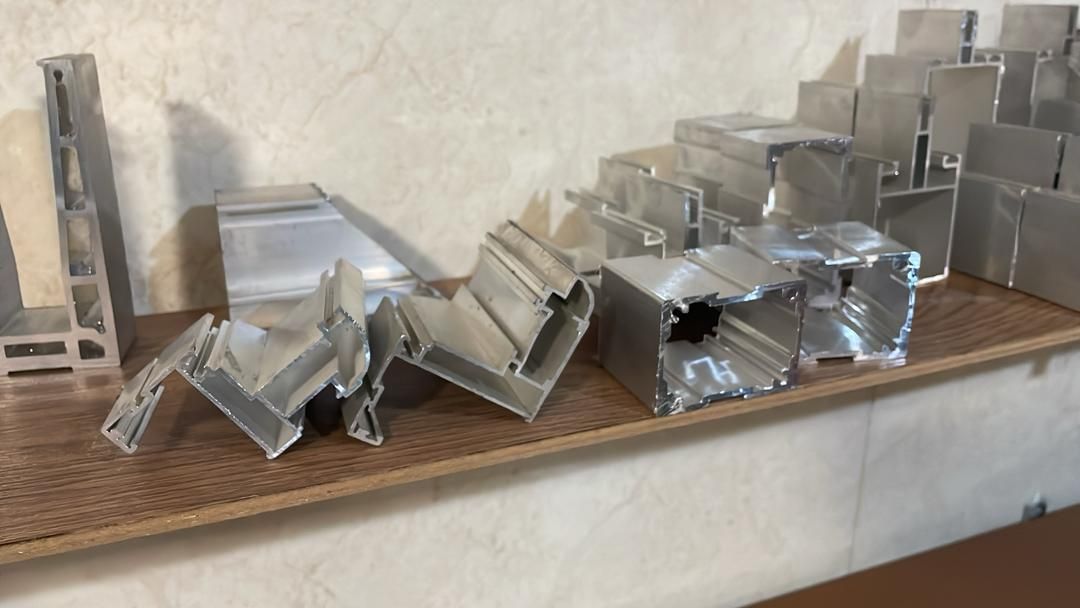
Another type of big roof rail is the aluminum rail. Aluminum rails are lighter and less expensive than steel rails, but they are not as strong. Aluminum rails are often used in residential retractable roof systems, where the weight of the panels is not as great.
A third type of big roof rail is the composite rail. Composite rails are made from a combination of materials, such as fiberglass and resin. Composite rails are lighter and stronger than steel rails, and they are also more resistant to corrosion. However, composite rails can be more expensive than steel or aluminum rails.
The size and type of big roof rail that is used in a retractable roof system will depend on several factors, including the size and weight of the roof panels, the wind load, and the desired level of performance.
Benefits of using big roof rails in retractable roof systems:
- Increased strength and durability: Big roof rails can support heavier roof panels and withstand greater wind loads.
- Improved performance: Big roof rails can help to ensure that the retractable roof system opens and closes smoothly and efficiently.
- Longer lifespan: Big roof rails can help to extend the lifespan of the retractable roof system.
- Greater safety: Big roof rails can help to improve the safety of the retractable roof system by preventing the roof panels from collapsing.
Things to consider when choosing a big roof rail for a retractable roof system:
- The size and weight of the roof panels: The roof rail must be strong enough to support the weight of the roof panels.
- The wind load: The roof rail must be able to withstand the wind load in the area.
- The desired level of performance: The roof rail should be able to open and close the roof smoothly and efficiently.
- The budget: Big roof rails can be expensive, so it is important to choose one that fits your budget.
Big Roof Rail: Applications and Future Trends
Big roof rails play a crucial role in various applications beyond simple retractable roofs. They provide structural support and guidance for large, heavy panels in diverse settings, including:
Stadiums and Arenas: Retractable roofs in stadiums and arenas require robust big roof rails to support the massive panels covering the playing field. These rails need to be designed to handle the weight of snow, rain, and wind, ensuring the safety of players and spectators.
Shopping Malls and Atriums: Large shopping malls and atriums often feature retractable roofs to create open-air spaces. Big roof rails help these roofs seamlessly open and close, providing natural light and ventilation while offering protection from the elements.
Concert Halls and Theaters: Retractable roofs in concert halls and theaters offer versatility, allowing for open-air performances or closed settings with optimal acoustics. Big roof rails ensure smooth operation and contribute to the overall performance experience.
Cruise Ships and Yachts: Luxury cruise ships and yachts often boast retractable roofs over swimming pools and entertainment areas. Big roof rails enable these features to be enjoyed in various weather conditions, maximizing passenger comfort and enjoyment.
Industrial Applications: Big roof rails find application in industrial settings like warehouses and factories, facilitating the movement of large objects or materials. They can also be used to cover loading docks and provide protection from adverse weather conditions.
Future Trends in Big Roof Rail Technology:
- Lightweight and Strong Materials: The development of new materials like composites and high-strength aluminum alloys will lead to lighter and stronger big roof rails, improving performance and reducing overall weight.
- Smart Sensors and Automation: Integration of sensors and automation into big roof rails will enable real-time monitoring and control of roof movement, adapting to weather conditions and optimizing energy efficiency.
- Advanced Design and Manufacturing: Technological advancements in design and manufacturing will allow for more complex and customized big roof rail systems, catering to specific needs and architectural aesthetics.
- Focus on Sustainability: Sustainable materials and energy-efficient operation will be key considerations in future big roof rail design, minimizing environmental impact and promoting green building practices.
Big Roof Rail: A Deep Dive into Design and Engineering
Beyond providing support and guidance for large, heavy panels, big roof rails are marvels of engineering, designed to withstand significant forces and ensure smooth operation. Let’s delve deeper into the design and engineering aspects of these impressive components.
Design Considerations:
- Size and Weight Distribution: Big roof rails need to be proportionally sized to handle the weight of the panels they support. This involves analyzing the weight distribution across the entire rail to ensure optimal strength and stability.
- Structural Integrity: The rail’s design must prioritize structural integrity, considering factors like bending moment, shear force, and torsion. Finite element analysis (FEA) plays a crucial role in simulating these forces and optimizing the rail’s shape and material composition.
- Material Selection: Selecting the right material for big roof rails depends on various factors like strength, weight, corrosion resistance, and cost. Steel, aluminum, and composite materials are commonly used, with each offering unique advantages and limitations.
- Track System and Guidance: The rail’s design must integrate seamlessly with the track system and guidance rollers, ensuring smooth movement and preventing derailment. Precision engineering plays a crucial role in achieving optimal alignment and minimizing friction.
- Safety Features: Safety is paramount in big roof rail design. Features like safety brakes, overload protection, and emergency stop mechanisms are essential to ensure safe operation and prevent potential accidents.
Engineering Techniques:
- Welding and Joining: Big roof rails often require complex welding techniques to ensure strong and reliable connections between different sections. Robotic welding can be utilized for high-precision and consistent results.
- Precision Machining: CNC machining plays a vital role in shaping the rail and creating precise features like grooves and slots for rollers and other components.
- Non-Destructive Testing: Non-destructive testing techniques like ultrasonic testing and radiographic inspection are used to ensure the quality of the weldments and identify any potential defects before installation.
- Computer-Aided Design and Manufacturing (CAD/CAM): CAD software helps designers create detailed models of the big roof rail, while CAM software drives CNC machines for precise fabrication.
- Finite Element Analysis (FEA): FEA is a powerful tool used to simulate the behavior of the big roof rail under various load conditions. This helps engineers optimize the design and ensure its performance under real-world scenarios.
Special Considerations for Big Roof Rail Design:
- Environmental Factors: The design must consider environmental factors like wind load, snow load, and temperature extremes. This ensures the rail can withstand the forces exerted by different weather conditions.
- Aesthetics and Architectural Integration: Big roof rails can be prominent architectural elements. The design should complement the overall aesthetics of the building while remaining functional and unobtrusive.
- Maintenance and Accessibility: The design should allow for easy access and maintenance of the big roof rail throughout its lifespan. This includes features like lubrication points and easily replaceable components.
- Cost and Budget: Cost is always a factor in design considerations. Engineers strive to find the optimal balance between performance, durability, and cost-effectiveness.
Looking Ahead:
The future of big roof rail design is bright, with advancements in materials, technology, and engineering practices promising even more efficient, sustainable, and aesthetically pleasing solutions. As the demand for retractable roofs and large-scale structures continues to grow, big roof rails will undoubtedly evolve to meet the challenges and opportunities of tomorrow.
Big Roof Rail: Installation and Maintenance
While big roof rails represent marvels of design and engineering, their functionality and longevity depend heavily on proper installation and maintenance. Let’s explore the crucial steps involved in these processes.
Installation:
- Site Preparation: The installation site needs careful preparation, ensuring a level and stable surface for the tracks and rail support structures. This includes considerations like drainage and waterproofing.
- Track System Assembly: The track system, including the base tracks and guidance rollers, must be assembled according to the manufacturer’s specifications. Precision is crucial to ensure smooth movement and prevent derailment.
- Rail Mounting: The big roof rail is carefully mounted onto the support structures and aligned with the track system. This involves precise positioning and secure fastening using appropriate hardware.
- Electrical and Control Systems Installation: For motorized retractable roofs, electrical wiring and control systems need to be installed and connected to the big roof rail and motor mechanisms. Safety measures and proper testing are essential.
- Testing and Adjustment: After installation, thorough testing of the entire system is critical. This involves checking for smooth movement, proper alignment, and functionality of all safety features. Adjustments may be necessary to ensure optimal performance.
Maintenance:
- Regular Cleaning: Regularly cleaning the big roof rail and track system is crucial to remove dirt, debris, and potential corrosive elements. This helps maintain smooth operation and prevent wear and tear.
- Lubrication: Lubrication points on the big roof rail and track system should be lubricated periodically according to the manufacturer’s recommendations. This reduces friction and ensures smooth movement.
- Inspection and Adjustments: Scheduled inspections are necessary to identify any potential problems like worn components, loose connections, or damage caused by weather or accidents. Adjustments and repairs should be promptly addressed to maintain safety and performance.
- Motor and Drive System Maintenance: For motorized systems, regular maintenance of the motor, gearbox, and drive mechanisms is crucial to ensure their smooth operation and prevent potential breakdowns.
Additional Tips for Installation and Maintenance:
- Follow manufacturer instructions: Always follow the manufacturer’s instructions for installation, maintenance, and troubleshooting.
- Use qualified personnel: Big roof rail installation and maintenance should be entrusted to qualified and experienced personnel with proper training and knowledge.
- Maintain documentation: Keep detailed records of installation, maintenance, and repairs performed on the big roof rail system. This will help identify any recurring issues and inform future maintenance decisions.
- Use original parts: When replacing components, use only original equipment manufacturer (OEM) parts to ensure compatibility and optimal performance.
- Safety first: Always prioritize safety during installation and maintenance activities. Wear appropriate personal protective equipment and follow safety protocols.
Conclusion:
By adhering to proper installation and maintenance procedures, big roof rails can continue to perform effectively and safely for many years. Taking the necessary precautions and prioritizing regular upkeep ensures these impressive engineering marvels continue to contribute to the functionality, aesthetics, and sustainability of modern architecture.



Leave A Comment