
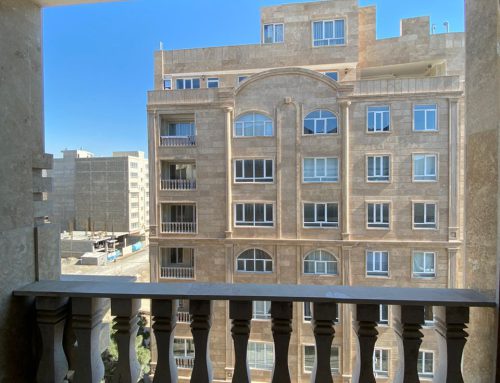
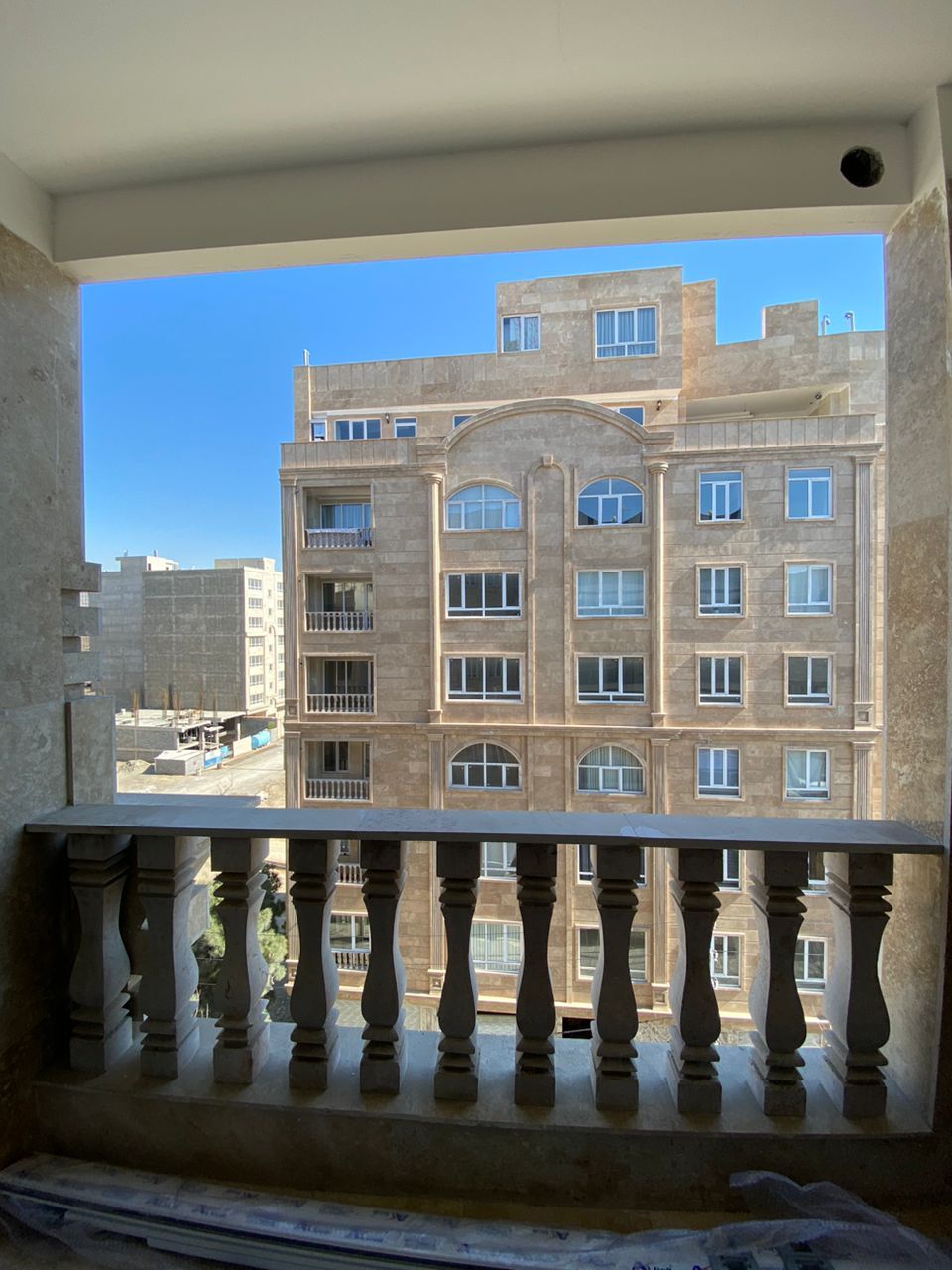
Architecture plan glass facade

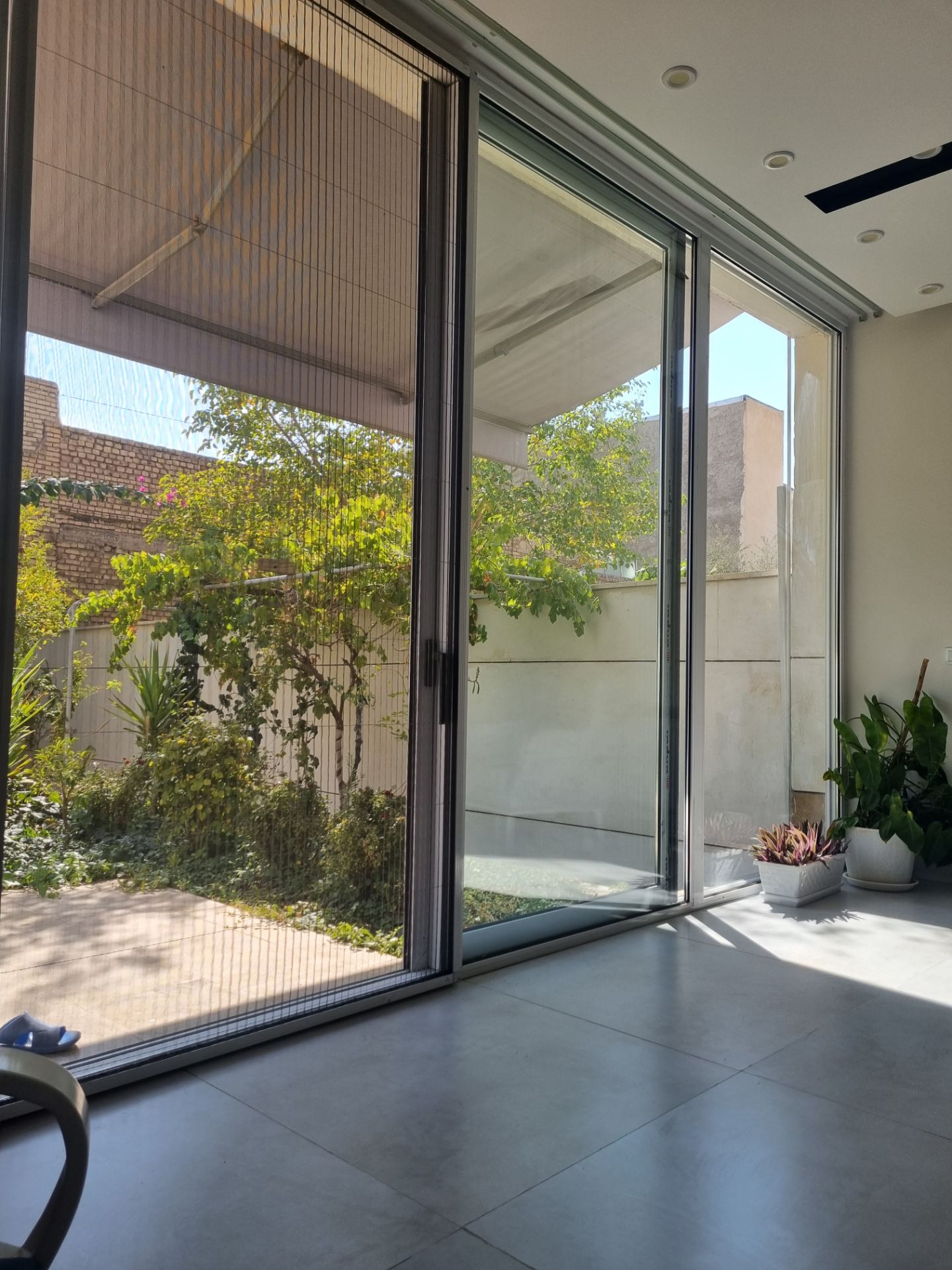
Glass facades have become a prominent feature of modern architecture in recent years. They are used extensively in commercial and residential buildings as they provide a number of benefits that traditional facades do not. Glass facades allow natural light to enter the building, provide unobstructed views of the surroundings, and give the building a modern and sleek appearance. However, designing a glass facade requires careful planning to ensure that the building is safe, energy-efficient, and aesthetically pleasing. In this article, we will discuss some of the key considerations when designing a glass facade for a building.
Structural Integrity
The first and most important consideration when designing a glass facade is the structural integrity of the building. Glass is a relatively heavy material and requires strong structural support.
The facade must be designed to withstand wind, rain, and other environmental factors that can put stress on the building. The structural support for the glass facade must be carefully planned and engineered to ensure that it can bear the weight of the glass and withstand any external forces that may act upon it.

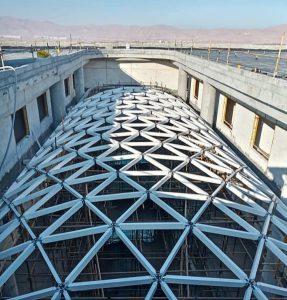
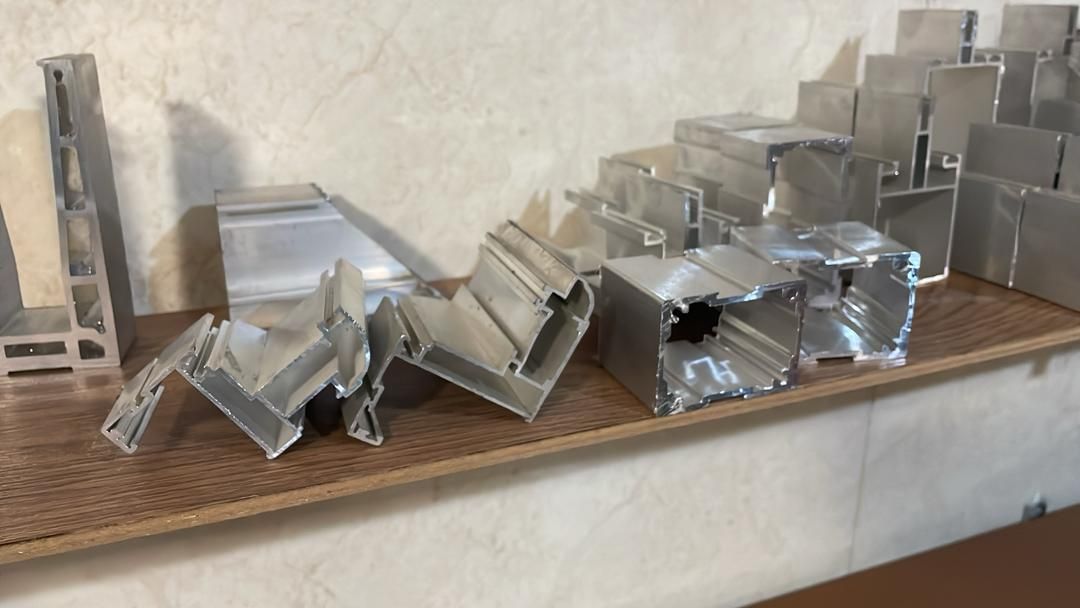
There are several different types of glass facades, each with its own unique structural requirements. One common type of glass facade is the point-supported facade. In this design, the glass panels are supported by steel or aluminum brackets that are bolted to the building’s structure. Another type of glass facade is the cable-supported facade, which uses stainless steel cables to support the glass panels. Both designs require careful planning and engineering to ensure that the facade is structurally sound.
Energy Efficiency
Another important consideration when designing a glass facade is energy efficiency. Glass is a poor insulator and can allow a lot of heat to escape from the building in cold weather and can allow heat to enter the building in hot weather. This can result in higher energy bills for heating and cooling the building, as well as increased carbon emissions.
To make a glass facade more energy-efficient, it is important to use high-performance glass that has a low thermal conductivity. Low-E glass, for example, has a special coating that reflects heat back into the building, reducing heat loss in the winter and heat gain in the summer. Another option is to use double or triple-pane glass, which creates an insulating air pocket between the panes of glass, reducing heat transfer.
In addition to using high-performance glass, it is important to design the glass facade to take advantage of natural light and solar heat gain. This can help to reduce the amount of energy needed to light and heat the building. One way to do this is to orient the glass facade towards the south to maximize solar heat gain in the winter, while shading the glass in the summer to prevent overheating.
Aesthetics
The aesthetics of the glass facade are also an important consideration when designing a building. The facade should complement the architecture of the building and enhance its overall appearance. Glass facades can be designed in a variety of colors and finishes to create different visual effects. For example, clear glass can create a sleek and modern appearance, while frosted or tinted glass can add privacy or reduce glare.
The size and shape of the glass panels can also affect the aesthetics of the facade. Large glass panels can create a dramatic effect and provide unobstructed views of the surrounding landscape, while smaller panels can create a more traditional and understated look.
It is also important to consider how the glass facade will interact with the surrounding environment. The building’s location, neighboring buildings, and natural surroundings should all be taken into account when designing the facade. The glass facade should be designed to complement the existing surroundings and create a harmonious relationship between the building and its environment.
Safety
Safety is another important consideration when designing a glass facade. Glass is a fragile material and can pose a risk to people and property if it is not properly installed and maintained. The glass facade should be designed to be safe for occupants and the public, as well as to withstand any potential impacts.
To ensure the safety of the glass facade, it is important to use tempered or laminated glass. Tempered glass is heat-treated to make it stronger and more resistant to breakage, while laminated glass has a layer of plastic sandwiched between two layers of glass, making it more resistant to impact and shattering. Both types of glass are designed to break into small, harmless pieces in the event of breakage, reducing the risk of injury.
The installation and maintenance of the glass facade are also important factors in ensuring its safety. The glass panels should be installed by experienced professionals who are trained in the proper installation techniques. Regular inspections and maintenance should be conducted to ensure that the glass panels are secure and in good condition.
Accessibility
Accessibility is another important consideration when designing a glass facade. The facade should be designed to be accessible to all occupants, including those with disabilities. This may require the installation of special features such as ramps, elevators, and automatic doors.
In addition, the glass facade should be designed to provide easy access for maintenance and cleaning. This may require the installation of access points such as catwalks or platforms, or the use of special cleaning equipment.
Conclusion
Designing a glass facade requires careful planning and consideration of a number of factors, including structural integrity, energy efficiency, aesthetics, safety, and accessibility. By taking these factors into account, architects and designers can create a glass facade that is both functional and visually appealing, while also being safe and energy-efficient. With proper planning, a glass facade can transform a building into a modern and iconic structure that enhances the surrounding environment and provides a comfortable and enjoyable experience for occupants and visitors alike.
Architecture plan glass facade
Architecture plan glass facade

Leave A Comment