
Aluminum Z-Profile

Introduction:
In the dynamic world of construction, where innovation and efficiency are paramount, materials play a crucial role in shaping the industry. Among the various materials that have gained prominence, aluminum stands out for its unique combination of strength, lightness, and corrosion resistance. One specific architectural element that showcases these qualities is the Aluminum Z-Profile. This versatile component has found its way into modern construction, offering a range of benefits and applications.
The Basics of Aluminum Z-Profiles:
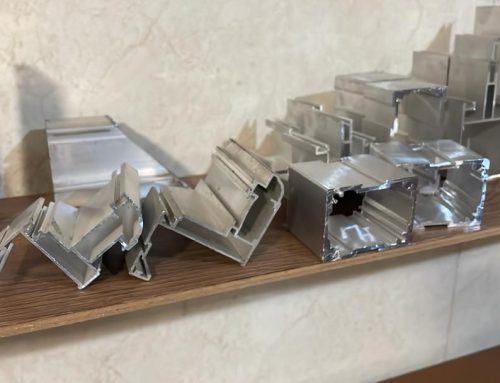
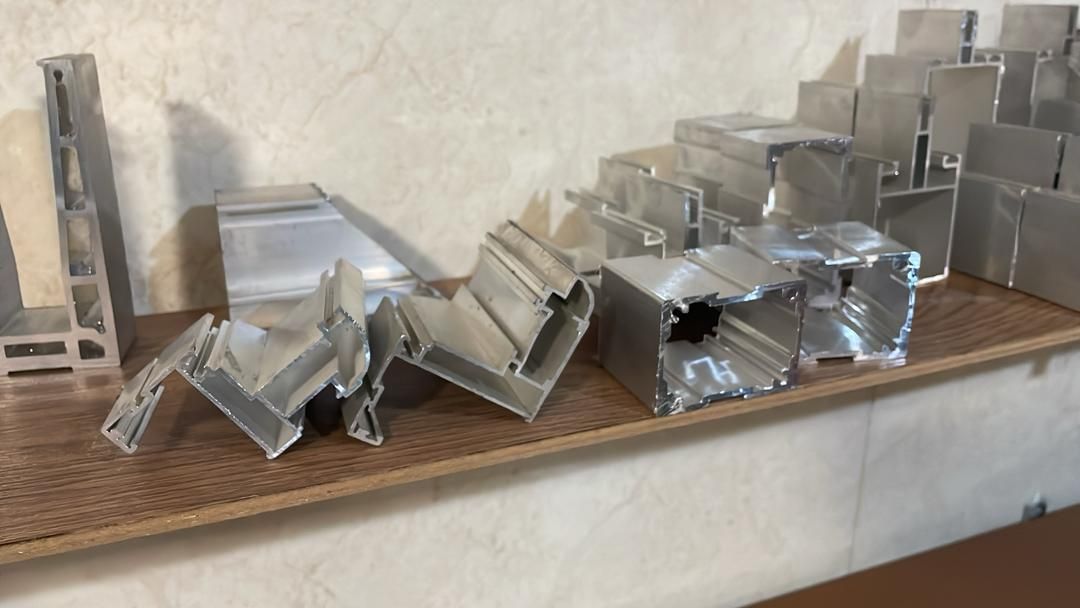
An Aluminum Z-Profile is a specialized extruded aluminum section with a distinctive Z-shaped cross-section. This design imparts strength and stability to the profile while maintaining a lightweight structure. Aluminum, as the primary material, provides excellent corrosion resistance, making it suitable for both indoor and outdoor applications.
Applications in Construction:
- Structural Framing: Aluminum Z-Profiles are commonly used in structural framing systems. Their unique shape allows for easy integration into various structural configurations, providing stability and support for buildings and other structures. The lightweight nature of aluminum contributes to simplified handling and installation processes.
- Curtain Wall Systems: Curtain wall systems, prevalent in modern architecture, benefit from the use of Aluminum Z-Profiles. These profiles can serve as mullions and transoms, providing the necessary support for curtain wall panels while maintaining an aesthetically pleasing and streamlined appearance.
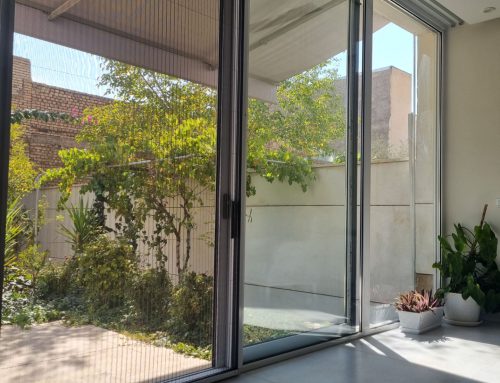
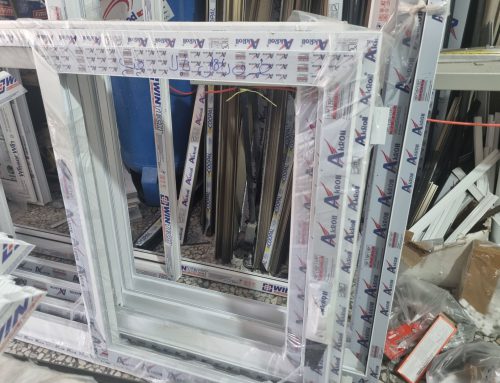
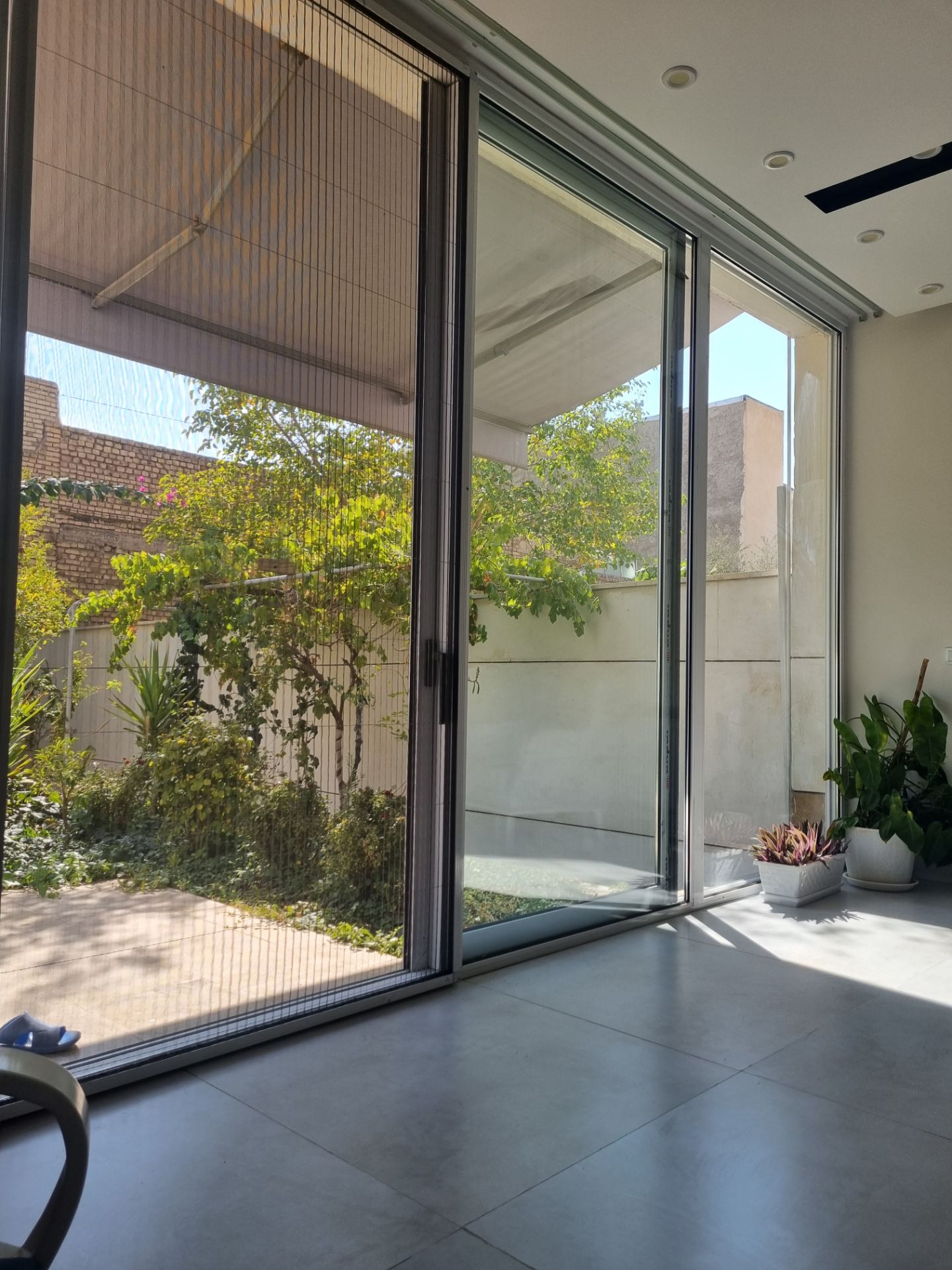
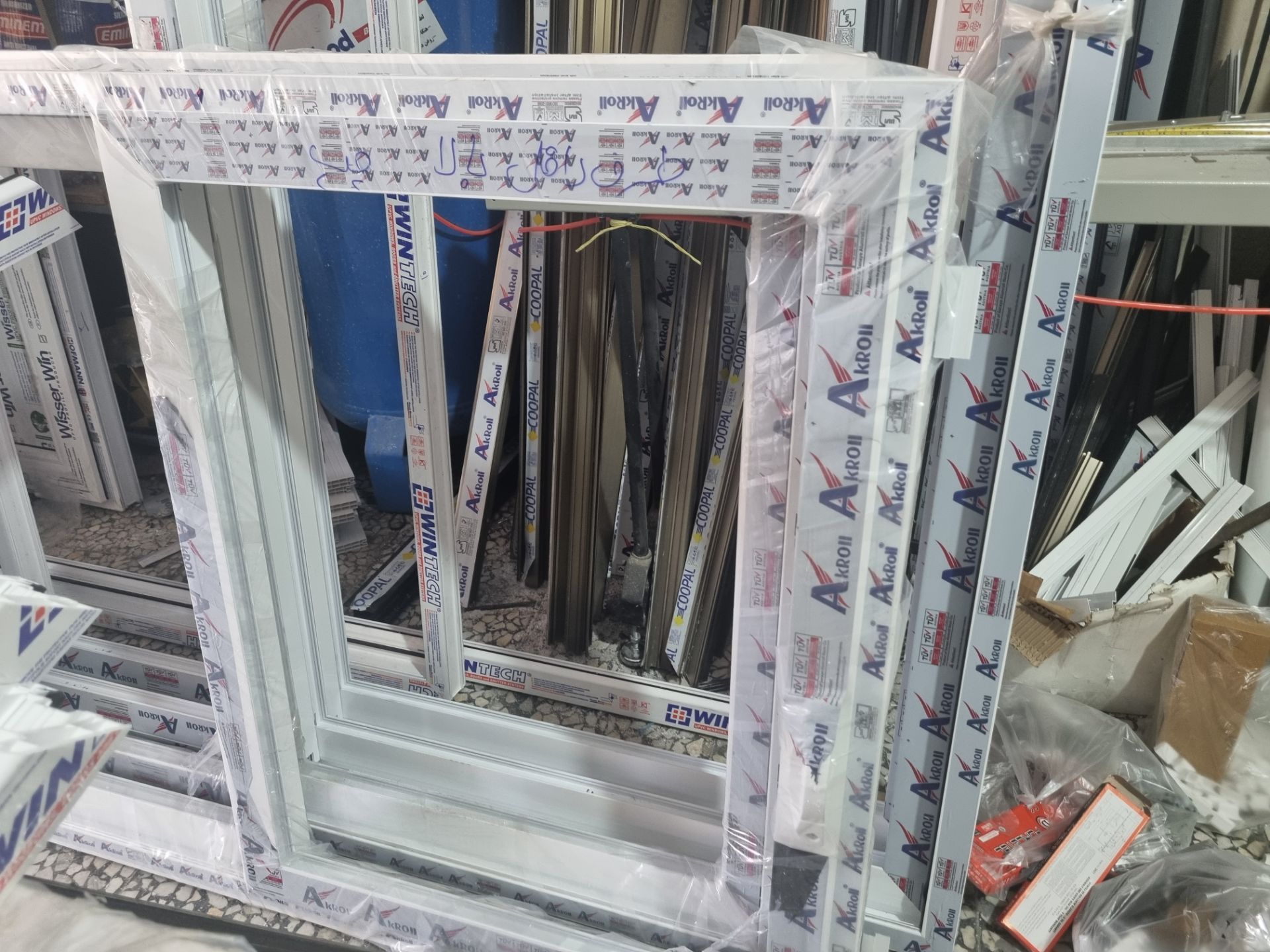
- Window and Door Frames: The extrudability of aluminum makes it an ideal material for intricate profiles required in window and door frames. Aluminum Z-Profiles are utilized to create durable and lightweight frames that contribute to energy efficiency through thermal breaks and insulation.
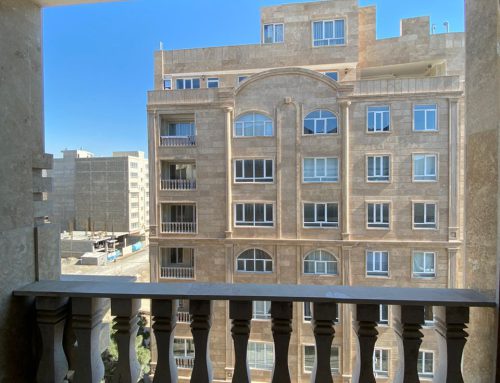
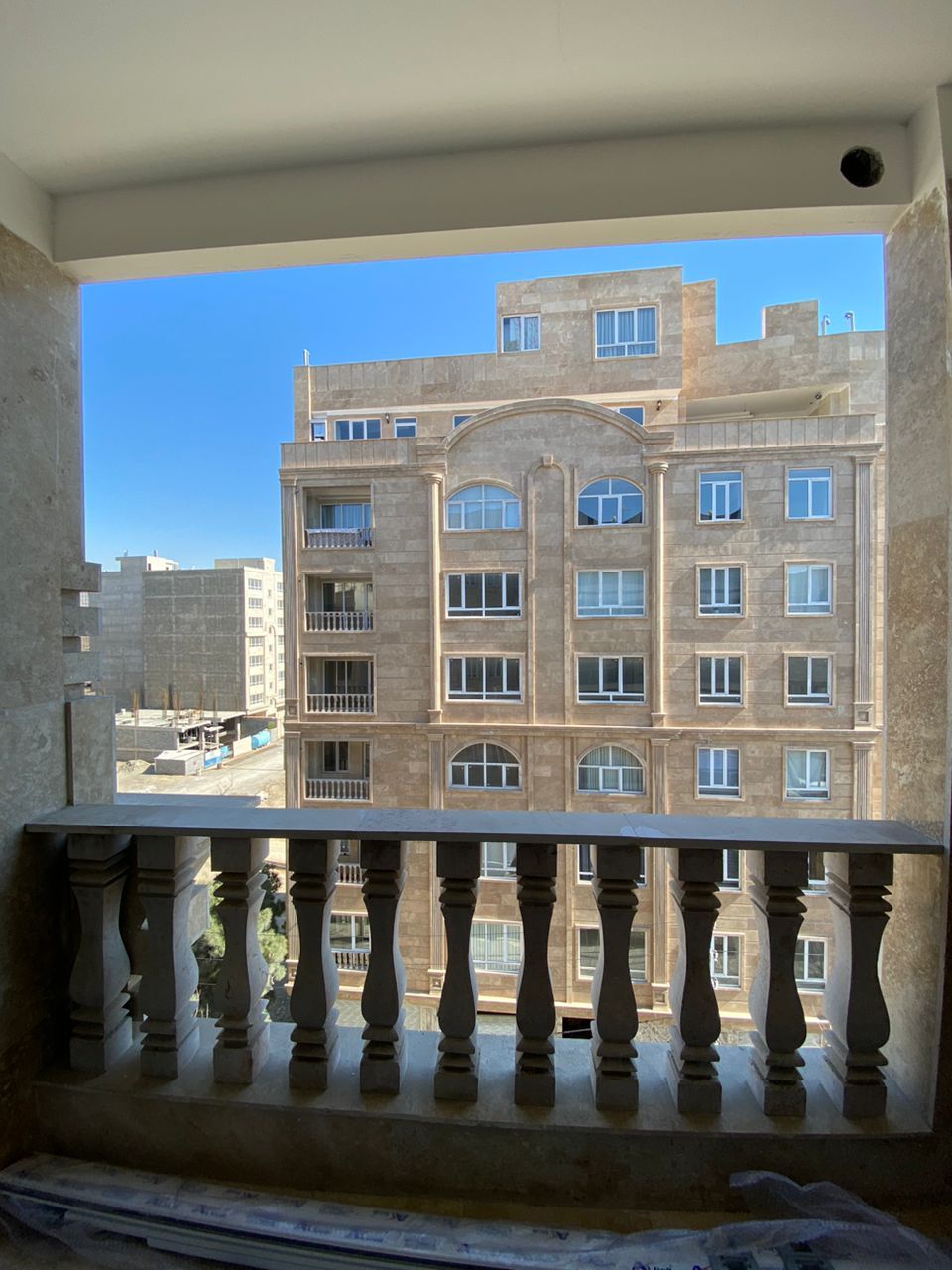
- Cladding and Façade Systems: The versatility of Aluminum Z-Profiles extends to cladding and façade systems. These profiles can be integrated into innovative designs, creating visually appealing exteriors while offering durability against environmental elements.
Advantages of Aluminum Z-Profiles:
- Lightweight Construction: Aluminum Z-Profiles contribute to lightweight construction, reducing the overall weight of structures. This not only simplifies the construction process but also allows for cost savings in terms of transportation and installation.
- Corrosion Resistance: Aluminum’s inherent corrosion resistance ensures the longevity of structures, especially in outdoor applications. This characteristic makes it a preferred choice for projects where exposure to harsh weather conditions is a concern.
- Design Flexibility: The extrusion process allows for the creation of complex and customizable profiles. This design flexibility enables architects and builders to realize innovative and aesthetically pleasing structures.
- Sustainability: Aluminum is a highly recyclable material, and its recyclability is a significant factor in sustainable construction practices. Choosing Aluminum Z-Profiles contributes to the overall eco-friendliness of a construction project.
- Ease of Maintenance: Aluminum Z-Profiles require minimal maintenance, making them an attractive choice for building owners. The material’s resistance to corrosion means that structures maintain their integrity over time, reducing the need for frequent repairs or replacements. This not only saves costs in the long run but also contributes to the overall sustainability of the project.
- Cost-Effectiveness: The cost-effectiveness of Aluminum Z-Profiles extends beyond the initial construction phase. Their lightweight nature reduces transportation costs, and the ease of fabrication and installation can result in lower labor expenses. When considering the long-term benefits such as low maintenance requirements and durability, the overall cost-effectiveness becomes even more evident.
- Thermal Performance: Aluminum Z-Profiles can be designed to include thermal breaks, enhancing their thermal performance. This is particularly important in window and door frames, where effective insulation can contribute to energy efficiency and reduced heating or cooling costs.
- Fire Resistance: Aluminum is inherently fire-resistant, and Aluminum Z-Profiles maintain this quality. This makes them a suitable choice for applications where fire safety is a primary concern, adding an extra layer of protection to buildings and structures.
Challenges and Considerations:
While Aluminum Z-Profiles offer numerous advantages, it is essential to acknowledge certain challenges and considerations. One notable aspect is the potential for galvanic corrosion when aluminum comes into contact with certain dissimilar metals. Proper engineering and design practices, such as the use of insulating materials or coatings, can mitigate this risk. Additionally, the initial cost of aluminum may be higher than some alternative materials, but the long-term benefits often outweigh this initial investment.
Future Trends and Innovations:
The construction industry is dynamic, constantly evolving to meet the demands of sustainable and technologically advanced structures. As we look to the future, innovations in material science and construction technology may further enhance the properties of Aluminum Z-Profiles. Research and development efforts may focus on optimizing the material for increased strength-to-weight ratios, improved thermal performance, and enhanced recyclability.
Global Impact:
The use of Aluminum Z-Profiles also contributes to global efforts to reduce the carbon footprint of the construction industry. Aluminum’s recyclability aligns with the principles of circular economy practices, where materials are reused and recycled, minimizing waste and environmental impact. By choosing materials with low environmental impact, the construction industry can play a crucial role in promoting sustainable practices on a global scale.
Case Studies:
Examining real-world applications of Aluminum Z-Profiles provides valuable insights into their performance and versatility. Case studies showcasing successful projects utilizing these profiles can highlight their effectiveness in various construction scenarios. Whether it’s a cutting-edge office building, a residential complex, or an industrial facility, the adaptability of Aluminum Z-Profiles shines through in diverse architectural contexts.
Industry Standards and Regulations:
As the popularity of Aluminum Z-Profiles continues to grow, industry standards and regulations evolve to ensure the safety, quality, and sustainability of construction projects. Architects, builders, and manufacturers must stay informed about relevant standards and codes governing the use of aluminum profiles to ensure compliance and uphold the integrity of structures.
Collaboration and Knowledge Sharing:
The construction industry thrives on collaboration and knowledge sharing. Architects, engineers, and manufacturers must continue to collaborate to refine designs, share best practices, and address challenges related to the use of Aluminum Z-Profiles. This collaborative approach fosters innovation and drives the industry toward more efficient and sustainable construction practices.
Educational Initiatives:
Educational initiatives play a crucial role in disseminating knowledge about the benefits and applications of Aluminum Z-Profiles. Institutions, industry associations, and manufacturers can contribute to the education of architects, engineers, and construction professionals, ensuring that they are well-versed in the advantages and proper utilization of these profiles.
Conclusion:
The Aluminum Z-Profile has undoubtedly established itself as a key player in modern construction, offering a harmonious blend of strength, lightweight design, and corrosion resistance. As the construction industry continues to evolve, fueled by technological advancements and a growing emphasis on sustainability, the Aluminum Z-Profile is poised to remain at the forefront of innovative architectural solutions.
In the coming years, we can anticipate further refinements in design, manufacturing processes, and applications of Aluminum Z-Profiles. With ongoing research and development, these profiles will likely continue to set new benchmarks for efficiency, environmental impact, and design possibilities in construction projects.
In essence, the Aluminum Z-Profile represents not just a building component but a symbol of the construction industry’s commitment to progress, sustainability, and pushing the boundaries of what is achievable in the built environment. As we navigate the challenges and opportunities that lie ahead, Aluminum Z-Profiles stand as a testament to the resilience and adaptability of the construction industry in the face of change.

Leave A Comment