
Aluminum Profiles for Retractable Glass Roofs: Types, Benefits, and Applications
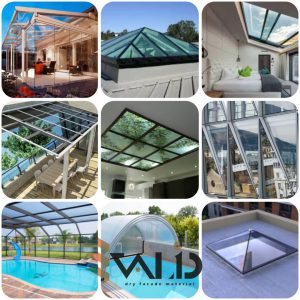
Introduction
Aluminum Profiles for Retractable Glass Roofs: Types, Benefits, and Applications Retractable glass roofs are becoming increasingly popular in modern architecture, offering flexibility, natural light, and a luxurious aesthetic. One of the most critical components of these roofs is the aluminum profile. The profile serves as the structural backbone, supporting glass panels while ensuring smooth movement and long-term durability. Selecting the right aluminum profile is essential for both performance and visual appeal.
Why Aluminum is Preferred
Aluminum is the material of choice for retractable glass roof profiles due to several advantages:
- Lightweight: Aluminum is lighter than steel, which reduces the load on the supporting structure and allows for larger spans without additional reinforcement.
- High Strength-to-Weight Ratio: Despite being lightweight, aluminum provides excellent structural strength, ensuring stability and safety.
- Corrosion Resistance: Aluminum naturally forms a protective oxide layer, making it resistant to weather, humidity, and poolside conditions.
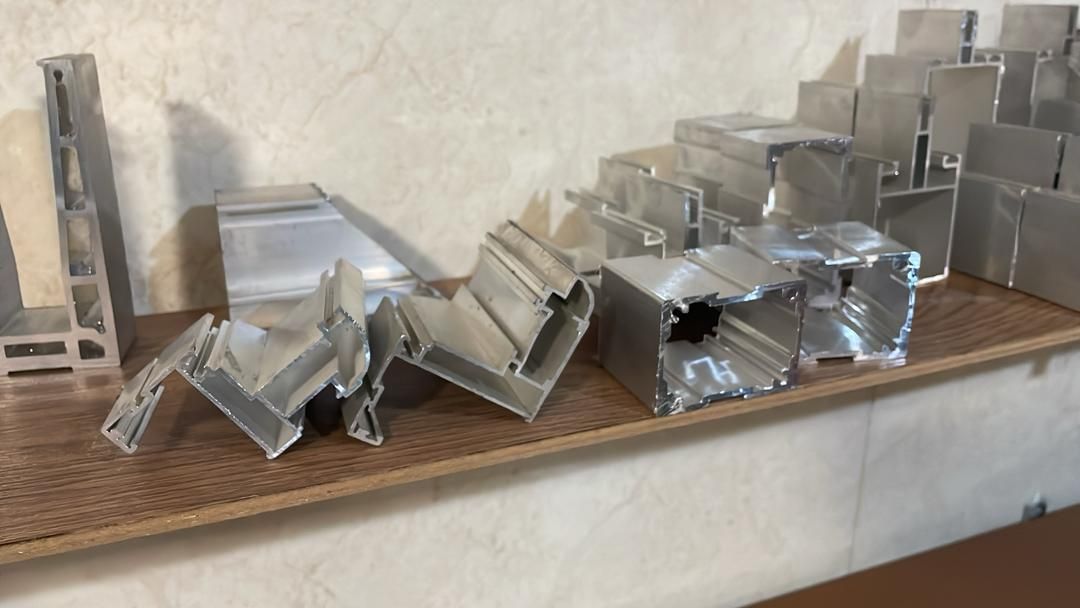
- Design Flexibility: Aluminum can be extruded into complex shapes, allowing for custom profiles that accommodate tracks, seals, and drainage systems.
- Longevity: With proper finishing, aluminum profiles can last decades without significant maintenance.
Types of Aluminum Profiles for Retractable Glass Roofs
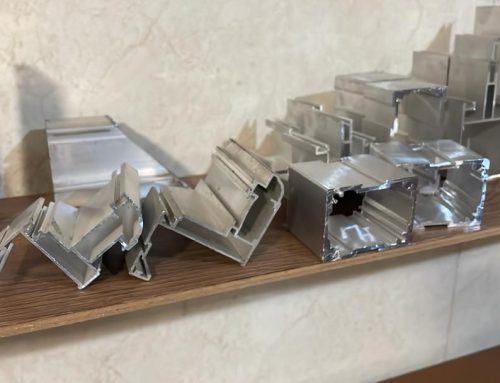
There are several types of aluminum profiles used in retractable glass roofs, each designed to meet specific requirements:
1. Main Structural Profiles
Main structural profiles are the primary load-bearing elements of a retractable roof. They are typically designed to support the weight of multiple glass panels while resisting bending and torsion. These profiles are often extruded with thicker walls for maximum strength. The design may include integrated channels for water drainage and insulation barriers to prevent heat loss.
2. Sliding Profiles
Sliding profiles guide the movement of glass panels along the tracks. Precision in design is critical to ensure smooth operation. These profiles may include Teflon or polymer inserts to reduce friction, and they are often paired with high-quality rollers or sliders. A well-designed sliding profile prevents sticking, squeaking, or misalignment during operation.
3. Frame Profiles
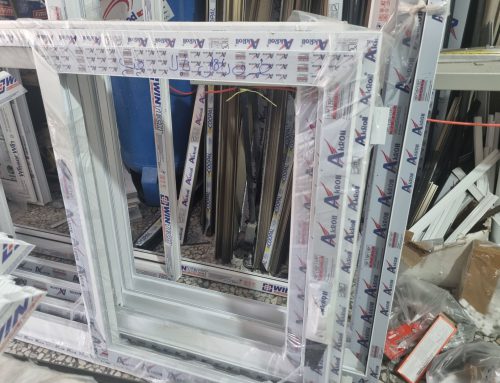
Frame profiles encase the perimeter of each glass panel, providing structural rigidity and a secure seal. These profiles typically feature channels for rubber gaskets or weather seals to ensure water-tightness. Frames may be designed for single, double, or triple-glass layers, depending on insulation requirements. Aesthetic finishes like powder coating or anodizing can enhance the visual appeal of frame profiles.
4. Track Profiles
Track profiles form the base along which sliding glass panels move. They must be engineered to withstand repeated cycles of opening and closing while supporting the full weight of the glass. Reinforced aluminum sections with smooth grooves and drainage channels are common. Track profiles are often designed to minimize water pooling and prevent debris accumulation.
5. Connector and Joint Profiles
Connector profiles link multiple sections of the roof and allow for expansion, contraction, and modular assembly. Joint profiles also accommodate angular adjustments in roof design, making it possible to create sloped or segmented retractable roofs. These profiles must maintain structural integrity while providing seamless alignment between panels.
Benefits of High-Quality Aluminum Profiles
Using premium aluminum profiles enhances the overall functionality and longevity of retractable glass roofs:
- Durability: Resistance to corrosion and mechanical stress ensures long-lasting performance.
- Weather Resistance: Aluminum profiles withstand rain, UV radiation, wind, and humidity.
- Smooth Operation: Well-engineered profiles reduce friction and provide effortless movement of glass panels.
- Thermal Efficiency: Profiles can be designed with thermal breaks to prevent heat loss and improve energy efficiency.
- Aesthetic Versatility: Aluminum can be finished in various colors and textures to match architectural styles.
Applications of Aluminum Profiles in Retractable Roofs
Aluminum profiles are not limited to residential applications. Their versatility allows for use in a variety of environments:
- Residential Homes: Enhancing terraces, patios, and private swimming pools.
- Hotels and Resorts: Creating retractable skylights and pool covers for luxury spaces.
- Restaurants and Cafes: Providing flexible outdoor seating areas that can adapt to weather conditions.
- Commercial Buildings: Installing retractable atriums or rooftop glazing for offices and malls.
Design Considerations for Aluminum Profiles
When selecting aluminum profiles for retractable glass roofs, designers and architects must consider several factors:
- Load-Bearing Capacity: Profiles must support glass weight and withstand wind and snow loads.
- Compatibility with Glass Thickness: Profiles must match the chosen glass type, whether single, double, or laminated.
- Thermal Insulation: For energy-efficient designs, thermal breaks and insulation gaskets should be integrated.
- Ease of Installation: Modular and pre-fabricated profiles simplify installation and reduce construction time.
- Maintenance Requirements: Profiles should be designed for minimal maintenance while ensuring long-term performance.
Innovations in Aluminum Profile Design
Recent technological advancements have further improved the performance of aluminum profiles:
- Integrated Drainage Channels: Built-in channels allow water to flow away efficiently, preventing leaks.
- Hybrid Materials: Some profiles combine aluminum with polymer inserts to reduce thermal conductivity.
- Pre-Finished Coatings: Powder coating and anodizing provide aesthetic options and additional corrosion resistance.
- Lightweight Reinforced Sections: Optimized extrusions reduce weight without sacrificing strength, allowing larger retractable panels.
Maintenance and Longevity
Aluminum profiles require minimal maintenance compared to other materials. Occasional cleaning to remove dust, leaves, and debris, along with checking rollers, tracks, and gaskets, is usually sufficient. Properly maintained profiles can last decades, making them a cost-effective solution for long-term projects.
Conclusion
Aluminum profiles are the backbone of retractable glass roofs, providing structural strength, smooth operation, and aesthetic appeal. Selecting the right type of profile—whether main structural, sliding, frame, track, or connector—is crucial for durability, safety, and performance. With the combination of modern design, advanced engineering, and corrosion-resistant aluminum, retractable glass roofs offer a sophisticated and practical solution for residential, commercial, and recreational spaces.

Leave A Comment