
Aluminum Profile Exports Worldwide: Opportunities and Strategies

Introduction to Aluminum Profiles
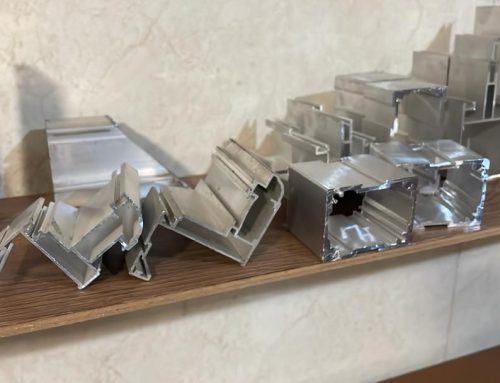
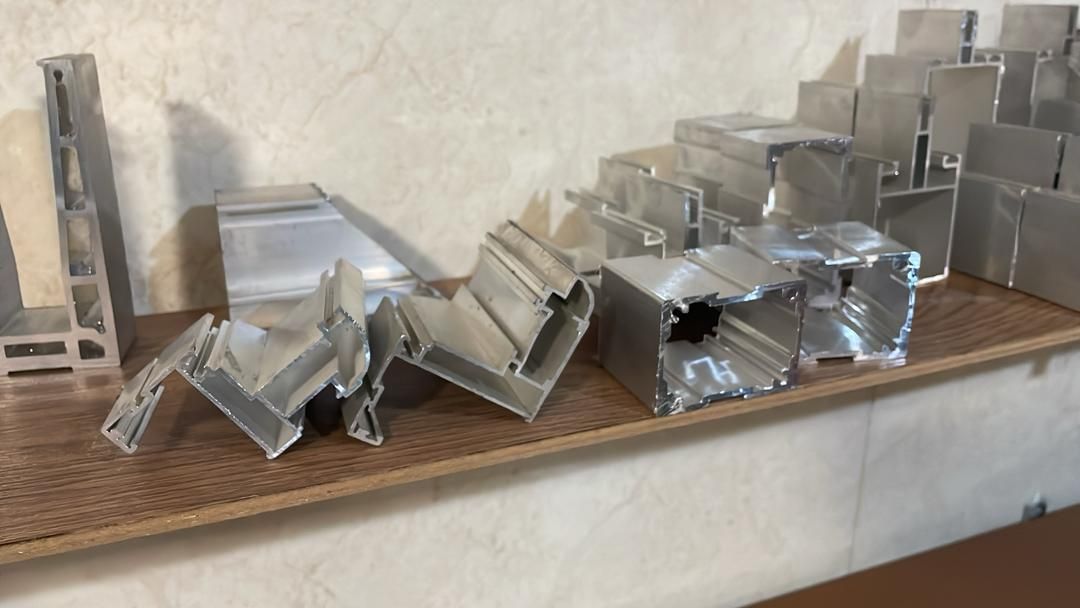
Aluminum profiles are versatile building and industrial materials used in construction, transportation, electronics, and many other sectors. They come in various shapes and sizes, including square, rectangular, L-shaped, T-shaped, and custom extrusions. With the increasing global demand for lightweight, durable, and corrosion-resistant materials, aluminum profiles have become essential in both domestic and international markets. Understanding the potential for exporting these products can open new revenue streams and strengthen business growth.
Key Types of Aluminum Profiles
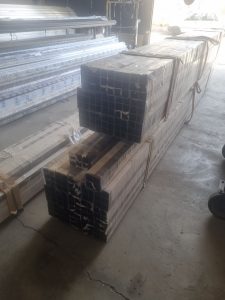
When selling aluminum profiles globally, it is crucial to know the different types and their applications. The main categories include:
- Standard Extrusions: Commonly used in windows, doors, and furniture frames.
- Specialty Profiles: Custom shapes designed for industrial machinery, transportation vehicles, and electronic housings.
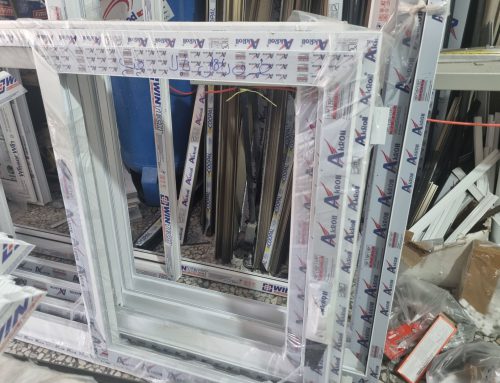
- Thermal Break Profiles: Profiles with insulation layers, widely used in energy-efficient windows and curtain walls.
- Structural Profiles: Heavy-duty profiles for construction and industrial frameworks.
- Decorative Profiles: Lightweight and stylish designs for interior and exterior applications.
Global Demand Trends

The global market for aluminum profiles is expanding steadily. Countries in Europe, North America, and Asia are investing in infrastructure projects, green building initiatives, and industrial automation. The demand for high-quality, precision-engineered profiles is particularly strong in:
- Construction and real estate projects.
- Automotive and aerospace industries.
- Electronics and energy-efficient equipment.
- Furniture and interior design applications.
Exporters should focus on these sectors when planning market entry strategies.
Benefits of Exporting Aluminum Profiles
Expanding into international markets offers several advantages:
- Increased Revenue: Accessing foreign markets often allows higher pricing and larger orders.
- Diversification: Reduces dependence on local markets and spreads business risk.
- Brand Recognition: International presence enhances the company’s credibility and reputation.
- Long-Term Contracts: Many overseas clients prefer long-term agreements for consistent supply, providing stability.
Challenges in Global Export
Despite the benefits, exporting aluminum profiles comes with challenges:
- Regulatory Compliance: Each country has specific standards for material quality, certifications, and safety.
- Logistics and Shipping: Aluminum profiles can be bulky and require careful packaging to prevent damage during transit.
- Market Competition: Competing with established global suppliers requires competitive pricing, quality assurance, and timely delivery.
- Currency Fluctuations: Changes in exchange rates can affect profit margins.
Strategies for Successful Export
1. Market Research
Understanding the target market is critical. Study local regulations, customer preferences, and existing suppliers. Identify countries with high demand for aluminum profiles and fewer local manufacturers.
2. Quality Certification
International clients prioritize certified products. Obtaining ISO certifications, EN standards, or regional approvals increases credibility and facilitates entry into strict markets like the EU, North America, and Japan.
3. Packaging and Transportation
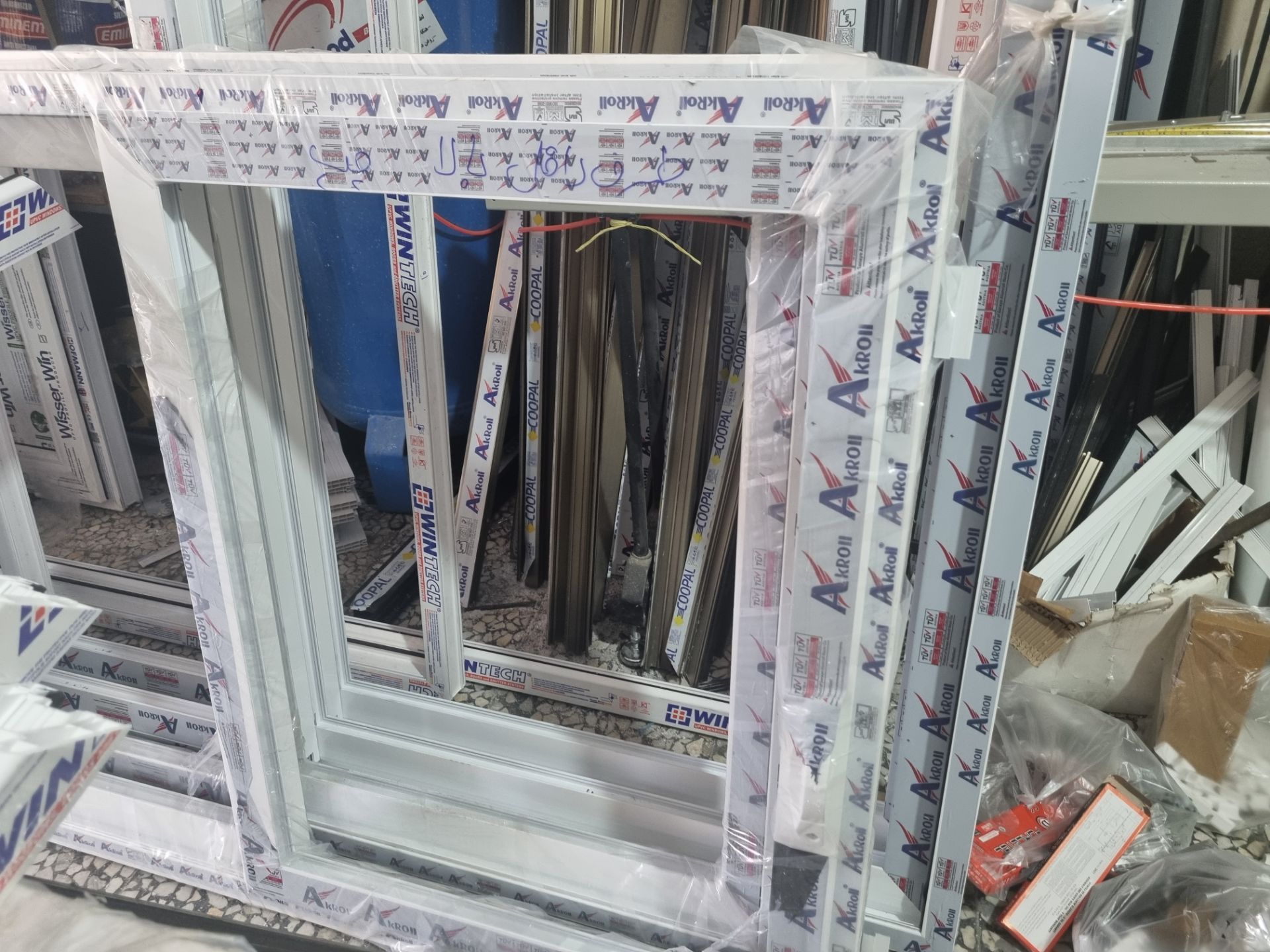
Aluminum profiles must be packaged to avoid scratches, bending, and corrosion during shipping. Using protective films, wooden crates, and secure stacking ensures products reach the destination in excellent condition.
4. Competitive Pricing
Price is often a deciding factor for international buyers. Factor in production costs, export taxes, shipping, and currency fluctuations. Offering bulk discounts and favorable payment terms can attract large buyers.
5. Local Partnerships
Working with local distributors or agents can simplify market entry. Local partners understand market dynamics, customs procedures, and customer expectations, enabling smoother operations.
Exporting to Different Regions
Each region has unique characteristics and requirements:
- Europe: High demand for thermal break and energy-efficient profiles. Certifications and environmental compliance are crucial.
- North America: Focus on construction, automotive, and industrial applications. Strong emphasis on quality and long-term contracts.
- Asia: Growing infrastructure and industrial sectors drive demand. Competitive pricing is essential.
- Middle East: Hot climates increase demand for thermal-insulated profiles. Large-scale construction projects create opportunities.
- Africa and Latin America: Emerging markets with growing construction and industrial sectors. Flexibility and adaptability are key.
Marketing Aluminum Profiles Globally
Effective marketing strategies include:
- Participating in international trade shows and exhibitions.
- Maintaining an optimized website with product catalogs and technical details.
- Utilizing social media and B2B platforms for lead generation.
- Providing detailed case studies, references, and testimonials.
- Offering technical support and consultation for custom solutions.
Packaging, Shipping, and Logistics
Proper logistics planning ensures timely delivery and prevents product damage. Consider:
- Choosing reliable freight forwarders with experience in handling long aluminum profiles.
- Optimizing container space to reduce shipping costs.
- Using anti-corrosion materials, cushioning, and strapping during transport.
- Ensuring customs documentation is complete to avoid delays at borders.
Customer Relationship Management
Building trust with international clients is essential. Regular communication, transparency in pricing, and quick response to inquiries improve client retention. Offering after-sales support and technical guidance adds value and strengthens long-term partnerships.
Future Trends in Aluminum Profile Exports
The aluminum profile market continues to grow due to sustainable construction practices and technological advancements. Key trends include:
- Increased demand for thermal break and energy-efficient profiles.
- Integration with smart building solutions.
- Growing use in electric vehicles and lightweight transportation.
- Expansion into emerging markets with infrastructure development.
Exporters who adapt to these trends and invest in innovation will maintain a competitive edge.
Conclusion
Exporting aluminum profiles to global markets offers significant growth opportunities. Understanding the types of profiles, regional demands, certification requirements, and logistics challenges is crucial for success. By implementing strategic marketing, maintaining high-quality standards, and building strong customer relationships, businesses can expand their international footprint and increase profitability. With the right approach, aluminum profile exports can become a sustainable and lucrative part of a company’s global operations.





Leave A Comment