
aluminum profile design powder coating line
Introduction:
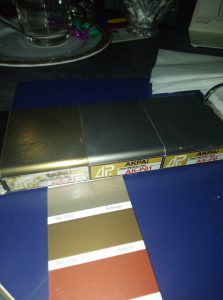
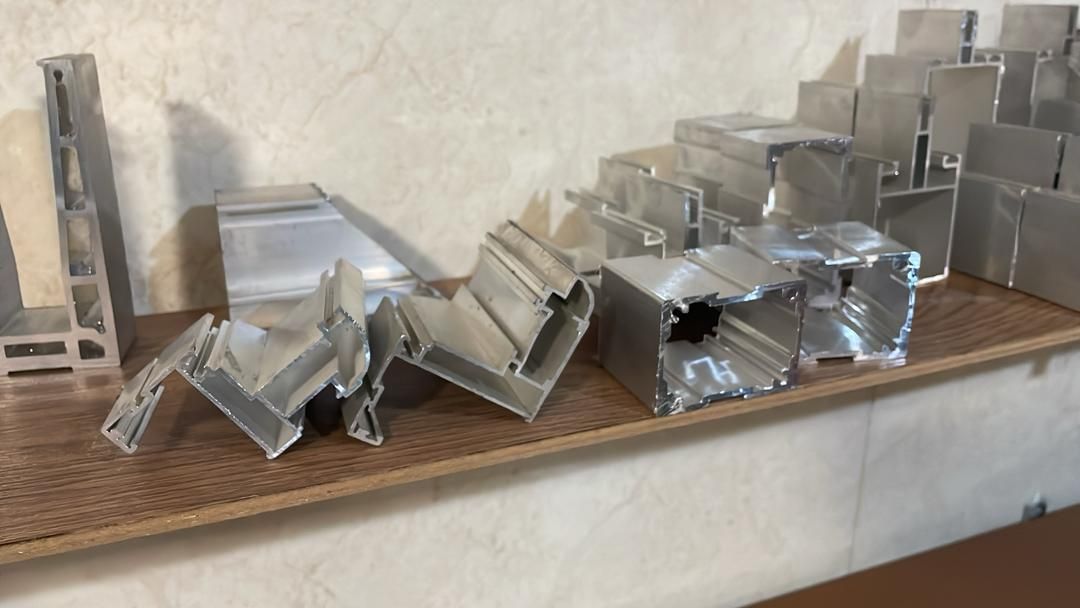
aluminum profile design powder coating line,Aluminum profiles are widely used in various industries due to their lightweight, durability, and corrosion-resistant properties. To enhance their appearance, protect against environmental factors, and improve overall performance, powder coating has become a popular finishing option. Designing an efficient powder coating line specifically tailored to aluminum profile requirements is essential for achieving optimal results. In this article, we will explore the key considerations and best practices for designing a powder coating line for aluminum profiles.
-
Pre-treatment Stage:
The pre-treatment stage is crucial in preparing aluminum profiles for the powder coating process. It involves thorough cleaning, surface etching, and the application of a conversion coating to enhance adhesion. The design of the pre-treatment stage should ensure efficient handling, proper chemical application, and consistent coating quality. Conveyor systems, dipping tanks, and spray booths need to be appropriately sized and positioned to accommodate the aluminum profiles while minimizing manual intervention.
-
Powder Application System:
The powder application system is responsible for applying the powder coating material evenly onto the aluminum profiles. It consists of powder delivery equipment, such as spray guns or electrostatic applicators, and a recovery system to collect excess powder for reuse. Design considerations should focus on optimizing powder coverage, minimizing overspray, and ensuring consistent film thickness. The use of electrostatic systems can enhance the efficiency of powder deposition, reducing waste and improving the final coating quality.
-
Curing and Drying Stage:
After the powder is applied, the aluminum profiles need to be cured and dried to achieve the desired finish. The curing process involves exposing the coated profiles to elevated temperatures to melt and fuse the powder particles, forming a smooth, durable coating. The design of the curing oven should prioritize temperature control, airflow management, and sufficient dwell time to ensure proper curing while avoiding overheating or undercuring. Adequate ventilation and exhaust systems are also crucial to remove any volatile organic compounds (VOCs) emitted during the curing process.
-
Inspection and Quality Control:
An effective powder coating line for aluminum profiles should include inspection and quality control measures at various stages. Automated or manual inspection stations should be incorporated to identify any coating defects, such as uneven coverage, pinholes, or adhesion issues. Integration of sensors, cameras, or X-ray systems can aid in real-time monitoring and quality assurance. Any identified defects should be addressed promptly to minimize rework or scrap.
-
Environmental Considerations:
Designing an environmentally friendly powder coating line is essential to ensure compliance with environmental regulations and minimize ecological impact. Implementing efficient powder recovery systems can reduce waste and improve overall sustainability. Additionally, incorporating energy-efficient equipment, such as ovens with optimized insulation and heat recovery systems, can help minimize energy consumption.
-
Automation and Process Integration:
To further enhance efficiency and productivity, the integration of automation technology is crucial in the design of a powder coating line for aluminum profiles. Automated conveyor systems, robotic arms, and material handling equipment can streamline the movement of profiles throughout the coating process, reducing manual labor and minimizing the risk of errors or damage. Integration with computerized process control systems allows for seamless coordination of various stages, optimizing workflow and minimizing downtime between processes.
-
Flexibility and Scalability:
A well-designed powder coating line should also account for flexibility and scalability to accommodate varying production needs and future growth. The line should be easily adjustable to handle different profile sizes, shapes, and coating requirements. Modular design concepts can facilitate quick reconfiguration or expansion of the line to adapt to changing market demands. Additionally, incorporating intelligent scheduling and planning systems can help optimize production throughput and minimize lead times.
-
Operator Safety and Ergonomics:
The safety and well-being of operators working on the powder coating line should be a top priority in the design process. Adequate safety measures, such as proper ventilation, personal protective equipment (PPE), and ergonomic workstations, should be incorporated to ensure a safe working environment. Equipment accessibility and ease of maintenance should also be considered to facilitate regular cleaning, troubleshooting, and equipment upkeep.
-
Continuous Improvement and Data Analysis:
To achieve long-term success, continuous improvement and data analysis play a crucial role in optimizing the performance of a powder coating line. Implementing data collection systems and analyzing key performance indicators (KPIs) can provide valuable insights into process efficiency, quality control, and overall line performance. This data-driven approach enables manufacturers to identify bottlenecks, optimize coating parameters, and implement process improvements to enhance productivity and product quality.
-
Collaboration and Expertise:
Designing a powder coating line for aluminum profiles requires expertise and collaboration among various stakeholders, including coating suppliers, equipment manufacturers, and process engineers. Engaging with experienced professionals and seeking their guidance can help ensure that the line design meets industry standards, regulatory requirements, and customer expectations. Collaboration also facilitates knowledge exchange and the adoption of best practices in powder coating technology.
Conclusion:
Designing an efficient and effective powder coating line for aluminum profiles involves careful consideration of pre-treatment, powder application, curing, quality control, automation, flexibility, and operator safety. By incorporating these key factors into the design process, manufacturers can achieve optimal coating results, improve productivity, ensure environmental compliance, and meet customer demands. A well-designed powder coating line tailored to the specific requirements of aluminum profiles sets the foundation for delivering high-quality, durable, and visually appealing products that satisfy industry standards and customer expectations.


Leave A Comment