
Aluminum flat bars

Introduction:
Aluminum flat bars are a versatile and indispensable component in the realm of construction and manufacturing. Renowned for their lightweight yet robust nature, these bars play a pivotal role in various industries, offering a myriad of applications. From aerospace engineering to architectural design, aluminum flat bars have become an essential material due to their unique combination of properties. In this article, we will delve into the characteristics, uses, and advantages of aluminum flat bars.
Properties of Aluminium Flat Bars:
- Lightweight: One of the most distinctive features of aluminum is its low density, making aluminum flat bars significantly lighter than their steel counterparts. This characteristic is particularly advantageous in industries where weight is a critical factor, such as aerospace and automotive manufacturing.
- Corrosion Resistance: Aluminum possesses a natural oxide layer that provides excellent corrosion resistance. This property makes aluminum flat bars ideal for outdoor applications, as they can withstand exposure to harsh weather conditions without rusting or deteriorating.
- Malleability and Formability: Aluminum is highly malleable, allowing it to be easily shaped and formed into various profiles, including flat bars. This versatility in shaping makes aluminum flat bars suitable for a wide range of applications, from intricate architectural designs to complex machinery components.
- Conductivity: Aluminum is an excellent conductor of electricity, making aluminum flat bars popular in electrical and electronic applications. They are widely used in the construction of electrical panels, busbars, and other components where electrical conductivity is crucial.
- Recyclability: Aluminum is a highly sustainable material as it is fully recyclable without losing its inherent properties. The recycling process requires only a fraction of the energy compared to the production of primary aluminum, contributing to the overall sustainability of construction practices.
Applications of Aluminium Flat Bars:
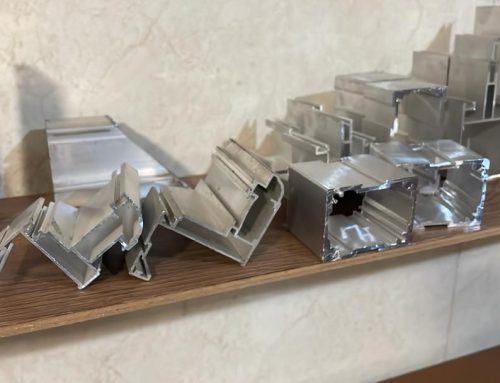
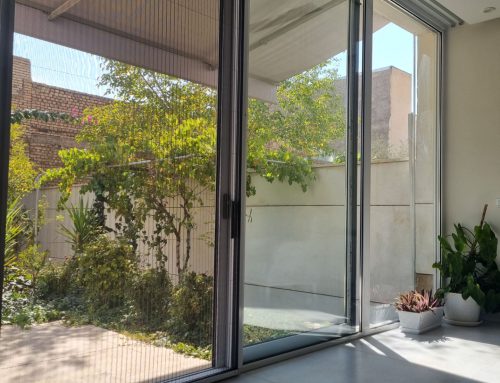
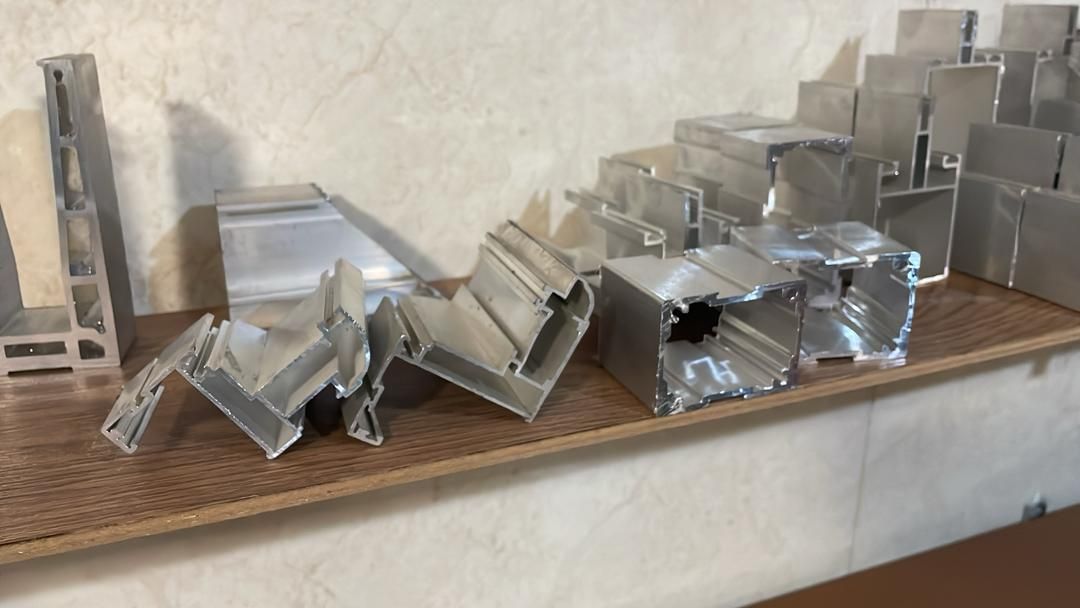
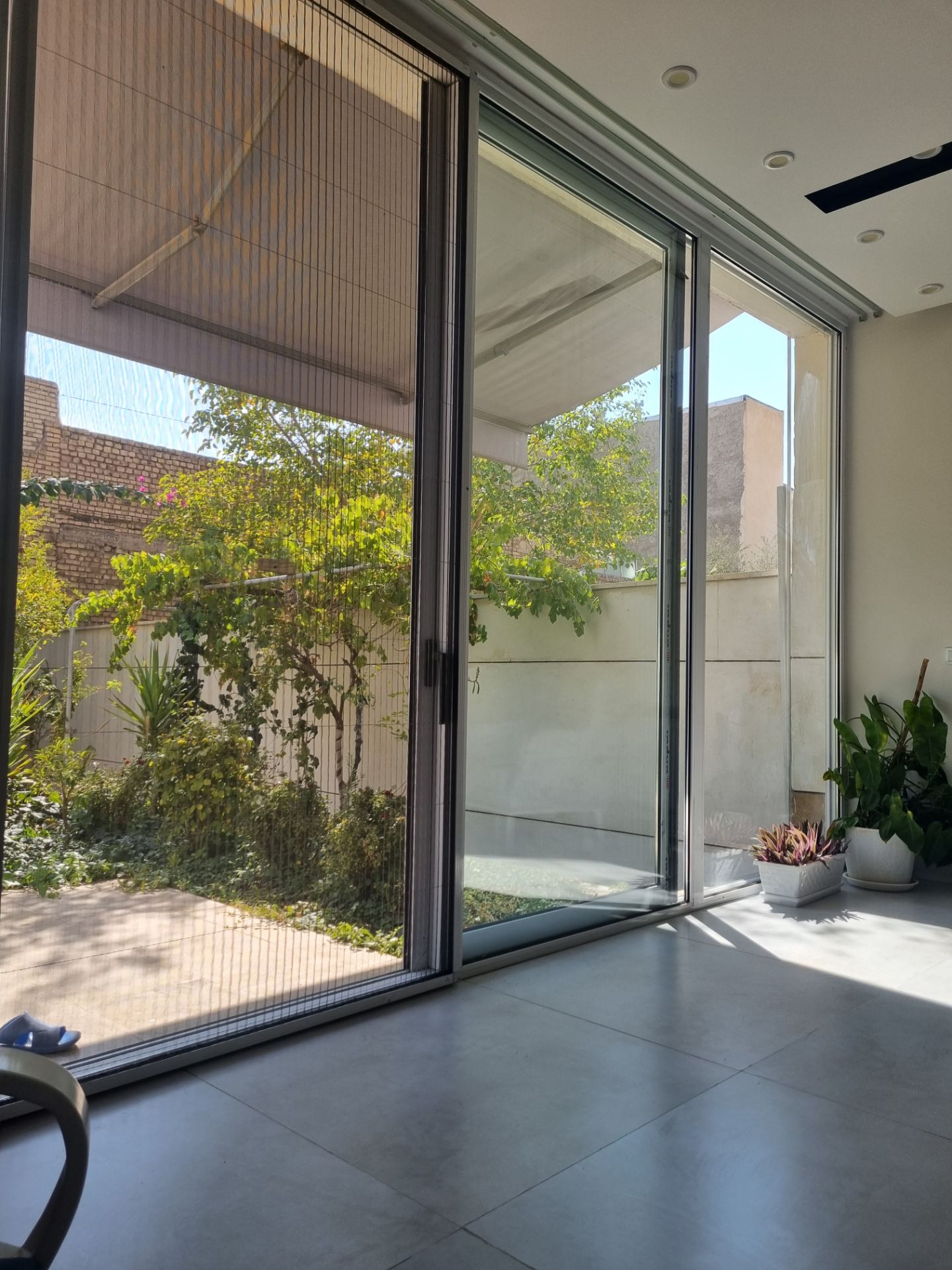
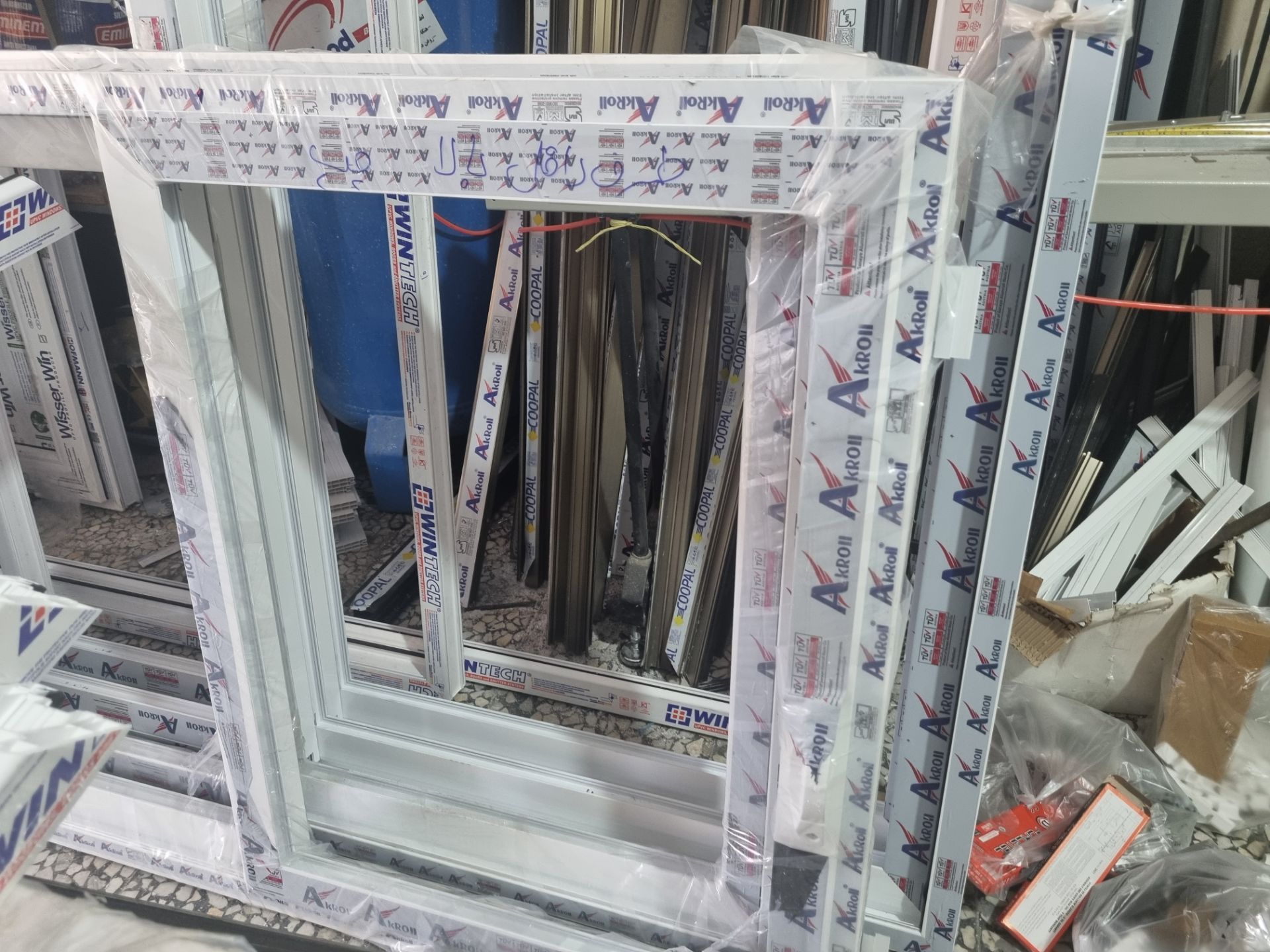
- Architectural Design: Aluminium flat bars find extensive use in architectural applications due to their aesthetic appeal, ease of fabrication, and corrosion resistance. They are employed in the construction of window frames, curtain walls, and decorative elements.
- Transportation Industry: In the automotive and aerospace sectors, where weight reduction is critical for fuel efficiency and performance, aluminum flat bars are used in the fabrication of structural components, chassis, and body panels.
- Manufacturing and Machinery: The malleability and formability of aluminum flat bars make them ideal for manufacturing processes. They are utilized in the construction of machine frames, conveyor systems, and various industrial components.
- Electrical Applications: Aluminium flat bars are widely used in the electrical industry for the fabrication of conductors, busbars, and electrical panels due to their excellent conductivity and lightweight nature.
Advantages of Aluminium Flat Bars:
- Weight Savings: The lightweight nature of aluminum flat bars contributes to reduced overall weight in structures and components, resulting in improved fuel efficiency and ease of handling.
- Low Maintenance: The corrosion-resistant properties of aluminum reduce the need for frequent maintenance, making it a cost-effective choice for outdoor and marine applications.
- Sustainability: Aluminum is a fully recyclable material, promoting sustainability in construction and manufacturing practices. The recycling process consumes less energy compared to primary aluminum production.
- Versatility: The malleability and formability of aluminum allow for diverse design possibilities, making it a versatile material for a wide range of applications.
- Cost-Effectiveness: While aluminum initially might seem more expensive than some other materials, its long-term cost-effectiveness often outweighs the initial investment. The low maintenance requirements, corrosion resistance, and extended lifespan make aluminum flat bars a cost-efficient choice in the long run, reducing the need for frequent replacements and repairs.
- Adaptability to Various Finishes: Aluminum flat bars offer excellent adaptability to different finishes, enhancing their aesthetic appeal. They can be anodized, painted, or powder-coated to achieve the desired appearance, making them suitable for applications where both form and function are crucial.
- Ease of Fabrication: The ease with which aluminum can be cut, machined, and welded contributes to the efficiency of manufacturing processes. This characteristic is particularly advantageous in industries where precision and customization are paramount.
- High Strength-to-Weight Ratio: Despite being lightweight, aluminum flat bars boast a high strength-to-weight ratio. This attribute makes them suitable for applications where structural integrity is essential, such as in the construction of support frames and load-bearing components.
As technology and engineering practices continue to advance, aluminium flat bars are likely to evolve further, meeting the ever-growing demands of diverse industries. Innovations in alloy compositions and manufacturing processes may lead to enhanced properties and expanded applications, further solidifying aluminum’s role in shaping the infrastructure and products of tomorrow.
It’s important to note that, like any material, aluminium flat bars also have limitations. In certain high-temperature applications, for instance, other metals with higher melting points might be preferred. Additionally, while aluminum is corrosion-resistant, it may not be suitable for all environments, and proper precautions should be taken to ensure its longevity.
- Global Impact and Market Trends: The global demand for aluminum continues to rise, driven by the growth in construction, automotive manufacturing, and other key industries. As sustainability becomes a central focus for businesses and consumers alike, aluminum’s recyclability and low environmental impact contribute to its increasing popularity. Market trends indicate a continued preference for lightweight materials, further propelling the demand for aluminum flat bars across diverse sectors.
- Challenges and Innovations: While aluminium flat bars offer numerous benefits, they also pose certain challenges. For instance, in some applications, aluminum may face issues related to fatigue and wear resistance. Ongoing research and development efforts are dedicated to addressing these challenges, leading to the introduction of innovative alloys and surface treatments that enhance the performance of aluminum in various conditions.
- Integration in Advanced Technologies: The adaptability of aluminium flat bars extends to their integration in advanced technologies. In the automotive sector, for example, aluminum is a key component in the development of electric vehicles (EVs) due to its lightweight nature, contributing to extended battery range. Additionally, in the rapidly evolving field of additive manufacturing, aluminum flat bars are finding new applications through innovative fabrication techniques.
- Regulatory Standards and Certification: The use of aluminum in critical applications, such as aerospace and transportation, necessitates adherence to stringent regulatory standards. Manufacturers and designers working with aluminum flat bars must comply with industry-specific certifications and quality control measures to ensure the safety and reliability of the final products. As regulations evolve, staying abreast of these standards becomes crucial for industry professionals.
- Collaboration for Sustainable Practices: The aluminum industry actively engages in collaborations and initiatives to promote sustainable practices. From responsible mining to energy-efficient production processes, stakeholders in the aluminum supply chain work together to minimize environmental impact. This collaborative approach aligns with global efforts to create a more sustainable and environmentally friendly manufacturing ecosystem.
- Future Outlook: The future outlook for aluminium flat bars remains optimistic, driven by the material’s inherent advantages and ongoing innovations. As industries continue to prioritize lightweight, durable, and sustainable materials, aluminum’s role is likely to expand further. From cutting-edge architectural designs to next-generation transportation solutions, aluminum flat bars will play a pivotal role in shaping the infrastructure and technologies of the future.
- Considerations for Industry Professionals: For architects, engineers, manufacturers, and other industry professionals working with aluminum flat bars, staying informed about advancements, regulations, and best practices is paramount. Regular updates on new alloys, fabrication techniques, and emerging technologies can provide a competitive edge and contribute to more sustainable and innovative projects.
- The Role of Education and Training: Education and training play a pivotal role in ensuring the proper utilization of aluminum flat bars. Designers and manufacturers must stay abreast of the latest developments in aluminum technology and fabrication methods. Continued education not only enhances the skills of professionals but also fosters a culture of innovation within the industry.
- Environmental Considerations: While aluminum is inherently sustainable, it is essential to consider the environmental impact of the entire lifecycle, from mining to recycling. Responsible sourcing of raw materials, energy-efficient production processes, and effective recycling programs contribute to the overall eco-friendliness of aluminum flat bars. Industry stakeholders should actively participate in and support initiatives that promote environmentally conscious practices.
- Consumer Awareness: In an era where consumers are increasingly conscious of the environmental footprint of products, transparency in material choices becomes crucial. Communicating the benefits of aluminum flat bars, such as recyclability, energy efficiency, and longevity, can enhance consumer confidence and drive further demand for sustainable solutions.
- Looking Ahead: As we look ahead, the story of aluminium flat bars is one of ongoing evolution. Innovations in alloy compositions, surface treatments, and fabrication techniques will likely expand the horizons of aluminum applications. Continued collaboration among researchers, manufacturers, and end-users will pave the way for even more sustainable and efficient solutions, ensuring that aluminum flat bars remain at the forefront of material innovation.
- Global Collaboration for Industry Advancement: The future of aluminium flat bars is intricately linked to global collaboration. Industry stakeholders, researchers, and policymakers must work together to address challenges, share knowledge, and set standards that promote responsible and sustainable practices. This collaborative effort can foster the development of new technologies, alloys, and applications that push the boundaries of what is achievable with aluminum flat bars.
- Embracing Digitalization and Smart Manufacturing: The advent of Industry 4.0 brings with it the integration of digital technologies into manufacturing processes. This includes the use of advanced simulations, data analytics, and automation. For aluminum flat bar manufacturers, embracing these technologies can lead to improved efficiency, quality control, and resource utilization, contributing to a more sustainable and competitive industry.
- Inclusivity in Design and Accessibility: Designing with inclusivity in mind is a growing trend in architecture and product development. Aluminum’s versatility allows for the creation of structures and products that are not only functional but also accessible to people of all abilities. This inclusivity in design reflects a broader societal shift towards creating environments and products that cater to diverse needs.
- Resilience in the Face of Challenges: The aluminum industry, like any other, faces challenges such as fluctuating commodity prices, geopolitical uncertainties, and supply chain disruptions. Building resilience to these challenges involves strategic planning, diversification of supply chains, and the development of contingency measures. Aluminum flat bar manufacturers need to be adaptable to navigate these complexities and ensure a stable supply for their customers.
- Education for Sustainable Practices: Educating the next generation of professionals in engineering, architecture, and manufacturing is essential for the continued success of aluminum flat bars. Educational institutions should emphasize sustainable practices, materials science, and the latest advancements in aluminum technology. This ensures that future leaders in these fields are well-equipped to contribute to the ongoing evolution of the industry.
- Celebrating Innovation and Excellence: Recognizing and celebrating innovative uses of aluminum flat bars can inspire further advancements. Awards, competitions, and industry events that highlight outstanding projects and applications foster a culture of excellence. This recognition not only promotes the work of professionals but also encourages the pursuit of groundbreaking solutions that push the boundaries of what is achievable with aluminum.
- Public Awareness and Advocacy: Increasing public awareness about the benefits of aluminum and advocating for sustainable practices can drive demand and influence industry practices. Collaboration between industry associations, environmental organizations, and policymakers can result in initiatives that promote responsible aluminum use and raise awareness about its positive impact on the environment.
- Continuous Improvement: The aluminum industry, including the production and application of aluminum flat bars, should be committed to continuous improvement. This involves refining manufacturing processes, exploring new alloys, and incorporating feedback from end-users to enhance the overall performance and sustainability of aluminum products.
In summary, the future of aluminum flat bars is exciting and dynamic, characterized by ongoing innovation, sustainability, and global collaboration. As we continue to push the boundaries of material science and engineering, aluminum flat bars will play a pivotal role in shaping a more sustainable, efficient, and inclusive future. By embracing these principles and staying at the forefront of technological advancements, the aluminum industry can contribute significantly to the betterment of society and the environment.



Leave A Comment