
Aluminum extrusion: choose the right profiles for your needs
Introduction
Aluminum extrusion: choose the right profiles for your needs,Aluminum extrusion is a versatile and cost-effective manufacturing process used to create a wide range of aluminum profiles for various applications. Whether you are in the construction, automotive, aerospace, or consumer electronics industry, selecting the right aluminum profiles is crucial to the success of your project. In this article, we will explore the key factors to consider when choosing aluminum profiles to meet your specific needs.
Understanding Aluminum Extrusion
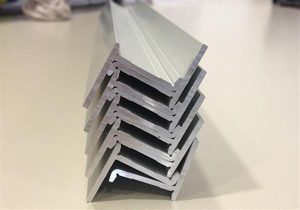
Aluminum extrusion involves pushing a heated aluminum billet through a die to create a custom cross-sectional shape. This process allows for the production of complex and lightweight components with excellent strength-to-weight ratios. The resulting aluminum profiles can be used for structural support, framing, heat sinks, and decorative elements, among other applications.
Factors to Consider
-
Application and Functionality:
- The first step in selecting the right aluminum profiles is to clearly define their intended purpose. Are you looking for structural support, heat dissipation, or aesthetics? Understanding the role the profiles will play in your project is essential.
-
Alloy Selection:
- Different aluminum alloys offer various properties. For example, 6061 and 6063 alloys are commonly used due to their excellent strength and corrosion resistance. Your choice of alloy should align with your project’s requirements, such as load-bearing capacity and environmental conditions.
-
Profile Shape and Size:
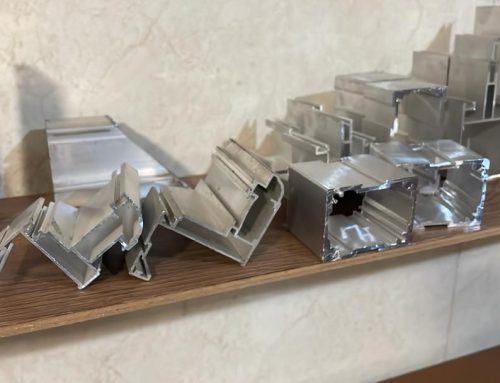
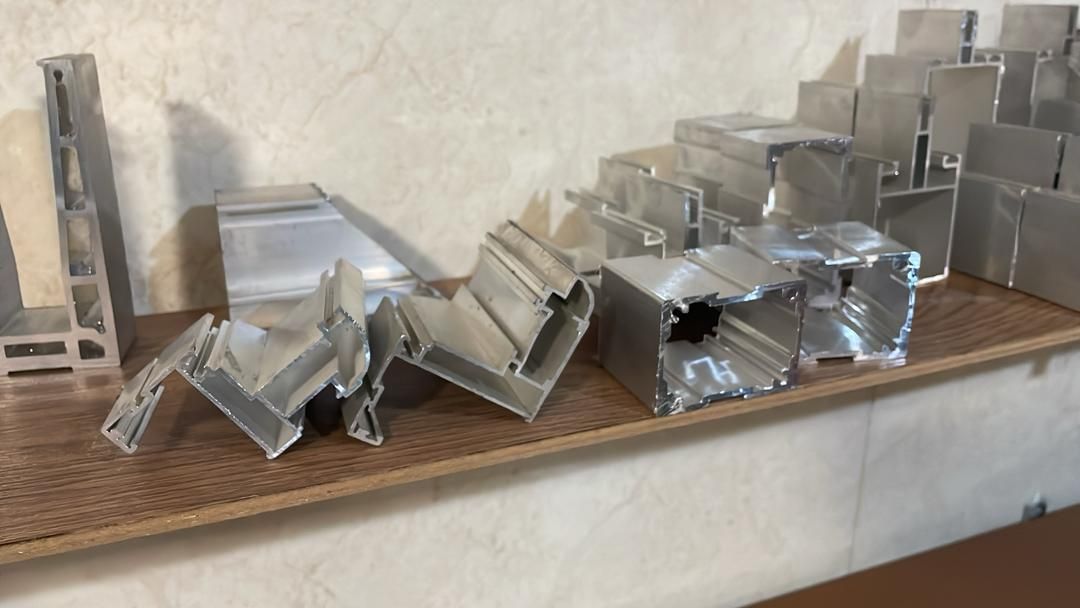
- Aluminum extrusions come in various shapes and sizes, including angles, channels, T-slots, and custom designs. The profile’s dimensions should match your project’s specifications and offer ease of assembly.
-
Tolerances and Precision:
- Consider the required tolerances and precision for your project. Ensure that the chosen profiles meet the necessary dimensional accuracy and surface finish to maintain the integrity of your design.
-
Surface Finish:
- Depending on your application, you may need different surface finishes, such as anodized, powder-coated, or mill finish. These finishes enhance the profiles’ aesthetics and provide protection against corrosion.
-
Strength and Load-Bearing Capacity:
- Evaluate the structural requirements of your project. Aluminum extrusions can be engineered to meet specific strength and load-bearing requirements. Ensure that the chosen profiles can support the intended loads.
-
Thermal Conductivity:
- If your project involves heat dissipation, select aluminum profiles with high thermal conductivity. This property is crucial for applications like heat sinks in electronics or cooling systems in automotive components.
-
Cost and Budget:
- Budget constraints play a significant role in profile selection. Balance your project’s requirements with the available budget to make cost-effective choices without compromising quality.
-
Environmental Considerations:
- Be mindful of any environmental regulations or sustainability goals your project needs to adhere to. Some aluminum alloys are more eco-friendly and recyclable than others.
-
Supplier Reputation:
- Choose a reputable aluminum extrusion supplier with a track record of delivering quality products on time. A reliable supplier can provide valuable guidance and support during the selection process.
Achieving the Best Results
To maximize the benefits of aluminum extrusion, it’s essential to maintain open communication with your chosen supplier throughout the design and production process. Here are some additional tips to help you achieve the best results:
- Prototype and Testing: Before committing to a large-scale production run, consider creating prototypes or conducting testing to validate the chosen profiles’ performance. This can help identify any potential issues and ensure that the profiles meet your project’s requirements.
- Customization: Aluminum extrusion allows for a high degree of customization. Don’t hesitate to discuss your specific needs with your supplier, as they can help engineer profiles tailored to your unique requirements.
- Quality Assurance: Implement a robust quality assurance process to monitor the manufacturing and assembly of your aluminum profiles. Regular inspections and testing can catch any defects or deviations early in the production process.
- Lifecycle Considerations: Think about the long-term maintenance and replacement requirements for your project. Choosing profiles with excellent corrosion resistance and durability can extend the lifespan of your application.
- Recycling and Sustainability: If sustainability is a concern, opt for aluminum profiles that are easily recyclable. Aluminum is one of the most recyclable materials globally, and choosing recyclable profiles can align with environmental goals.
- Documentation and Compliance: Ensure that your chosen aluminum profiles comply with industry standards and regulations. Proper documentation of material specifications, tolerances, and certifications is essential, especially for industries with stringent quality and safety requirements.
- Future Expansion: Think about the potential for future expansion or modifications to your project. Choosing aluminum profiles that are compatible with future adjustments can save time and resources down the road.
Incorporating aluminum extrusion into your project can lead to improved performance, reduced weight, enhanced aesthetics, and cost savings. However, it’s important to keep in mind that the right choice of profiles is only the beginning of the journey.
Once you’ve selected the appropriate aluminum profiles, the implementation phase begins. Here are some steps to consider:
- Design and Engineering: Collaborate closely with engineers and designers to integrate the chosen profiles seamlessly into your project. Ensure that the profiles fit the design, meet load-bearing requirements, and fulfill their intended functions effectively.
- Manufacturing and Production: Work closely with your aluminum extrusion supplier to coordinate production schedules and quality control measures. Regularly communicate to address any issues or changes that may arise during the manufacturing process.
- Assembly and Integration: Depending on your application, you may need to assemble various components using the aluminum profiles. Ensure that the assembly process aligns with your project timeline and quality standards.
- Testing and Validation: Perform thorough testing and validation of the final product or system to ensure that it meets performance specifications and safety requirements. This step is critical to identifying and addressing any potential issues before deployment.
- Maintenance and Lifecycle Management: Establish a maintenance plan to prolong the lifespan of your project. Aluminum’s corrosion resistance can help minimize maintenance, but regular inspections and upkeep are still necessary for long-term success.
- Feedback and Continuous Improvement: Collect feedback from end-users and stakeholders to identify opportunities for improvement. Whether it’s enhancing functionality, reducing costs, or increasing energy efficiency, ongoing refinement is essential.
- Documentation and Compliance: Maintain comprehensive documentation throughout the project’s lifecycle. This includes records of materials, specifications, testing results, and compliance with industry standards.
- Cost Control: Keep a close eye on project costs to ensure they align with your budget. Effective cost management can prevent unexpected financial burdens and delays.
- Adaptability: Be prepared to adapt to changing circumstances or emerging technologies. The versatility of aluminum profiles allows for modifications and updates if needed.
By following these steps, you can ensure a smooth transition from the selection of the right aluminum profiles to the successful implementation of your project. Aluminum extrusion offers a robust and flexible solution for a wide range of applications, and with careful planning and execution, you can achieve your project’s goals efficiently and effectively.
Conclusion
Aluminum extrusion offers a wide array of possibilities for various industries and applications. By taking the time to carefully select the right profiles, considering factors such as functionality, alloy choice, profile shape and size, and more, you can optimize your project’s success.
Remember that collaboration with experienced engineers, designers, and extrusion experts is key to making informed decisions. Your aluminum extrusion supplier should be a valuable partner in guiding you through the selection process and delivering high-quality profiles that meet your needs.
In conclusion, aluminum extrusion is a versatile and cost-effective solution that, when paired with thoughtful profile selection, can lead to outstanding project outcomes. Whether you are creating structural components, heat sinks, decorative elements, or any other application, choosing the right aluminum profiles is the foundation for success , Aluminum extrusion: choose the right profiles for your needs.



Leave A Comment