
Aluminum doors and windows

Aluminum doors and windows are popular choices for both residential and commercial buildings due to their durability, strength, and aesthetic appeal. However, the cost of manufacturing aluminum doors and windows can vary depending on several factors, such as the quality of materials used, the manufacturing process, and labor costs. In this article, we will explore the different factors that contribute to the cost of manufacturing aluminum doors and windows.
Materials
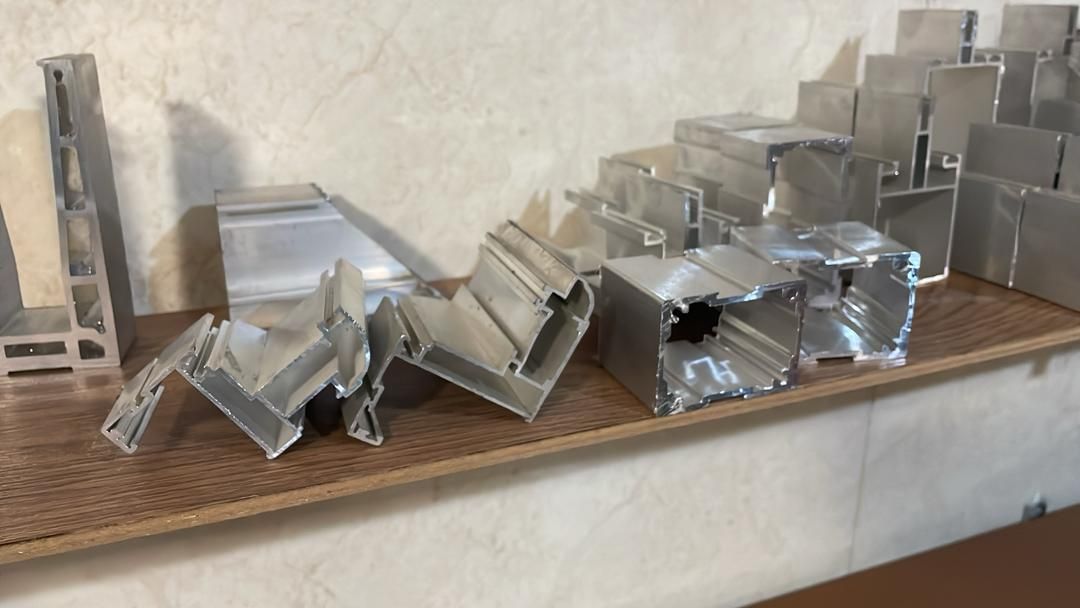
The cost of aluminum doors and windows primarily depends on the quality and type of materials used in manufacturing. Aluminum frames are the most significant material cost, and different alloys can affect the overall cost. The most commonly used aluminum alloys in door and window manufacturing are 6061 and 6063.
6061 aluminum alloy is a high-strength material used in the construction industry, and it is typically more expensive than 6063. On the other hand, 6063 aluminum alloy is less dense and has better thermal conductivity, making it more suitable for window frames. However, the type of alloy used will depend on the specific application.
Aside from aluminum frames, other materials, such as glass, hardware, and sealants, also contribute to the cost. High-quality glass types, such as double-glazed or tempered glass, are more expensive than standard glass. Moreover, high-quality hardware, such as locks and handles, adds to the overall cost. The type and quality of sealants used for installation can also affect the overall cost.

Manufacturing Process
The manufacturing process for aluminum doors and windows is crucial to their quality and longevity. Different processes, such as extrusion, fabrication, and assembly, can affect the cost of manufacturing.
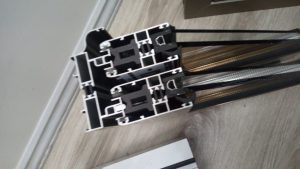
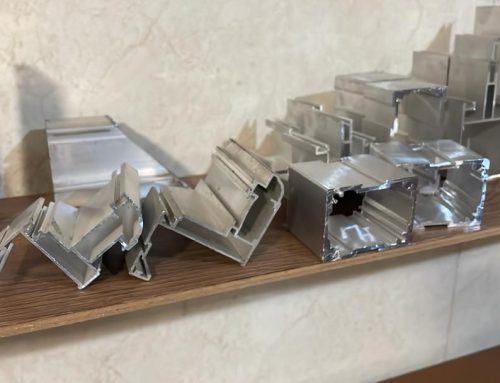
Extrusion is the process of shaping aluminum into a desired profile by pushing it through a die. This process can be costly because it requires specialized equipment and tooling. However, extrusion is the most efficient way to create consistent, high-quality aluminum frames for doors and windows.
Fabrication is the process of cutting and machining aluminum profiles to fit specific dimensions. This process can be labor-intensive, and the cost will depend on the complexity of the design and the skill level of the fabricators.
Assembly is the process of joining different components of the door and window, such as frames, glass, and hardware. This process requires attention to detail and can also be labor-intensive. Moreover, the type and quality of sealants used for installation can affect the overall cost.
Labor Costs
The cost of labor is another significant factor that affects the overall cost of manufacturing aluminum doors and windows. The cost will depend on the location of the manufacturing facility and the skill level of the workers.
In developed countries with higher labor costs, such as the United States and Europe, the cost of manufacturing aluminum doors and windows will be higher than in developing countries with lower labor costs. Moreover, skilled labor, such as experienced fabricators and installers, will also command higher wages, contributing to the overall cost.
Transportation and Shipping Costs
The transportation and shipping costs of aluminium doors and windows also contribute to the overall cost. These costs will depend on the distance between the manufacturing facility and the final destination, as well as the mode of transportation.
For example, if the manufacturing facility is located in China, and the final destination is in the United States, the shipping costs can be significant. Moreover, if the doors and windows are custom-made and require special packaging, the shipping costs can also increase.
Market Demand and Competition
The market demand for aluminum doors and windows can also affect the cost of manufacturing. If the demand for aluminum doors and windows is high, manufacturers may be able to charge higher prices, contributing to the overall cost. Moreover, if there is intense competition among manufacturers, they may need to reduce their prices to remain competitive, affecting the cost of manufacturing.
Quality Control and Certification
The quality of aluminum doors
and windows is essential to ensure their durability and longevity. Quality control measures, such as inspection and testing, can contribute to the overall cost of manufacturing. These measures ensure that the doors and windows meet the required standards and specifications.
Certification is also important for manufacturers who want to sell their products in different markets. Certification ensures that the doors and windows meet the required safety and quality standards set by regulatory bodies. Obtaining certification can be costly, but it is essential for manufacturers who want to expand their market reach.

Conclusion
In conclusion, the cost of manufacturing aluminum doors and windows depends on several factors, including the quality and type of materials used, the manufacturing process, labor costs, transportation and shipping costs, market demand and competition, quality control measures, and certification requirements. Manufacturers need to balance these factors to ensure that they can produce high-quality doors and windows at a competitive price.
Moreover, customers also need to consider these factors when choosing aluminum doors and windows for their buildings. The cost of aluminum doors and windows should not be the only consideration. Customers should also consider the quality, durability, and longevity of the doors and windows to ensure that they get the best value for their money. By understanding the factors that contribute to the cost of manufacturing aluminum doors and windows, both manufacturers and customers can make informed decisions that meet their needs and budget.


Leave A Comment