
Aluminum Connection Elements: Building Stronger Connections
Introduction
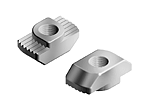
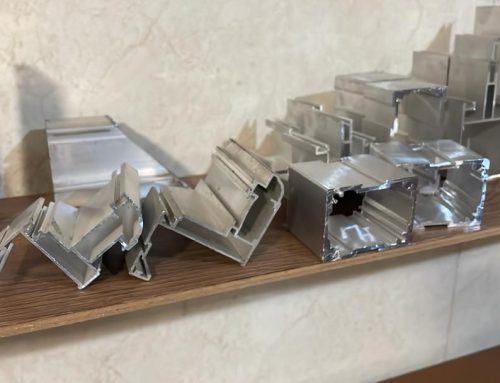
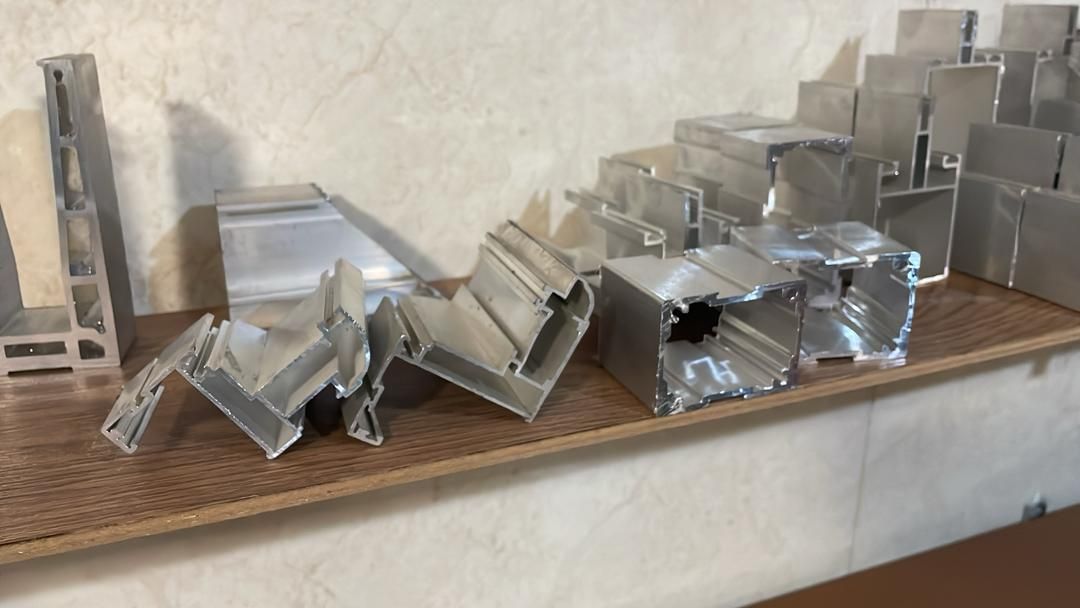
Aluminum, a versatile and lightweight metal, plays a crucial role in modern construction and engineering. While it’s commonly associated with structural components like beams and frames, aluminum also finds extensive use in connection elements. These unassuming pieces are the unsung heroes of construction, responsible for securely joining various structural components together. In this article, we will explore the importance of aluminum connection elements, their diverse applications, and the advantages they offer in contemporary construction.
The Versatility of Aluminum
Aluminum, known for its exceptional properties, has gained popularity in construction for several reasons:
- Lightweight: Aluminum is approximately one-third the weight of steel, making it ideal for applications where weight reduction is essential, such as in aerospace, automotive, and lightweight structures.
- Corrosion Resistance: Aluminum naturally forms a protective oxide layer that shields it from corrosion. This property ensures durability in outdoor and marine environments.
- High Strength-to-Weight Ratio: Aluminum exhibits impressive strength despite its light weight, making it suitable for a wide range of structural and connection elements.
Aluminum Connection Elements: Their Significance
Connection elements are integral components in construction and engineering, responsible for holding various parts together. In modern construction, aluminum connection elements offer unique advantages:
- Structural Integrity: Aluminum connectors provide a strong and reliable connection between structural elements, ensuring the stability and safety of the entire structure.
- Reduced Maintenance: The corrosion resistance of aluminum connection elements reduces maintenance requirements, prolonging the lifespan of structures.
- Design Flexibility: Aluminum’s malleability and versatility allow for the creation of intricate and aesthetically pleasing connection designs, making it suitable for both functional and architectural purposes.
Applications of Aluminum Connection Elements
Aluminum connection elements find applications in various industries and settings:
- Building Construction: Aluminum connectors are used in the construction of high-rise buildings, bridges, and other structures to ensure the stability and longevity of the building.
- Aerospace: In the aerospace industry, lightweight aluminum connectors are crucial for reducing the overall weight of aircraft while maintaining structural integrity.
- Automotive: Aluminum connection elements are used in vehicle manufacturing, contributing to improved fuel efficiency due to reduced weight.
- Marine: Given its corrosion resistance, aluminum is extensively used in marine structures and vessels for connection elements that withstand the harsh conditions of seawater.
- Renewable Energy: Aluminum connectors are integral in the construction of wind turbines and solar panel support structures, as they provide a strong yet lightweight solution for these renewable energy systems.
Advantages of Aluminum Connection Elements
- Weight Savings: Aluminum’s lightness reduces the overall weight of structures, resulting in cost savings during transportation and installation.
- Durability: Aluminum connectors are resistant to corrosion, ensuring that the connection remains strong over time, even in challenging environments.
- Sustainability: Aluminum is highly recyclable, making it an eco-friendly choice for construction projects concerned with environmental impact.
- Aesthetics: Aluminum’s ability to be easily shaped and designed allows for creative and visually appealing connection elements.
in building and engineering.
In recent years, the demand for aluminum connection elements has only grown stronger, driven by the need for more sustainable construction practices. As the construction industry increasingly focuses on reducing its carbon footprint, aluminum’s recyclability stands out as a significant advantage. Aluminum connection elements can be recycled repeatedly without compromising their quality, making them a sustainable choice for builders and engineers.
Additionally, the use of aluminum in connection elements aligns with the broader trend toward lightweight construction materials. This is particularly relevant in industries like transportation, where reducing weight is critical for improving fuel efficiency and reducing emissions. The automotive industry, for example, has embraced aluminum connection elements to achieve both structural integrity and lighter vehicles, ultimately leading to reduced fuel consumption.
Moreover, in the construction of energy-efficient buildings, aluminum connection elements play a pivotal role. These connectors are often used in curtain wall systems, which are designed to provide thermal insulation while allowing for natural light. Aluminum’s adaptability to various design requirements enables architects to create energy-efficient and visually appealing structures, contributing to sustainable and aesthetically pleasing urban landscapes.
The future of aluminum connection elements looks promising, as ongoing research and innovation continue to expand their applications. For instance, the development of advanced alloys and manufacturing techniques enhances the strength-to-weight ratio of aluminum connectors, opening doors to even more design possibilities and structural solutions. Furthermore, 3D printing technology is making it possible to create complex and customized aluminum connection elements, further expanding their utility.
Expanding on the potential developments in aluminum connection elements, it’s worth considering how these innovations might shape the future of construction and engineering:
- Smart Integration: With the rise of smart buildings and the Internet of Things (IoT), aluminum connection elements could incorporate technology such as sensors and data-transmitting capabilities. This would enable real-time monitoring of structural integrity, allowing for predictive maintenance and enhanced safety.
- Energy Efficiency: As energy efficiency continues to be a priority in construction, aluminum connection elements could be designed to integrate seamlessly with energy-efficient building systems. This might include connectors that optimize thermal insulation, contributing to reduced heating and cooling costs.
- Sustainable Practices: Aluminum’s recyclability makes it an essential component in sustainable building practices. In the future, construction projects may prioritize the use of recycled aluminum for connection elements, further reducing their environmental impact.
- Advanced Manufacturing Techniques: Innovations in manufacturing processes, such as 3D printing and advanced CNC machining, can lead to more intricate and precisely engineered aluminum connectors. This can result in connectors that are not only stronger but also tailored to the unique needs of a project.
- Biocompatible Aluminum: In healthcare and biomedical applications, biocompatible aluminum connection elements could be developed for use in medical devices or implants. These elements would be designed to interact safely with the human body, opening up new possibilities in medical engineering.
- Reduced Waste: Aluminum connection elements can be manufactured with minimal waste due to their high precision and recyclability. In the future, construction practices may prioritize waste reduction by designing connectors with minimal material requirements and efficient manufacturing processes.
- Resilience and Disaster Preparedness: Aluminum connectors may be further developed to withstand extreme weather events, earthquakes, or other natural disasters. These connectors would enhance the resilience of critical infrastructure and buildings, reducing the risk of damage during unforeseen events.
- International Collaboration: As global infrastructure projects become increasingly interconnected, standardized aluminum connection elements may emerge to facilitate international construction and engineering collaborations. Standardization can streamline construction processes and reduce costs.
Conclusion
Aluminum connection elements are indispensable components in modern construction and engineering. Their versatility, lightweight nature, and durability make them a preferred choice for applications across various industries. As technology advances and sustainable building practices gain prominence, aluminum’s role in connection elements will continue to evolve, contributing to safer, more efficient, and aesthetically pleasing structures. Whether it’s a skyscraper, an aircraft, or a renewable energy installation, aluminum connection elements play a crucial role in building stronger connections and a brighter future , Aluminum Connection Elements: Building Stronger Connections.





Leave A Comment