
Aluminum Coil
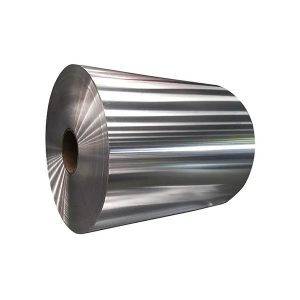
Introduction
Aluminum coils are an integral part of numerous industries, providing a versatile and indispensable solution for a wide range of applications. From aerospace and construction to automotive manufacturing and packaging, aluminum coils are a fundamental component that drives innovation, sustainability, and efficiency. In this article, we will explore the world of aluminum coils, their properties, applications, and their contribution to modern society.
Properties of Aluminum Coils
Aluminum is a widely used material in the coil form due to its remarkable properties. Some of the key characteristics of aluminum coils are:
- Lightweight: Aluminum is exceptionally lightweight, making it ideal for applications where weight reduction is critical, such as in the aerospace and automotive industries. This property helps improve fuel efficiency, reduce transportation costs, and simplify installation in various applications.
- Corrosion Resistance: Aluminum naturally forms a thin oxide layer on its surface, which protects it from corrosion. This corrosion resistance ensures the longevity of aluminum coils and is a significant advantage in harsh environments.
- Excellent Conductor: Aluminum is an excellent conductor of both heat and electricity. It is frequently used in the electrical and HVAC industries due to its high thermal and electrical conductivity.
- Recyclability: Aluminum is 100% recyclable without any loss of quality, which is an essential factor in sustainability and environmental responsibility. The recycling process consumes significantly less energy compared to primary aluminum production.
Applications of Aluminum Coils
- Aerospace Industry: Aluminum coils are a critical component in the aerospace sector due to their lightweight and high-strength properties. They are used in aircraft manufacturing for structural components, panels, and fuel tanks, contributing to reduced fuel consumption and increased payload capacity.
- Construction: Aluminum coils find applications in the construction industry for roofing, cladding, and structural components. Their corrosion resistance and light weight make them an excellent choice for both residential and commercial buildings.
- Automotive Manufacturing: In the automotive industry, aluminum coils are used for body panels, heat exchangers, and suspension components. By incorporating aluminum, manufacturers can reduce the weight of vehicles, improving fuel efficiency and overall performance.
- Electrical and HVAC Systems: Aluminum coils are widely employed in the electrical and HVAC industries due to their excellent conductivity. They are used for heat exchangers, electrical transmission lines, and transformers, helping ensure efficient energy transfer and temperature control.
- Packaging: Aluminum coils are also extensively used in the packaging industry. Their malleability and barrier properties make them an excellent choice for packaging food, beverages, pharmaceuticals, and other consumer products.
- Industrial and Manufacturing: Aluminum coils serve various purposes in industrial applications, including forming and fabrication of various products, such as heat exchangers, kitchen appliances, and signage.
Sustainability and Aluminum Coils
The use of aluminum coils aligns with the global sustainability goals. Aluminum is not only lightweight but also highly recyclable, which reduces the carbon footprint. Its resistance to corrosion and durability also contribute to extended product lifecycles. Moreover, the reduction in weight in automotive and aerospace applications directly leads to reduced fuel consumption and emissions, making it an environmentally friendly choice.
The Future of Aluminum Coils
As technology and industry trends evolve, the future of aluminum coils holds immense potential. Some of the key trends and developments that are likely to shape the role of aluminum coils in the coming years include:
- Advanced Alloys: Research and development in the field of metallurgy are continually leading to the creation of new aluminum alloys with improved properties. These alloys can enhance the strength, formability, and corrosion resistance of aluminum coils, opening up new possibilities in various industries.
- Energy Efficiency: The drive towards greater energy efficiency is influencing the adoption of aluminum coils in an even wider range of applications. From electric vehicle batteries to renewable energy systems, aluminum’s lightweight and conductivity properties are central to many energy-saving solutions.
- Sustainable Manufacturing: Manufacturers are increasingly focusing on sustainable and environmentally responsible production methods. Aluminum coil manufacturers are adopting energy-efficient processes and recycling practices to reduce their carbon footprint, aligning with global sustainability objectives.
- 3D Printing: The emerging field of 3D printing is also exploring the use of aluminum alloys, further expanding the applications of aluminum coils. From aerospace components to custom industrial parts, 3D printing with aluminum opens up new possibilities for rapid and efficient manufacturing.
- Increased Use in Packaging: As consumer awareness of environmental issues grows, the demand for sustainable packaging materials is rising. Aluminum coils are poised to play a more significant role in this context due to their recyclability and protective properties.
- Lightweighting: The ongoing quest to reduce the weight of vehicles and aircraft to improve fuel efficiency is likely to drive the increased adoption of aluminum coils. Advanced manufacturing techniques and innovative designs will continue to utilize aluminum’s lightweight properties to their advantage.
The Challenges and Considerations
While aluminum coils offer numerous advantages, there are also challenges and considerations that must be addressed in their use. It’s essential to be aware of these factors for a well-rounded understanding of the material:
- Cost: Aluminum, while versatile, can sometimes be more expensive than other materials. However, the benefits it offers in terms of weight reduction, durability, and sustainability often justify the higher initial cost.
- Formability: Some aluminum alloys can be challenging to form and shape. Manufacturers need to choose the right alloy and processing methods to achieve the desired characteristics.
- Joining Methods: Welding and joining aluminum can be more complex compared to other materials. Specialized techniques are required to ensure strong and durable connections.
- Surface Finishing: Aluminum is susceptible to surface oxidation, which can affect its appearance. Proper surface finishing is essential to maintain its aesthetic appeal, especially in architectural and consumer product applications.
- Recycling Infrastructure: While aluminum is highly recyclable, there needs to be an efficient recycling infrastructure in place to fully harness its environmental benefits. This includes collection, sorting, and reprocessing facilities.
- Environmental Impact: While aluminum is a sustainable material, the extraction and production of primary aluminum can be energy-intensive. Efforts to reduce the carbon footprint of aluminum production are ongoing.
The Global Impact
Aluminum is a global commodity, with a substantial impact on various economies. Major aluminum-producing countries include China, Russia, India, Canada, and the United Arab Emirates, among others. As the demand for aluminum coils continues to rise, especially in developing economies, it further drives industrial growth, employment opportunities, and economic development.
The aluminum industry also plays a role in international trade and cooperation. Various countries import and export aluminum and its products, contributing to global economic interdependence.
Conclusion
Aluminum coils are a versatile and indispensable material that plays a pivotal role in modern society, spanning across multiple industries. Their unique properties, such as lightweight, corrosion resistance, and recyclability, have made them a preferred choice for a wide range of applications. As technology and industry trends evolve, aluminum coils are likely to play an even more significant role, especially in areas like energy efficiency, sustainability, and advanced manufacturing.
While aluminum coils offer numerous benefits, it’s important to consider the associated challenges, including cost, formability, and recycling infrastructure. By addressing these challenges and leveraging the material’s strengths, we can continue to harness the potential of aluminum coils in shaping a more sustainable, efficient, and advanced world.
In conclusion, the world of aluminum coils is an ever-evolving and dynamic field, where innovations and advancements continue to drive progress across various industries, contributing to a brighter and more sustainable future , Aluminum Coil , Aluminum Coil , Aluminum Coil.





Leave A Comment