
Aluminum channel profile dimensions
Aluminum channel profiles are a popular type of extruded aluminum product that are commonly used in a variety of applications. These profiles are typically made from 6000-series aluminum alloys, which offer a combination of strength, durability, and corrosion resistance. One of the key features of aluminum channel profiles is their versatility, as they can be customized to meet specific application requirements. In this article, we will discuss the various dimensions of aluminum channel profiles and their significance in different applications.

Dimensions of Aluminum Channel Profiles
Aluminum channel profiles are available in a wide range of sizes, shapes, and dimensions to suit various applications. These profiles are typically characterized by their width, depth, and thickness, which are the primary dimensions used to describe them. The width of an aluminum channel profile refers to the distance across the top of the channel, while the depth refers to the distance from the top to the bottom of the channel. The thickness, on the other hand, refers to the thickness of the walls of the channel.
The most common type of aluminum channel profile is the standard U-shaped channel, which is available in a range of sizes from small to large. The dimensions of these profiles typically range from 0.5 inches to 12 inches in width, 0.5 inches to 6 inches in depth, and 0.0625 inches to 0.5 inches in thickness. However, custom dimensions can be fabricated as per requirements.
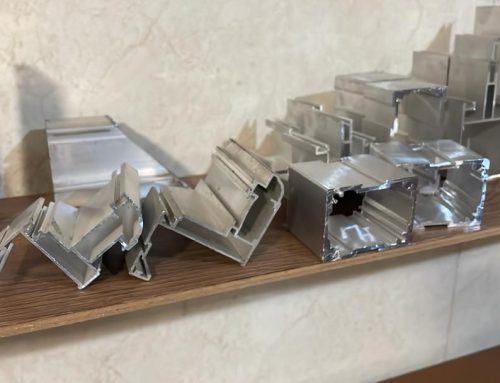
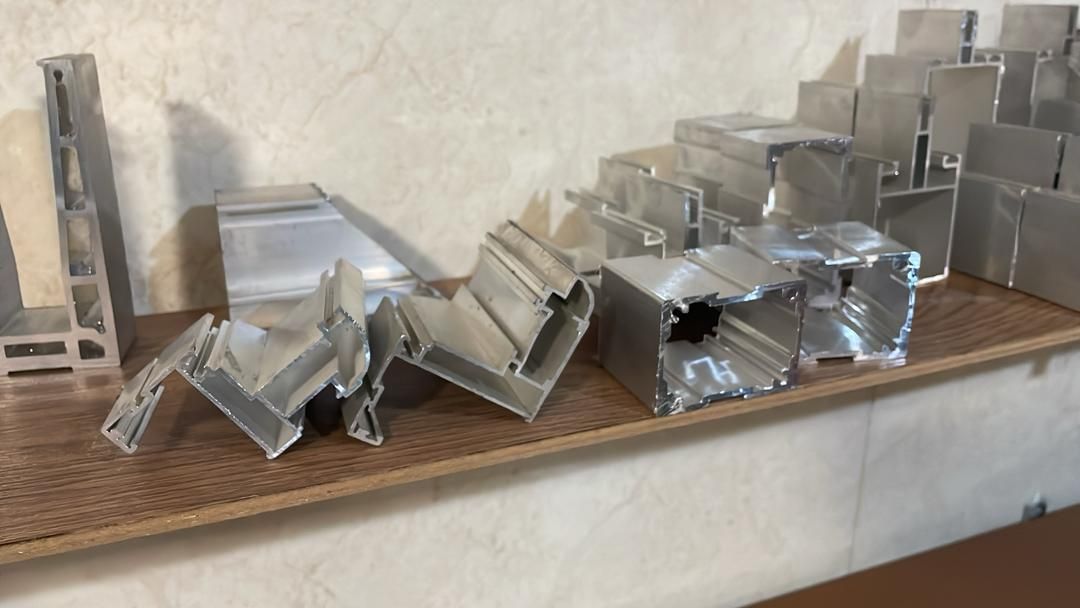
Aluminum channel profiles are also available in a variety of other shapes and sizes, including C-channels, J-channels, and hat channels, which have different dimensions than U-channels. C-channels have a flatter profile than U-channels and are typically used in applications where a flat surface is required. J-channels, on the other hand, have a J-shaped profile that is useful for wrapping around the edges of materials, such as panels or sheets. Hat channels are similar to C-channels but have a wider top flange and a narrower bottom flange, which makes them ideal for use in lightweight framing applications.
Significance of Aluminum Channel Profile Dimensions
The dimensions of aluminum channel profiles are significant because they affect the strength, weight, and stability of the profile. The width and depth of the channel are important determinants of the strength of the profile, as larger profiles will typically be stronger than smaller ones. The thickness of the walls is also a significant factor, as thicker walls provide more strength and stability to the profile.
In addition to affecting the strength and stability of the profile, the dimensions of aluminum channel profiles can also have an impact on their weight. Larger profiles will generally be heavier than smaller ones, and this weight difference can have an impact on the ease of installation and the overall weight of the final product. This is particularly important in applications where weight is a critical factor, such as in the aerospace industry, where weight reduction is crucial for fuel efficiency and performance.
Another significant factor to consider when selecting the dimensions of an aluminum channel profile is its compatibility with other components in the assembly. For example, the dimensions of a channel profile used in a framing application must be compatible with the dimensions of the other components in the frame to ensure a secure and stable assembly. In this case, it is essential to consider the dimensions of the other components, such as bolts, nuts, and washers, to ensure they are compatible with the dimensions of the channel profile.

Applications of Aluminum Channel Profiles
Aluminum channel profiles have a wide range of applications across various industries, including construction, transportation, aerospace, and electronics. In the construction industry, they are used for framing, trusses, and supports, while in the transportation industry, they are used in the manufacture of trailers, trucks, and rail cars.
In the aerospace industry, they are used in the manufacture of aircraft components, such as fuselages, wings, and landing gear, while in the electronics industry, they are used in the manufacture of enclosures, racks, and mounting brackets.
In the construction industry, aluminum channel profiles are commonly used in framing applications, such as for supporting walls, roofs, and floors. These profiles are also used for trusses, which are triangular structures that provide support and stability to roofs and bridges. Aluminum channel profiles are preferred for such applications because of their strength, durability, and corrosion resistance, which make them suitable for use in harsh environments.
In the transportation industry, aluminum channel profiles are used in the manufacture of trailers, trucks, and rail cars, where their strength and lightweight properties are particularly advantageous. These profiles are also used in the construction of cargo containers, where they provide a durable and lightweight structure that can withstand the rigors of transportation.
In the aerospace industry, aluminum channel profiles are used in the manufacture of aircraft components, such as fuselages, wings, and landing gear. The lightweight properties of aluminum make it an ideal material for use in aircraft, where weight reduction is crucial for performance and fuel efficiency. Aluminum channel profiles are also used in the construction of satellite frames and other space-related applications, where their strength and lightweight properties are particularly advantageous.
In the electronics industry, aluminum channel profiles are used in the manufacture of enclosures, racks, and mounting brackets. These profiles are particularly useful for applications where EMI/RFI shielding is required, as the aluminum provides a natural shield against electromagnetic interference.
Conclusion
Aluminum channel profiles are versatile extruded aluminum products that are available in a wide range of sizes, shapes, and dimensions to suit various applications. The dimensions of these profiles are significant because they affect the strength, weight, and stability of the profile, as well as its compatibility with other components in the assembly. The wide range of applications for aluminum channel profiles makes them an important material for use in various industries, including construction, transportation, aerospace, and electronics. Whether it is for framing, trusses, supports, or enclosures, aluminum channel profiles offer the strength, durability, and corrosion resistance required for many applications.





Leave A Comment