
Aluminium profile price list extension in Iran
Introduction
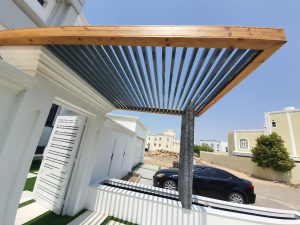
Aluminium profile price list extension in Iran, Iran’s economic landscape has witnessed significant changes in recent years, with a growing emphasis on industrial development and infrastructure projects. One critical component of this progress is the aluminum industry, which plays a pivotal role in construction, transportation, and various manufacturing sectors. As such, tracking the fluctuations in aluminum profile prices is of paramount importance for businesses and investors. This article delves into the extension of aluminum profile price lists in Iran, shedding light on the factors that influence these changes and the implications for the nation’s economic growth.
The Aluminum Industry in Iran
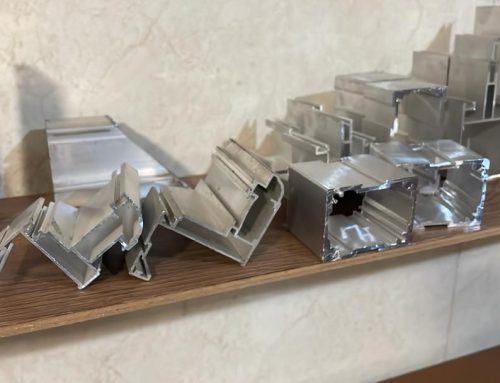
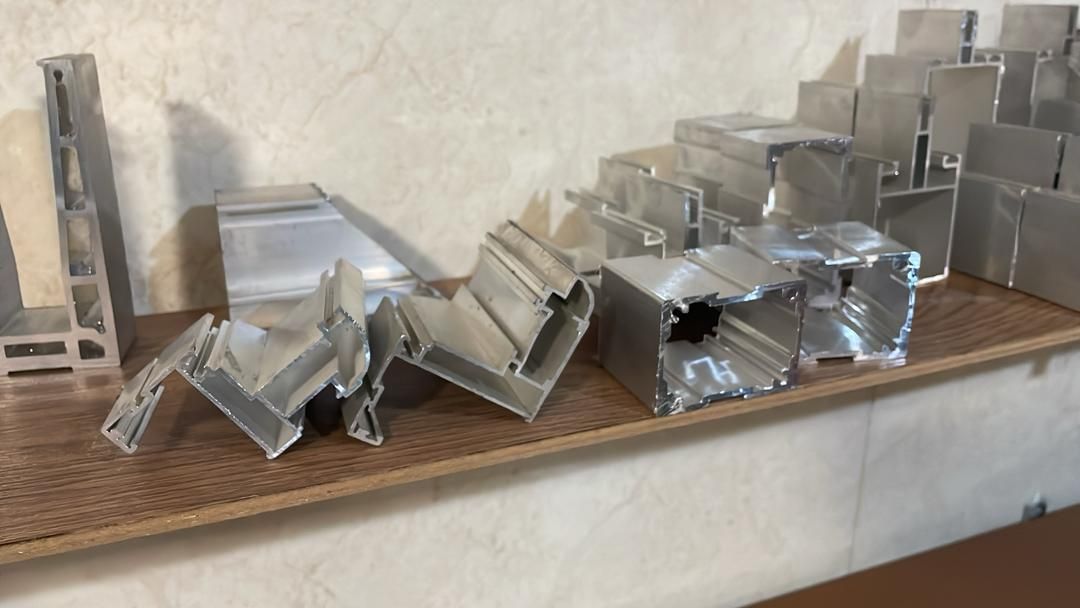
The aluminum industry is a cornerstone of Iran’s industrialization efforts, contributing substantially to the nation’s GDP and job creation. Aluminum profiles, essential components in construction and manufacturing, are widely used for their lightweight nature, corrosion resistance, and malleability. These profiles are used in applications ranging from architectural frameworks and automotive parts to electronic components.
Factors Influencing Aluminum Profile Prices
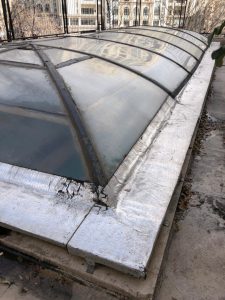
Several factors contribute to the dynamic nature of aluminum profile prices in Iran:
- Global Market Trends: Iran’s aluminum industry is affected by global aluminum market trends, including supply and demand dynamics, geopolitical factors, and economic shifts in major aluminum-producing nations. Fluctuations in global aluminum prices can directly impact local prices in Iran.
- Raw Material Costs: The cost of producing aluminum profiles is closely tied to the prices of raw materials, particularly alumina and bauxite. Variations in these raw material prices can lead to corresponding changes in the final product’s cost.
- Energy Costs: Aluminum production is energy-intensive, with electricity being a significant cost factor. Any changes in energy prices, such as fluctuations in oil and gas prices, can impact the overall production costs and subsequently influence aluminum profile prices.
- Exchange Rates: The exchange rate of the Iranian rial against major foreign currencies has a substantial impact on the cost of imported machinery and materials used in aluminum production. Exchange rate fluctuations can, therefore, lead to changes in aluminum profile prices.
- Regulatory Policies: Government policies related to taxation, tariffs, and export/import regulations can affect the overall production costs and pricing of aluminum profiles. Changes in these policies can create ripple effects throughout the industry.
Price List Extension: Implications and Challenges

Extending the aluminum profile price list in Iran serves as a valuable tool for businesses, manufacturers, and investors. A comprehensive price list provides transparency and aids in decision-making, enabling stakeholders to anticipate and plan for changes in production costs and consumer prices.
However, there are challenges associated with accurately extending price lists. The complex interplay of global market trends, domestic economic conditions, and regulatory policies makes it difficult to predict price movements with absolute certainty. Sudden shifts in any of these factors can lead to unforeseen fluctuations in aluminum profile prices.
Challenges and Opportunities
While the aluminum industry in Iran presents numerous opportunities for economic growth and innovation, it also faces certain challenges that impact the extension of aluminum profile price lists:
- Supply Chain Disruptions: Global supply chain disruptions, such as those caused by the COVID-19 pandemic, can lead to shortages of raw materials, delayed shipments, and production interruptions. These disruptions can create volatility in aluminum profile prices and hinder accurate price list extensions.
- Infrastructure Development: Iran’s ambitious infrastructure development plans require substantial quantities of aluminum profiles. However, inadequate infrastructure and transportation networks can lead to logistical challenges, affecting the timely availability of aluminum profiles and potentially impacting prices.
- Technical Expertise: Developing a skilled workforce with the technical expertise to efficiently produce high-quality aluminum profiles is crucial. Ensuring a skilled labor force can contribute to stable production processes and consistent pricing.
- Environmental Considerations: Aluminum production can have environmental implications due to its energy-intensive nature. Balancing economic growth with environmental sustainability is a challenge that the industry must address to meet international standards and maintain its competitiveness.
- International Relations: Iran’s international relations and sanctions can impact trade agreements, export-import dynamics, and access to global markets. These geopolitical factors can influence aluminum profile pricing and complicate the extension of accurate price lists.
Government Initiatives and Industry Collaboration
To mitigate challenges and leverage opportunities, the Iranian government and industry stakeholders must collaborate to ensure the sustainable growth of the aluminum sector. Some potential strategies include:
- Investment in Research and Development: Allocating resources to research and development can lead to innovations in aluminum production techniques, reducing costs and increasing efficiency. This can contribute to stable prices and enhanced competitiveness.
- Diversification of Energy Sources: Exploring renewable energy sources for aluminum production can help mitigate the impact of fluctuating energy prices and promote environmental sustainability.
- Strengthening Supply Chains: Improving transportation infrastructure and supply chain management can ensure timely access to raw materials and facilitate the distribution of finished aluminum profiles.
- Market Monitoring: Regular monitoring of global aluminum market trends and economic indicators can help stakeholders anticipate price movements and make informed decisions.
- Collaboration with International Partners: Strengthening diplomatic and trade ties can open up new markets for Iranian aluminum profiles, reducing dependence on a single market and enhancing resilience against geopolitical fluctuations.
Conclusion
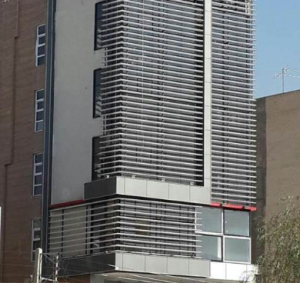
The extension of aluminum profile price lists in Iran is a reflection of the intricate web of economic, political, and technological factors that shape the aluminum industry’s trajectory. As Iran strives for economic growth and technological advancement, the aluminum sector’s stability is closely intertwined with the ability to accurately predict and manage price fluctuations. By addressing challenges and capitalizing on opportunities, Iran’s aluminum industry can contribute significantly to the nation’s development and position itself as a competitive player in the global market. Effective collaboration between the government, industry players, and international partners will be essential in realizing these aspirations and ensuring a prosperous future for the Iranian aluminum sector.

Leave A Comment