
Aluminium handrail details installation
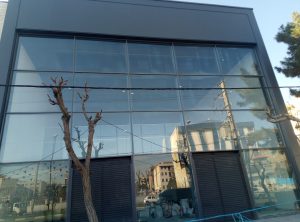
Aluminium handrails are a popular choice for staircases, balconies, and other areas where safety and support are necessary. They are durable, lightweight, and easy to maintain. In this article, we will discuss the installation of aluminium handrails and cover some important details that need to be considered during the installation process.
Step 1: Measuring the Area
Before you start the installation process, you need to measure the area where you want to install the aluminium handrail. This will help you determine the length of the handrail you will need. You should also measure the height of the handrail to ensure it meets local building codes and regulations.
Step 2: Choosing the Handrail System
There are several types of aluminium handrail systems available in the market. Some systems come with pre-assembled components, while others require on-site assembly. Choose a system that suits your requirements and preferences. Ensure that the handrail system is suitable for the environment where it will be installed.
Step 3: Preparing the Area
Once you have measured the area and selected the handrail system, you need to prepare the area where the handrail will be installed. Remove any existing handrails, balusters or other components that may interfere with the installation process. Clean the area and remove any debris or obstacles.
Step 4: Assembling the Handrail System
If the handrail system you have chosen requires on-site assembly, then you need to follow the manufacturer’s instructions to assemble the system. Typically, this involves attaching the brackets to the handrail and fixing them to the wall. You will also need to attach any balusters or other components to the handrail system.
Step 5: Fixing the Handrail System to the Wall
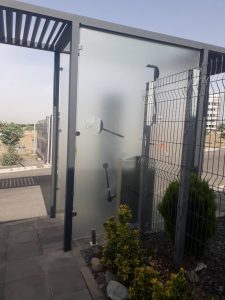
After assembling the handrail system, you need to fix it to the wall. You can use screws or anchors to attach the brackets to the wall. Ensure that the screws or anchors are long enough to provide a secure hold. You should also use a level to ensure that the handrail is installed straight and level.
Step 6: Finishing the Handrail System
Once the handrail system is fixed to the wall, you can finish it by attaching any end caps or decorative elements. You should also ensure that all the components are securely fixed and that there are no loose connections. Test the handrail by applying pressure to it to ensure that it is stable and secure.
Step 7: Final Inspection
Before you declare the installation process complete, you should conduct a final inspection to ensure that everything is in order. Check for any loose connections, gaps, or other issues that may compromise the safety and stability of the handrail. If you find any issues, fix them immediately.
Important Details to Consider
When installing aluminium handrails, there are several important details that you need to consider. These details can affect the safety and stability of the handrail, as well as its appearance and durability. Some of the key details to consider include:
-
Building Codes and Regulations
Before installing an aluminium handrail, you need to check local building codes and regulations to ensure that the handrail meets the required standards. This includes the height, width, and distance between balusters or other components. Failure to comply with building codes and regulations can result in fines, legal liabilities, and safety hazards.
-
Load Capacity
The load capacity of the handrail system is an important consideration, especially if it will be used in high-traffic areas or by people with mobility issues. Ensure that the handrail system is designed to support the expected load and that it meets the relevant safety standards.
-
Environment and Climate
The environment and climate where the handrail will be installed can affect its durability and maintenance requirements. For example, if the handrail will be installed in a coastal area, it may be exposed to saltwater, which can cause corrosion. In such cases, you may need to choose a handrail system that is specially designed for coastal environments. Similarly, if the handrail will be installed in an area with extreme temperatures or humidity, you may need to choose a handrail system that can withstand these conditions.
-
Material Quality
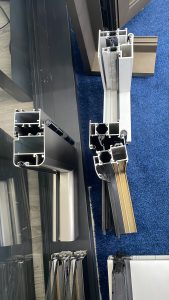
The quality of the aluminium used in the handrail system can affect its durability and resistance to corrosion. Choose a handrail system that uses high-quality aluminium and ensure that it is treated with a protective coating or finish to prevent corrosion and rust.
-
Installation Method
The method of installation can also affect the safety and stability of the handrail. Ensure that the handrail system is installed according to the manufacturer’s instructions and that all components are securely fixed. You may need to use specialized tools or equipment to ensure a proper installation.
-
Maintenance Requirements
Aluminium handrails are relatively low-maintenance, but they still require periodic cleaning and upkeep to ensure their durability and appearance. Ensure that you are aware of the maintenance requirements for the handrail system you choose, and that you are willing and able to maintain it properly.
Conclusion
In conclusion, aluminium handrails are a great choice for providing safety and support in various settings. When installing an aluminium handrail, it is important to consider important details such as building codes and regulations, load capacity, environment and climate, material quality, installation method, and maintenance requirements. By paying attention to these details, you can ensure that your aluminium handrail provides reliable and durable support for years to come.
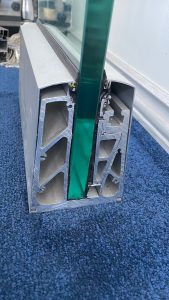
Additionally, it is important to ensure that the installation is performed by a qualified professional who has experience in installing handrail systems. This will ensure that the handrail is installed correctly and according to the required standards. If you are not confident in your ability to install the handrail system, it is best to hire a professional to do the job.
It is also important to keep in mind that handrails are an essential safety feature and should not be overlooked or neglected. Regular inspections should be conducted to ensure that the handrail system is in good condition and that there are no signs of wear or damage. Any issues should be addressed immediately to prevent accidents or injuries.
In summary, the installation of aluminium handrails requires careful planning and attention to detail. By considering important factors such as building codes, load capacity, environment, material quality, installation method, and maintenance requirements, you can ensure that your handrail system provides reliable and durable support. With proper installation and maintenance, your aluminium handrail system can provide a safe and secure environment for years to come.



Leave A Comment