
Advantages and disadvantages of terracotta
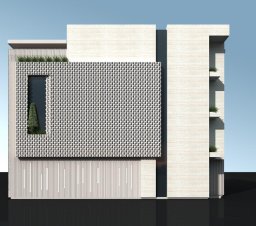
Terracotta, which means “baked earth” in Italian, is a type of clay-based ceramic that has been used for thousands of years for various purposes. From roof tiles to sculptures, terracotta is a versatile material that is both beautiful and functional. In this article, we will explore the advantages and disadvantages of terracotta in various applications.
Advantages of Terracotta
Aesthetic Appeal: Terracotta has a natural, earthy look that is very appealing. Its warm colors and rustic texture make it a popular choice for interior and exterior decor. Terracotta tiles, for example, can give a room a warm, Mediterranean feel, while terracotta planters can add a touch of nature to any outdoor space.
Durability: Terracotta is a very durable material that can last for many years. It is resistant to weathering and can withstand extreme temperatures. This makes it a popular choice for outdoor use, such as in roof tiles, bricks, and pots.

Environmentally Friendly: Terracotta is an environmentally friendly material that is made from natural clay. It is biodegradable, which means that it will not harm the environment when it is discarded. Additionally, terracotta can be recycled and reused, which further reduces its environmental impact.
Cost-Effective: Terracotta is a cost-effective material that is relatively easy to produce. This makes it an affordable choice for many applications, including building construction and pottery.
Low Maintenance: Terracotta requires very little maintenance, making it a popular choice for busy homeowners and property managers. It is easy to clean and does not require any special treatments or coatings to maintain its durability.
Disadvantages of Terracotta
Porosity: Terracotta is a porous material, which means that it can absorb water and other liquids. This can make it susceptible to cracking and breaking in freezing temperatures. To prevent this, terracotta must be sealed with a waterproof coating.
Fragility: While terracotta is a durable material, it can be fragile in certain applications. For example, terracotta tiles can crack or break if they are not installed properly or if heavy objects are dropped on them.
Color Fading: Terracotta is susceptible to color fading over time, especially when exposed to sunlight. This can make it difficult to maintain a consistent look over the years.
Staining: Terracotta is also susceptible to staining, especially when exposed to oil or grease. This can make it difficult to clean and maintain its natural beauty.
Applications of Terracotta
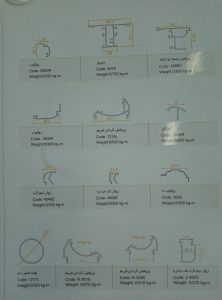
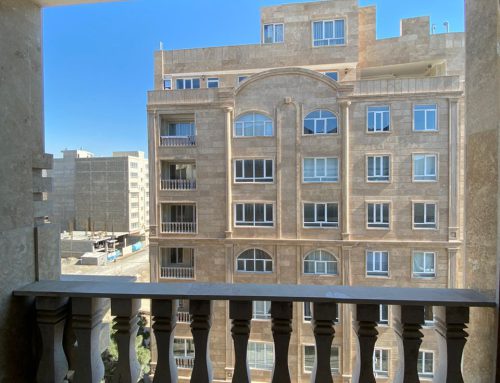
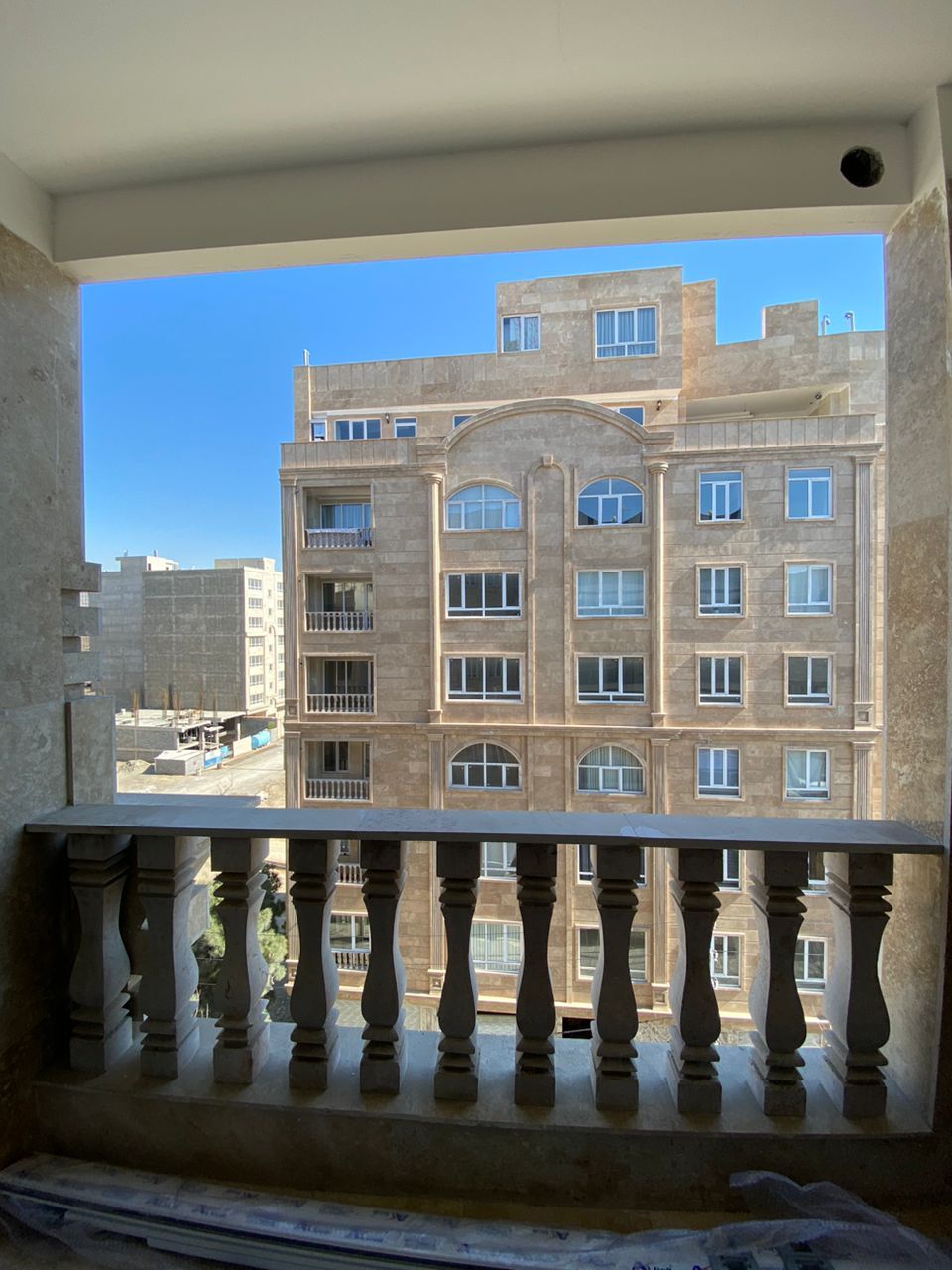
Building Construction: Terracotta is a popular material for building construction, especially in warm climates. Terracotta roof tiles, for example, can help keep a building cool by reflecting sunlight and reducing heat absorption.
Pottery: Terracotta has been used for centuries to create pottery, including vases, bowls, and figurines. Its natural, earthy look makes it a popular choice for decorative items.
Garden Decor: Terracotta planters, pots, and urns are a popular choice for garden decor. Their warm colors and natural textures can add a touch of nature to any outdoor space.
Sculpture: Terracotta is also used to create sculptures, both large and small. Its malleability and natural look make it a popular choice for artists.
Flooring and Wall Tiles: Terracotta tiles are a popular choice for flooring and wall tiles, especially in kitchens and bathrooms. Their warm colors and natural textures can add a touch of warmth and character to any space.
Conclusion
Terracotta is a versatile material that has been used for thousands of years for various purposes. Its natural, earthy look and durability make it a popular choice for building construction, pottery, garden decor, sculpture, and flooring/wall tiles. However, terracotta does have some disadvantages, such as porosity, fragility, color fading, and staining, which must be taken into account when using it for different applications.
To overcome the disadvantages of terracotta, some solutions can be applied. For example, to prevent color fading, terracotta can be sealed with a UV-resistant coating. To prevent staining, a protective sealant can be applied to the surface of the material. Additionally, to reduce the fragility of terracotta tiles, they can be reinforced with a layer of mesh or cement board during installation.
Conclusion
In conclusion, terracotta is a versatile and aesthetically pleasing material that has been used for thousands of years for various purposes. While it does have some disadvantages, the advantages of terracotta, such as durability, environmental friendliness, and low maintenance, make it a popular choice for different applications. By taking into account the potential drawbacks and applying appropriate solutions, terracotta can continue to be a valuable material for many years to come.

Leave A Comment