
Vertical and horizontal louvers manufacturers façade
Introduction:
The use of louvers in building facades is an essential feature that architects and builders have been incorporating for many years. Louvers are used to control the amount of sunlight, airflow, and privacy in a building, among other functions. Louvers are available in different shapes, sizes, and materials to match the architectural design and the building’s purpose.
Louvers are classified into two main types, horizontal and vertical. This article will discuss the two types of louvers, their benefits, and the manufacturers who specialize in producing them.
Horizontal Louvers:
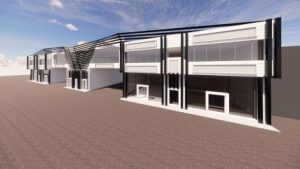
Horizontal louvers are slatted structures installed parallel to the ground, attached to the building’s facade or roof. The louvers are designed to provide protection against direct sunlight and rain while maintaining adequate ventilation. The size of the louvers varies, and they are available in different materials such as wood, metal, and PVC.
Horizontal louvers are beneficial to a building in several ways. First, they help regulate the amount of sunlight entering the building, thereby reducing the heat gain in the interior spaces. The reduction in heat gain leads to a more comfortable indoor environment, which reduces the need for air conditioning.
Secondly, horizontal louvers provide an attractive visual feature for the building. The choice of material and the design of the louvers can create a unique architectural design that complements the overall appearance of the building. Horizontal louvers are also easy to maintain, and they require little to no maintenance once installed.
Manufacturers of Horizontal Louvers:
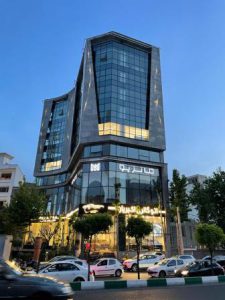
Several manufacturers specialize in producing high-quality horizontal louvers. One such manufacturer is Hunter Douglas, a leading company in architectural products. Hunter Douglas offers a range of horizontal louvers in various materials, including wood, aluminum, and PVC. The louvers are available in different sizes and designs to meet the client’s requirements.
Another manufacturer of horizontal louvers is Luxalon, which offers a range of aluminum louvers. Luxalon’s louvers are designed to provide optimal shading and natural ventilation, making them ideal for sustainable building design. The company’s louvers are also customizable, with different colors, shapes, and sizes to choose from.
Vertical Louvers:
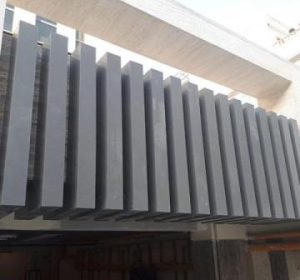
Vertical louvers are slatted structures installed perpendicular to the ground, attached to the building’s facade or roof. The louvers are designed to provide protection against direct sunlight, rain, and wind while maintaining adequate ventilation. The size of the louvers varies, and they are available in different materials such as wood, metal, and PVC.
Vertical louvers are beneficial to a building in several ways. First, they help regulate the amount of sunlight entering the building, thereby reducing the heat gain in the interior spaces. The reduction in heat gain leads to a more comfortable indoor environment, which reduces the need for air conditioning.
Secondly, vertical louvers provide an attractive visual feature for the building. The choice of material and the design of the louvers can create a unique architectural design that complements the overall appearance of the building. Vertical louvers are also easy to maintain, and they require little to no maintenance once installed.
Manufacturers of Vertical Louvers:
Several manufacturers specialize in producing high-quality vertical louvers. One such manufacturer is AlunoTec, a leading company in building materials. AlunoTec offers a range of vertical louvers in various materials, including aluminum, wood, and PVC. The louvers are available in different sizes and designs to meet the client’s requirements.
Another manufacturer of vertical louvers is Sunshade, which offers a range of aluminum louvers. Sunshade’s louvers are designed to provide optimal shading and natural ventilation, making them ideal for sustainable building design. The company’s louvers are also customizable, with different colors, shapes, and sizes to choose from.
Conclusion:
In conclusion, the use of louvers in building facades is an
essential feature that not only adds to the building’s aesthetics but also serves functional purposes such as controlling the amount of sunlight, airflow, and privacy in a building. The two main types of louvers, horizontal and vertical, both have their benefits and manufacturers that specialize in producing them.
When choosing between horizontal and vertical louvers, several factors should be considered, such as the building’s purpose, location, and orientation. For instance, in regions with a high incidence of direct sunlight, horizontal louvers may be more effective in reducing the heat gain in the interior spaces. On the other hand, in areas with high winds, vertical louvers may be more effective in providing protection against the wind.
When choosing a manufacturer for louvers, several factors should also be considered, such as the company’s reputation, the quality of their products, and their customer service. It is essential to choose a manufacturer that can provide customized solutions to meet the client’s requirements and offer support throughout the installation and maintenance process.
In conclusion, louvers are an essential feature in building facades that provide several benefits, such as regulating the amount of sunlight, airflow, and privacy. Horizontal and vertical louvers are the two main types of louvers, and they both have their benefits and manufacturers that specialize in producing them. When choosing between horizontal and vertical louvers and a manufacturer, several factors should be considered to ensure that the louvers meet the building’s requirements and the client’s needs.
Vertical and horizontal louvers manufacturers façade

Leave A Comment