
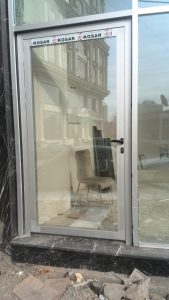
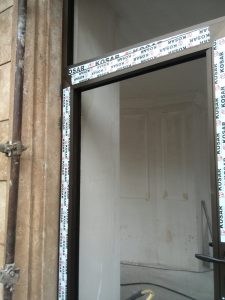
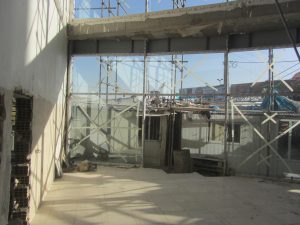
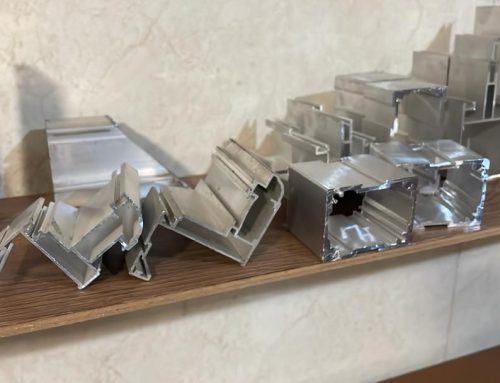
Unitized curtain wall vs stick system is a comparison between two different types of building envelope systems. The unitized curtain wall system is a prefabricated, factory-assembled system that is installed on the exterior of a building. It consists of metal frames and panels that are connected together to form an airtight and watertight seal. The stick system, on the other hand, is a traditional method of constructing the building envelope. It involves attaching individual pieces of framing material to the exterior walls and then covering them with cladding materials such as brick, stone, or metal panels.
The main difference between unitized curtain wall vs stick system lies in their installation process. The unitized curtain wall system is typically installed in large sections at once, while the stick system requires each piece to be installed individually. This means that the unitized curtain wall can be installed much faster than the stick system, which can take days or even weeks to complete depending on the size of the project. Additionally, since all components are pre-fabricated in a factory setting, there is less room for error during installation compared to when using a stick system.
Another advantage of using a unitized curtain wall vs stick system is its superior performance in terms of energy efficiency and soundproofing. Since all components are connected together in one large section, there are fewer gaps and seams for air and sound to escape through compared to when using individual pieces with a stick system. This means that buildings with unitized curtain walls tend to be more energy efficient and quieter than those with traditional stick systems. Additionally, since all components are factory-assembled before being shipped out for installation, there is less risk of damage during transport or installation compared to when using individual pieces with a stick system.
Finally, one major benefit of using a unitized curtain wall vs stick system is its cost effectiveness. Since all components are pre-fabricated in one large section before being shipped out for installation, labor costs associated with installing it are significantly lower than those associated with installing individual pieces with a stick system. Additionally, since all components are already connected together before being shipped out for installation, there is no need for additional labor costs associated with connecting them together onsite which further reduces overall costs associated with installing this type of building envelope system.
In conclusion, both unitized curtain walls and traditional stick systems have their advantages and disadvantages depending on the specific needs of each project; however overall it appears that unitized curtain walls offer more benefits than traditional stick systems due to their faster installation time frame as well as their superior performance in terms of energy efficiency and soundproofing capabilities as well as their cost effectiveness due to reduced labor costs associated with installing them compared to traditional methods such as using individual pieces with a stick system.

for more information please contact our sale experts.
You can contact us to buy and sell these products:
Types and examples of curtain wall construction and execution
Building Facade|facade engineering|facade materials
Ceramics Facades|Handrails|Terracotta Facade|Thermowood
WPC Wood Plastic|facades glass|dryfacade (Aluminum Louvers)
Detailed technical and executive information for those interested
Also, Here are some of the capabilities of this company:
Valid Aluminium Company site
aluminum company producer
factory in Manufacture aluminum profile windows & door aluminum
Details of the Valid Aluminium Company of factory products
Curtain Wall|Frameless glass facade|Aluminum louver
Skylight glass|Dry ceramic|Dry stone|aluminum profile
Glass Aluminum handrails|Composite sheet|Wood-plastic(WPC) curtain wall
Spider|Facade Design & Concept Engineering Interior Design



Leave A Comment