
Telescopic rail
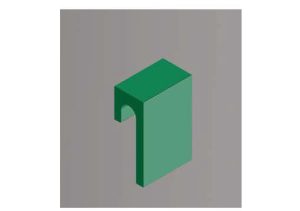
Telescopic rail ,Retractable roof systems are marvels of modern engineering, offering the best of both worlds: open-air enjoyment and weather protection. But behind their smooth operation lies a crucial component: telescopic rails. These seemingly simple tracks play a vital role in ensuring the seamless movement of retractable roofs, making them a key element in their success.
What are Telescopic Rails?
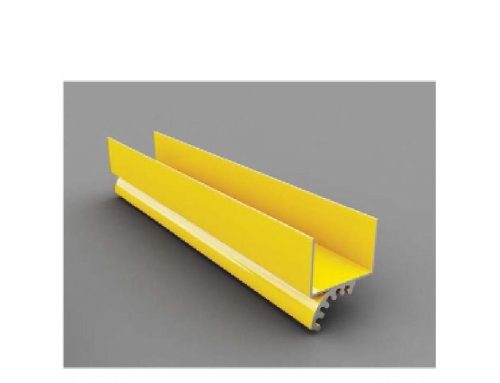
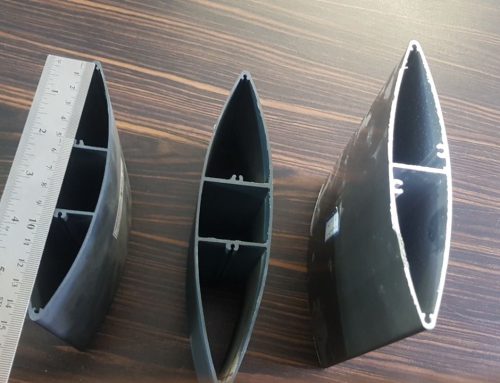
Telescopic rails are specialized linear guides designed to extend and retract smoothly. They are composed of multiple nested sections that slide along each other, allowing for significant extension lengths within a compact footprint. This feature makes them ideal for retractable roofs, where space is often limited.
Benefits of Telescopic Rails in Retractable Roof Systems
- Smooth and precise movement: Telescopic rails are precision-engineered to provide minimal friction and ensure smooth, controlled movement of the roof panels. This is crucial for a user-friendly experience and prevents damage to the roof system.
- High load capacity: Retractable roofs can be heavy, especially when constructed with materials like glass or metal. Telescopic rails are designed to withstand significant loads, ensuring the roof’s stability and safe operation.
- Compact design: As mentioned earlier, telescopic rails offer significant extension lengths while requiring minimal space in their retracted state. This makes them ideal for retractable roofs where space is a constraint.
- Variety of configurations: Telescopic rails are available in various configurations, including single-stage, double-stage, and even heavier-duty options. This allows for customization to meet the specific requirements of each retractable roof system.
- Durability and long lifespan: When manufactured from high-quality materials and properly maintained, telescopic rails can offer years of reliable performance. This minimizes maintenance requirements and ensures the long-term functionality of the retractable roof system.
Types of Telescopic Rails for Retractable Roofs
Several types of telescopic rails are commonly used in retractable roof systems:
- Ball bearing slides: These are the most common type of telescopic rail and offer good load capacity and smooth movement. They are typically used for lighter-weight roof panels.
- Roller slides: These offer higher load capacity than ball bearing slides but may not be as smooth. They are suitable for heavier roof panels.
- Heavy-duty slides: These are designed for the most demanding applications and can handle very heavy loads. They are often used for large retractable roofs or those made from heavy materials.
Choosing the Right Telescopic Rail
When choosing telescopic rails for your retractable roof system, consider the following factors:
- Weight of the roof panels: Choose rails with a load capacity that exceeds the weight of the roof panels.
- Extension length: Select rails with sufficient extension length to fully open and close the roof.
- Frequency of use: If the roof will be opened and closed frequently, choose rails designed for high cycle life.
- Budget: Telescopic rails vary in price depending on the type, material, and load capacity. Choose rails that fit your budget while meeting your performance requirements.
Installation and Maintenance of Telescopic Rails
Installation:
Installing telescopic rails requires expertise and attention to detail. Here are some key steps:
- Preparation: Carefully measure the space where the rails will be installed. Ensure the mounting surface is level and strong enough to support the load.
- Mounting: Secure the base sections of the rails to the fixed structure using appropriate fasteners.
- Alignment: Ensure the rails are aligned with each other and parallel to the roof panels.
- Connecting the panels: Attach the roof panels to the rails using carriages or other connecting hardware.
- Testing and adjustment: Test the operation of the retractable roof system to ensure smooth movement and proper alignment. Make any necessary adjustments to improve performance.
Maintenance:
To ensure long-lasting performance of your retractable roof system, it’s crucial to properly maintain the telescopic rails. Here are some essential maintenance tips:
- Regularly clean the rails: Remove dirt, dust, and debris from the rails to prevent friction and ensure smooth operation.
- Lubricate the rails: Lubricate the rails periodically with a suitable lubricant to further reduce friction and wear.
- Inspect the rails for damage: Regularly inspect the rails for any signs of damage, such as wear, cracks, or loose components. Address any issues promptly to prevent further problems.
- Adjust the tension: Over time, the tension on the rails may loosen, affecting their performance. Re-tension the rails according to the manufacturer’s instructions.
- Follow the manufacturer’s recommendations: Consult the manufacturer’s manual for specific maintenance instructions and recommended lubricants for your telescopic rails.
Safety Precautions:
Always prioritize safety when working with retractable roof systems and telescopic rails. Here are some crucial precautions to follow:
- Use appropriate safety equipment: Wear safety glasses, gloves, and other personal protective equipment when installing or maintaining the rails.
- Work with a partner: Never attempt to install or maintain the rails alone. Always have someone assist you for safety and support.
- Follow lockout/tagout procedures: Ensure power is off and locked out before performing any maintenance on the rails.
- Be aware of moving parts: Stay clear of moving parts while the roof is opening or closing to avoid injury.
- Do not overload the rails: Never exceed the weight capacity of the rails to prevent damage or accidents.
By following these installation, maintenance, and safety guidelines, you can ensure the optimal performance and longevity of your telescopic rails and your retractable roof system.
The Future of Telescopic Rails in Retractable Roof Systems
Telescopic rails have revolutionized the design and functionality of retractable roof systems. However, the future promises even greater advancements in these vital components. Here are some trends to keep an eye on:
Increased Automation: As technology continues to evolve, we can expect to see more automated retractable roof systems. This will likely involve the integration of sensors and motors with the telescopic rails, allowing for automatic opening and closing based on weather conditions, time of day, or even user preferences.
Improved Materials: The development of new, lighter, and stronger materials will further enhance the performance and capabilities of telescopic rails. This will allow them to support heavier loads and withstand harsher environmental conditions, expanding the possibilities for retractable roof applications.
Smart Design Features: Telescopic rails are becoming increasingly intelligent, incorporating features like self-lubrication systems, integrated safety mechanisms, and even data collection capabilities to optimize their performance and predict potential maintenance needs.
Sustainability: As the focus on sustainability grows, manufacturers are exploring ways to produce eco-friendly telescopic rails using recycled materials and energy-efficient manufacturing processes. This will contribute to a more sustainable future for retractable roof systems.
Customization: With the advancement of 3D printing and other technologies, we can expect to see more customized telescopic rails designed to meet the specific needs of individual projects. This will allow for greater flexibility and innovation in the field of retractable roof systems.
Integration with Smart Homes: Retractable roofs equipped with intelligent telescopic rails will seamlessly integrate with smart home systems. This will allow homeowners to control their roofs using voice commands, mobile apps, or even pre-programmed schedules for a truly automated and personalized experience.
These are just a few glimpses into the exciting future of telescopic rails in retractable roof systems. As technology continues to evolve and manufacturers push the boundaries of design and innovation, we can expect to see even more advanced and versatile telescopic rail solutions emerge, opening up new possibilities for creating dynamic and functional living spaces.

Leave A Comment