
Manufacturing profiles aluminum facade
Introduction
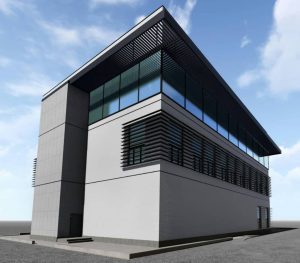
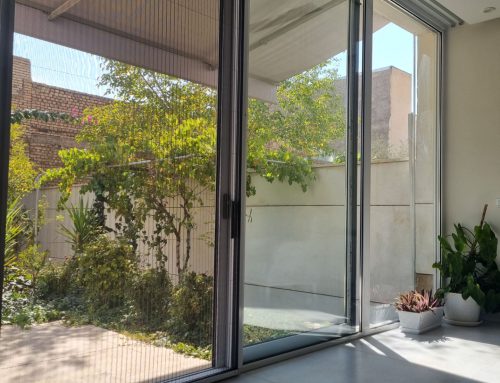
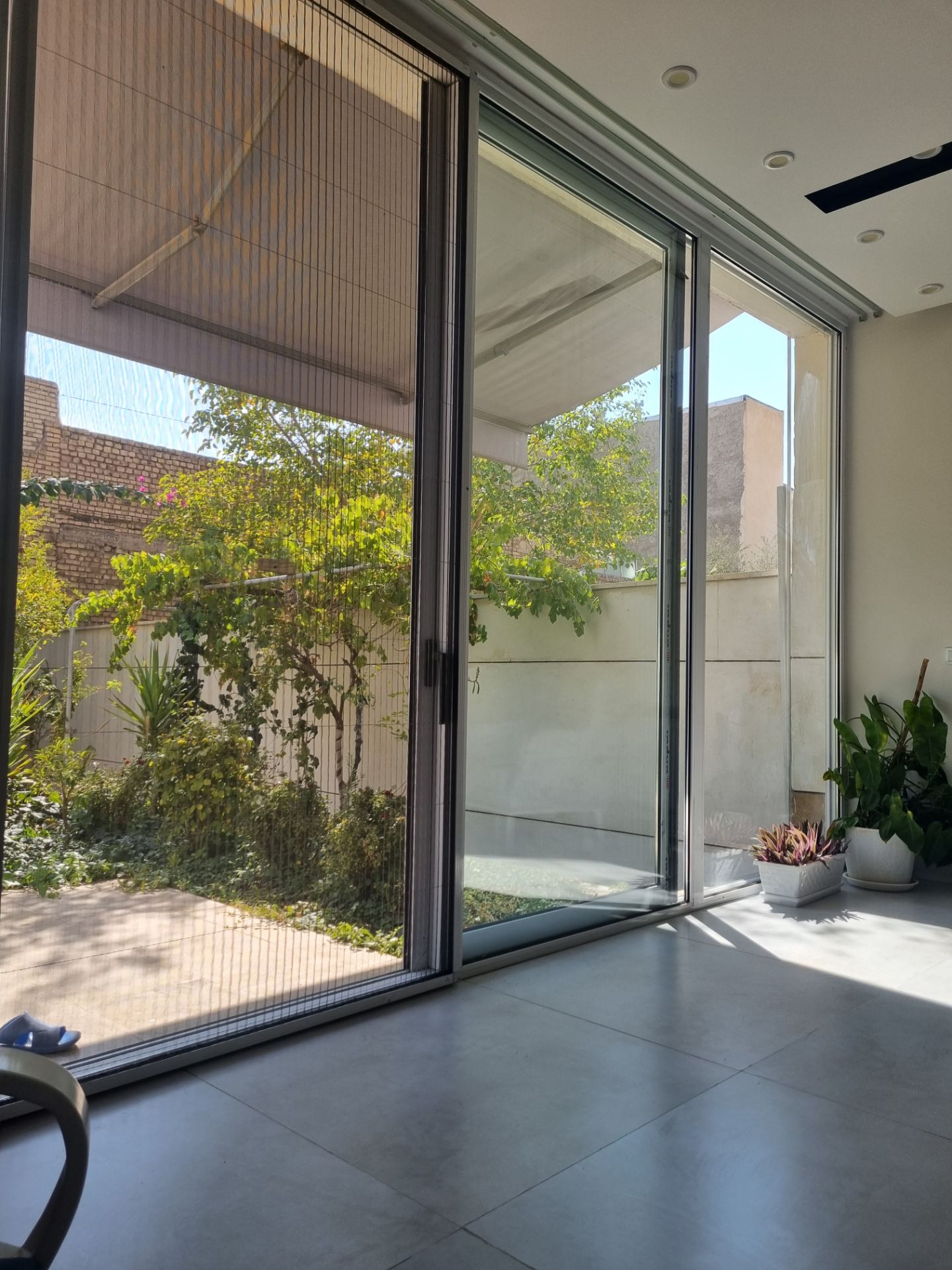
Manufacturing profiles aluminum facade , In the world of modern architecture and construction, the facade of a building plays a pivotal role in its aesthetic appeal, functionality, and overall sustainability. Aluminum facades have gained immense popularity for their ability to offer a seamless blend of contemporary design, durability, and energy efficiency. To achieve this harmonious combination, the manufacturing of aluminum profiles for facades is of paramount importance. In this article, we will delve into the process of manufacturing aluminum profiles for facades, highlighting their essential characteristics and advantages.
The Importance of Aluminum Facades
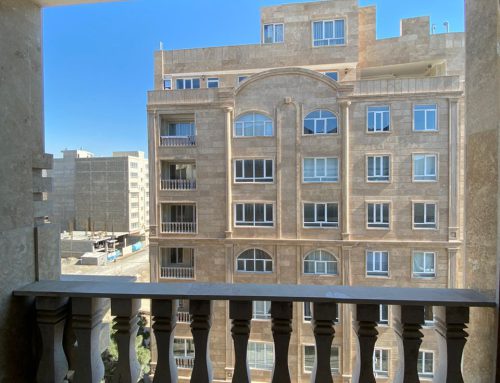
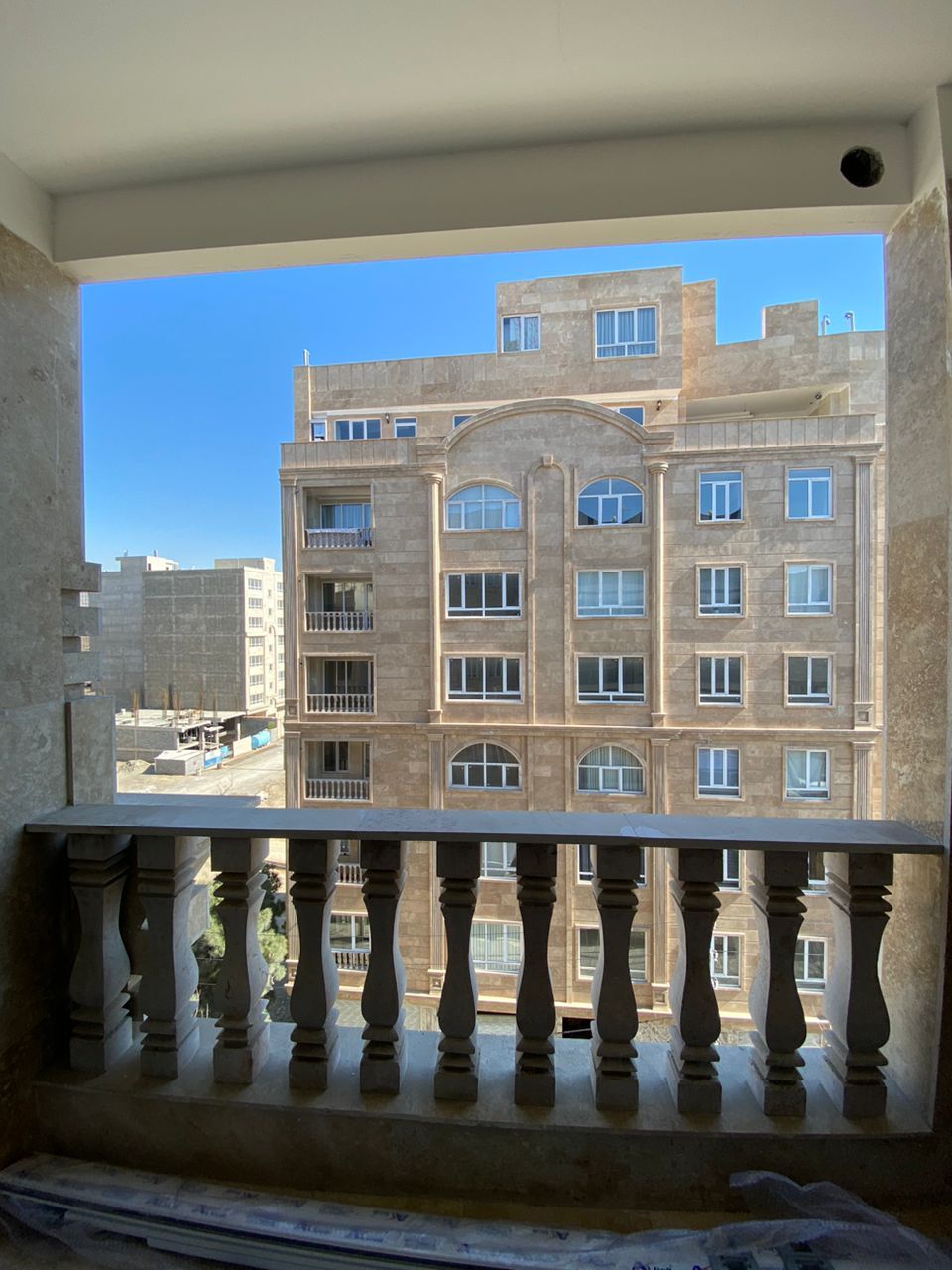
Aluminum facades have become a staple in architectural design for several compelling reasons. Notably, they offer excellent structural stability, weather resistance, and adaptability. Architects and designers are drawn to aluminum facades for their sleek, contemporary appearance, as well as their ability to create unique, eye-catching designs.
Manufacturing Aluminum Profiles
The manufacturing of aluminum profiles for facades is a highly specialized process, involving several steps to ensure both quality and precision. Here’s an overview of the key steps involved:
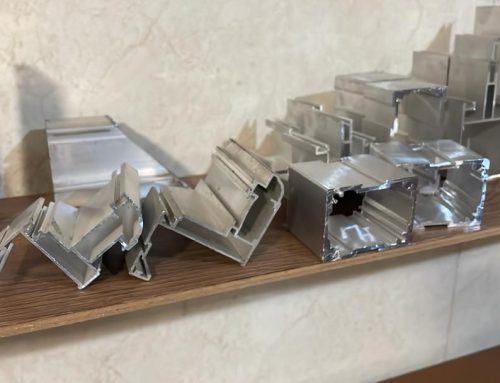
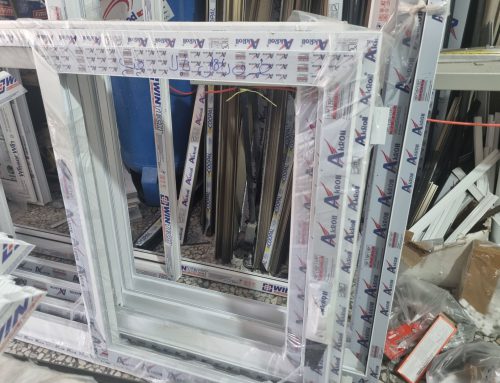
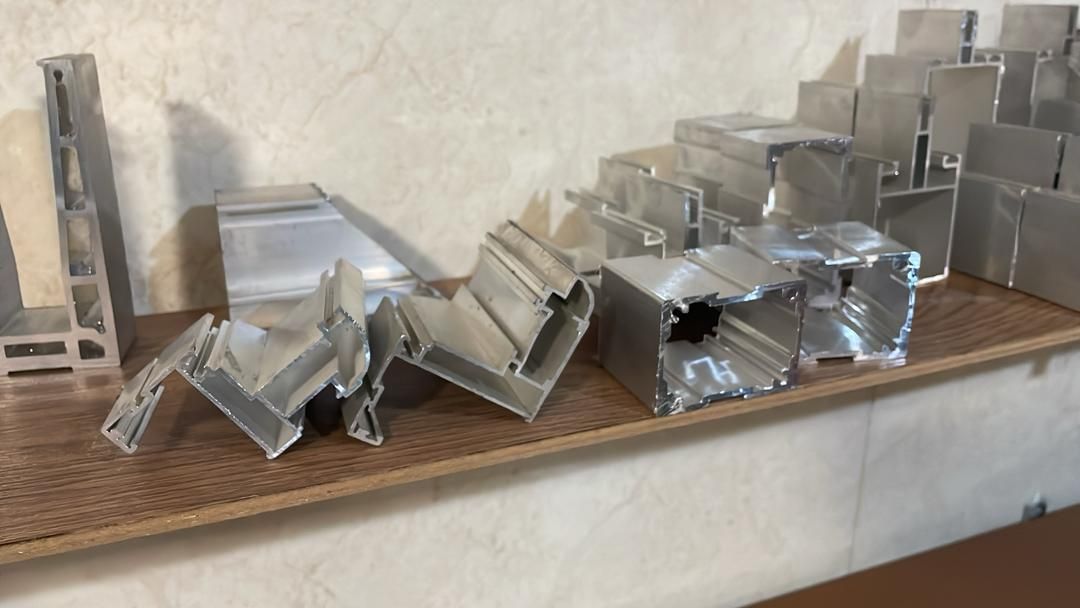
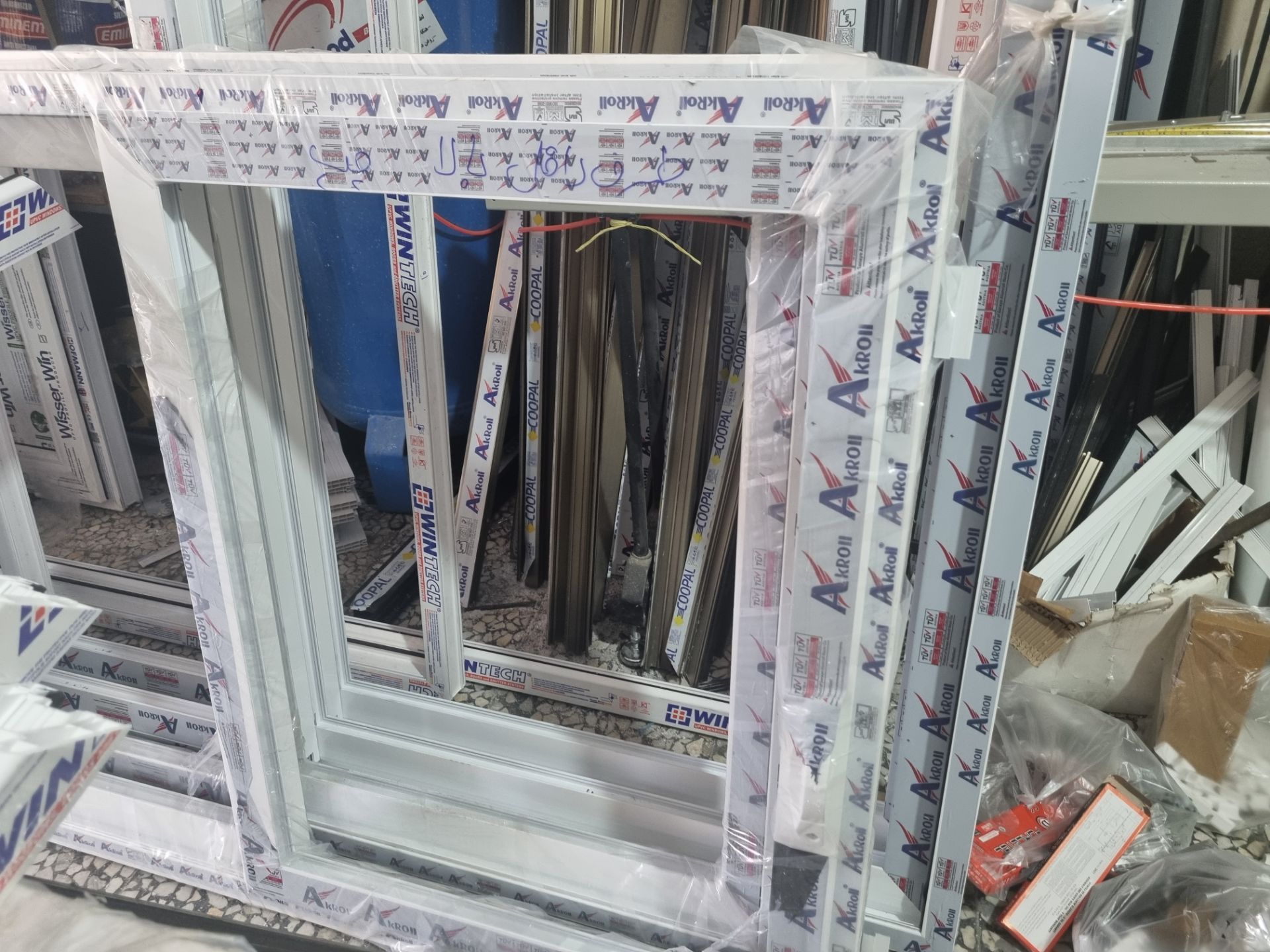
- Aluminum Extrusion: The foundation of aluminum profiles for facades lies in the extrusion process. Aluminum is heated and forced through a die to create specific shapes and sizes. This is the first step in forming the facade’s fundamental structure.
- Cutting and Machining: Once the basic profile is created, it’s cut and machined to the required dimensions. Precision is paramount to ensure seamless alignment during installation.
- Surface Treatment: Aluminum profiles are subjected to various surface treatments, including anodizing, powder coating, or painting. These treatments enhance the facade’s appearance while providing essential protection against corrosion and weathering.
- Thermal Break Technology: In many cases, aluminum profiles for facades incorporate thermal break technology, which involves inserting a non-conductive material between the internal and external aluminum sections. This technology enhances energy efficiency by preventing heat transfer.
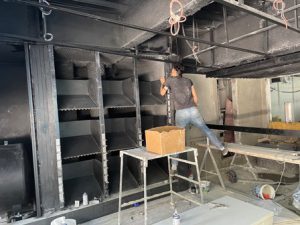
- Assembly and Glazing: Depending on the design and requirements of the facade, aluminum profiles may be assembled to create intricate shapes and configurations. Glazing, which involves adding glass panels or other materials, is an essential part of this step.
Advantages of Aluminum Facades
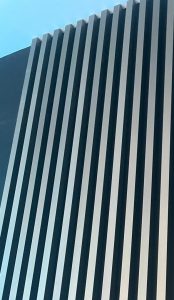
- Durability: Aluminum is known for its exceptional durability. It is resistant to corrosion, UV radiation, and extreme weather conditions, making it an ideal choice for long-lasting facades.
- Lightweight: Aluminum is lightweight, which reduces the structural load on the building. This feature is particularly advantageous in high-rise construction.
- Design Flexibility: Aluminum profiles can be customized to create a wide range of designs and aesthetics. Architects have the freedom to experiment with various shapes, colors, and finishes.
- Energy Efficiency: Aluminum profiles with thermal break technology offer superior insulation properties, contributing to energy-efficient building designs and reduced heating and cooling costs.
- Low Maintenance: Aluminum facades require minimal maintenance. Routine cleaning and inspections are usually sufficient to keep them looking pristine for many years.
- Sustainability: Aluminum is a recyclable material, and its recycling process consumes significantly less energy compared to its initial production. This makes aluminum facades an eco-friendly choice for sustainable construction.
The Future of Aluminum Facades
As we look to the future of architectural design and construction, aluminum facades will continue to play a pivotal role in shaping the urban landscape. The ongoing advancements in material science, manufacturing processes, and sustainability practices are poised to further enhance the qualities of aluminum facades.
- Innovative Designs: With advancements in computer-aided design and manufacturing technologies, architects and designers will continue to push the boundaries of what is possible with aluminum profiles. Complex geometric shapes, intricate patterns, and innovative integration of glass, metal, and other materials will become more common.
- Energy Efficiency: As sustainability becomes a central concern in the construction industry, aluminum facades will evolve to meet even higher energy efficiency standards. This includes the development of new thermal break technologies, improved insulation, and integrated solar solutions to harness renewable energy.
- Customization: Customization will remain a driving force in aluminum facade manufacturing. Architects and builders will have access to a wide array of surface finishes, colors, and profiles to ensure that the building facade perfectly complements the overall architectural vision.
- Sustainability Initiatives: Aluminum manufacturing for facades will continue to embrace sustainable practices, such as using recycled aluminum and reducing waste in the production process. The industry will also explore innovative methods to reduce the carbon footprint of aluminum production.
- Smart Integration: As smart building technology becomes more prevalent, aluminum facades will incorporate features that enhance building performance. This may include embedded sensors for climate control, automated shading systems, and self-cleaning surfaces.
- Global Expansion: The use of aluminum facades will extend beyond the realms of high-end architectural projects. As economies grow and urbanization continues, aluminum facades will become more prevalent in residential, commercial, and public infrastructure projects worldwide.
Challenges and Considerations
While aluminum facades offer a multitude of benefits, there are some challenges and considerations that need to be addressed to ensure their successful implementation in architectural projects:
- Cost: Aluminum, as a premium material, can be relatively expensive compared to other building materials. Architects and builders must carefully weigh the initial investment against the long-term savings and aesthetics that aluminum facades can provide.
- Maintenance: Although aluminum is known for its low maintenance requirements, it is not completely maintenance-free. Periodic inspections, cleaning, and upkeep are necessary to maintain the appearance and functionality of aluminum facades.
- Environmental Impact: The environmental impact of aluminum production, particularly in terms of energy consumption, is a concern. It is essential for the aluminum industry to continue improving its recycling practices and energy-efficient production methods.
- Local Regulations and Codes: Building codes and regulations may vary by region. Compliance with local requirements for structural integrity, fire resistance, and energy efficiency must be taken into account when using aluminum facades.
- Installation Expertise: Proper installation is crucial for the long-term performance of aluminum facades. Qualified professionals with experience in working with aluminum profiles should be employed to ensure a secure and aesthetically pleasing installation.
- Sourcing and Supply Chain: Secure and reliable sourcing of quality aluminum materials and profiles is vital. The supply chain for aluminum products should be transparent, and manufacturers must adhere to high standards in production and quality control.
Conclusion
Aluminum profiles for facades have revolutionized the world of architecture and construction. Their versatility, durability, and sustainability make them an ideal choice for creating striking, energy-efficient, and low-maintenance building exteriors. With ongoing innovations in manufacturing processes, customization options, and sustainability initiatives, aluminum facades will continue to shape the future of architectural design.
As the demand for energy-efficient and sustainable buildings grows, aluminum facades are well-positioned to meet these requirements. Architects, builders, and manufacturers must collaborate to address the challenges associated with aluminum facades and to leverage the material’s full potential. The aluminum facade industry will continue to play a significant role in shaping the skylines of cities and contributing to a more sustainable and visually appealing urban landscape for generations to come , Manufacturing profiles aluminum facade.

Leave A Comment