
Manufacturing aluminum products profile in modern facade
Introduction
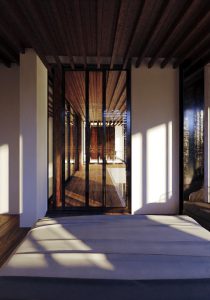
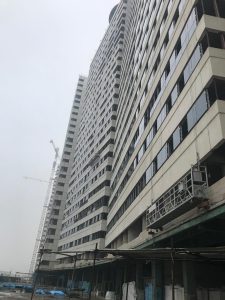
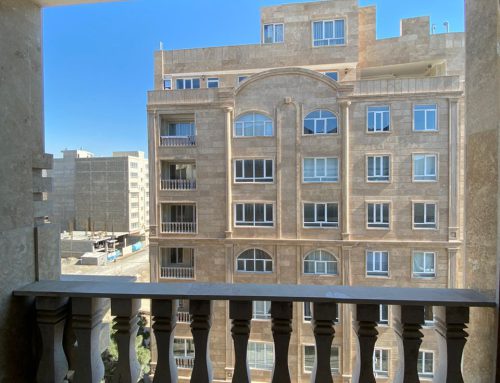
Manufacturing aluminum products profile in modern facade , In the realm of modern architecture, one of the most prominent and adaptable materials is aluminum. Its lightweight nature, corrosion resistance, and malleability make it an ideal choice for a wide range of applications. Among these, the use of aluminum products profiles in modern facades stands out as a testament to the material’s versatility and innovation in architectural design.
Aluminum: The Ideal Facade Material
The use of aluminum in the construction of modern facades has become increasingly prevalent in recent years. This shift is driven by the material’s numerous advantages, which include:
- Lightweight and Strong: Aluminum is exceptionally lightweight compared to other metals like steel, which allows architects to design more complex and innovative structures without overburdening the foundation. Despite its lightweight, aluminum is also remarkably strong, providing the structural integrity required for facades.
- Durability: Aluminum is highly resistant to corrosion, ensuring that the facade retains its appearance and structural integrity for many years. This durability is especially critical in buildings exposed to harsh environmental conditions or in coastal areas.
- Low Maintenance: Aluminum facades require minimal maintenance. They do not rust or corrode, reducing the need for ongoing repairs and repainting, ultimately lowering the lifetime cost of the building.
- Sustainability: Aluminum is an environmentally friendly choice. It can be recycled repeatedly without losing its inherent properties, making it an attractive option for architects and builders looking to reduce their environmental footprint.
The Versatility of Aluminum Profiles
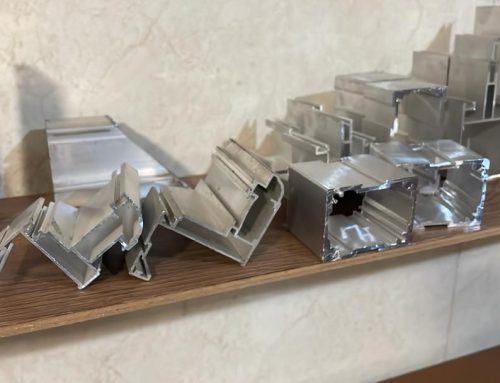
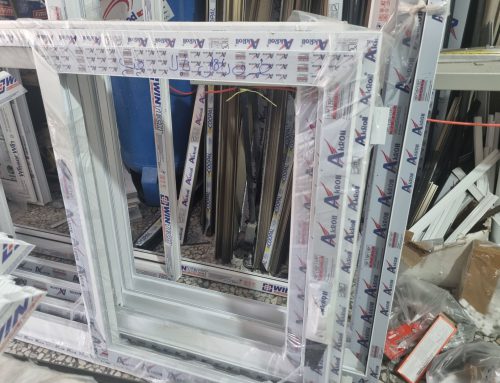
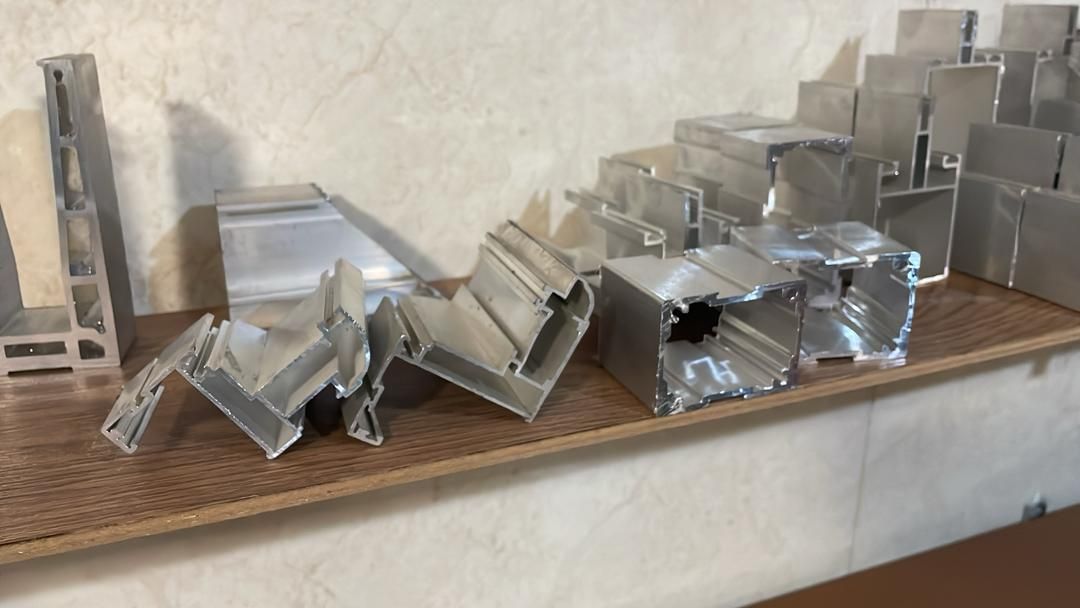
Aluminum profiles play a pivotal role in modern facade design. These profiles are specially designed, extruded shapes that allow architects to create stunning and functional designs. Some of the most common types of aluminum profiles used in modern facades include:
- Mullions and Transoms: Mullions are vertical or horizontal members used to support the glass or cladding panels. Transoms are the horizontal profiles that connect the mullions. These profiles provide structural support and help create the grid-like patterns often seen in modern facades.
- Sunshades: Aluminum profiles can be used to create sunshades or brise-soleil systems that help control sunlight, reduce glare, and enhance the building’s energy efficiency.
- Louvers: Aluminum louvers provide both aesthetic appeal and practical function by allowing ventilation, controlling light, and offering privacy when needed.
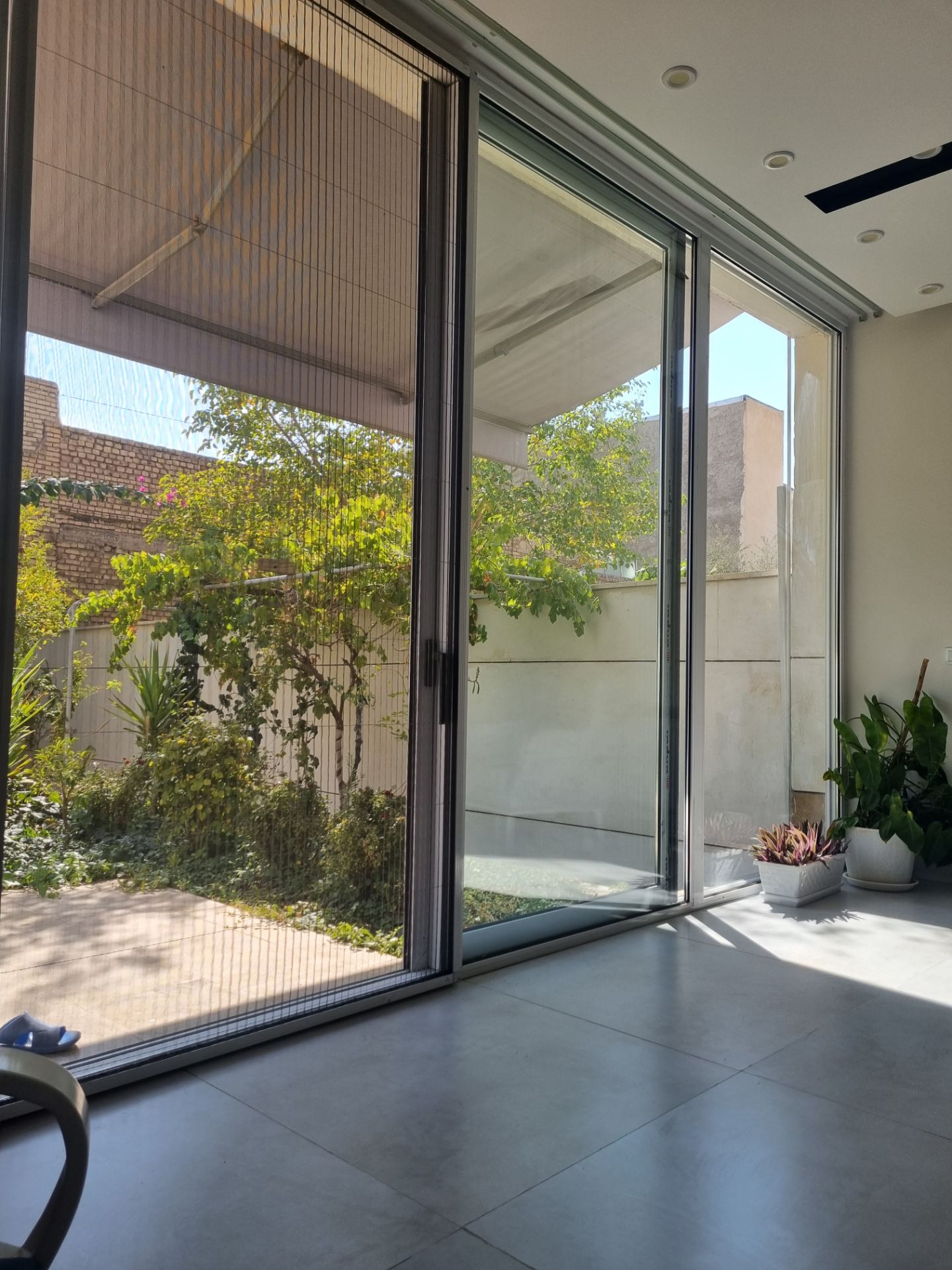
- Curtain Wall Systems: Curtain wall systems are an essential element in modern facade design. Aluminum profiles form the backbone of these systems, providing support for the building’s glazing and cladding materials.
- Cladding Systems: Aluminum profiles are used to attach and support cladding materials, such as metal panels, glass, or composite materials, giving the facade its distinctive appearance.
Modern Trends in Aluminum Profiles for Facades
Architectural innovation is continually pushing the boundaries of what can be achieved with aluminum profiles in facades. Here are some emerging trends:
- Sustainable Designs: With increasing focus on sustainability, aluminum profiles are being designed to accommodate solar panels, green walls, and other eco-friendly elements that enhance the building’s environmental performance.
- Customization: Architects are increasingly turning to custom-designed aluminum profiles that allow for unique and eye-catching facade designs. This customization offers limitless possibilities for creativity and individuality in modern architecture.
- Thermal Performance: Advanced thermal break technology is being incorporated into aluminum profiles to improve energy efficiency. These profiles help reduce heat transfer between the interior and exterior, thus contributing to lower energy consumption.
- Smart Facades: Integrated smart technology is becoming more common in modern facades. Aluminum profiles are being designed to accommodate sensors, lighting, and other smart systems that improve building functionality and user experience.
With the increasing demand for energy-efficient and sustainable buildings, aluminum profiles in modern facades are likely to evolve even further. Architects, engineers, and manufacturers are collaborating to develop cutting-edge solutions that improve the performance and visual appeal of these structures.
As aluminum profile technology advances, we can expect to see even greater integration of renewable energy sources, such as photovoltaic panels and wind turbines. This move towards “green” facades not only enhances a building’s energy efficiency but also makes a statement about our commitment to environmental stewardship.
Furthermore, the concept of “adaptive facades” is gaining traction. These facades use aluminum profiles with intelligent controls to adjust to changing environmental conditions. They can respond to variations in temperature, sunlight, and wind, optimizing the building’s energy usage and creating dynamic and responsive designs.
In the realm of sustainability, aluminum recycling remains a key focus. The circular economy approach promotes the reuse and recycling of aluminum products, reducing waste and conserving natural resources. As technology continues to improve, the recycling process becomes more efficient and cost-effective, making it an even more attractive choice for builders and architects.
The future of aluminum profiles in modern facades, it is essential to consider how these profiles are contributing to the overall quality of life for building occupants. With a growing emphasis on occupant comfort and well-being, modern facades are becoming more than just aesthetic features; they are designed to enhance the overall experience of those living and working within the buildings.
One of the emerging trends in this regard is the creation of biophilic facades, which utilize aluminum profiles to incorporate natural elements and greenery into the design. Vertical gardens, planters, and green walls not only enhance the visual appeal but also improve air quality, reduce noise, and create a connection to nature for occupants. These designs have been shown to boost productivity and overall well-being, aligning with the contemporary focus on healthier indoor environments.
Another aspect to consider is the role of aluminum profiles in enhancing energy efficiency. The integration of smart technologies allows for dynamic shading and ventilation systems, with profiles that adjust in real-time based on weather conditions, occupancy, and lighting. This not only reduces energy consumption but also creates a more comfortable and productive space for inhabitants. The ability to control natural light, air quality, and temperature through these smart facades contributes to a healthier and more sustainable future.
Additionally, the aesthetic potential of aluminum profiles is continuously expanding. Creative architects and designers are pushing the boundaries of what can be achieved with these materials, resulting in iconic and unique structures that redefine the skyline of our cities. Aluminum profiles can be an integral part of the overall architectural statement, serving as both a functional and artistic element of the facade.
In conclusion, aluminum products profiles in modern facades are a cornerstone of contemporary architectural innovation. They are not only practical and sustainable but also offer endless possibilities for artistic expression and the enhancement of occupant comfort. As we move forward into an era characterized by sustainability, technology, and occupant well-being, aluminum profiles will remain at the forefront of modern facade design, continually shaping the skylines and the quality of life in our built environments. The ongoing collaboration between architects, engineers, and manufacturers will drive further advancements, ultimately leading to even more remarkable and sustainable buildings in the future.

Leave A Comment