
List Aluminium profile materials use in building construction
Aluminium is a lightweight and versatile metal that has become increasingly popular in the construction industry in recent years. The use of aluminium profiles in building construction has become more prevalent due to the many benefits they offer. In this article, we will explore the various types of aluminium profiles used in construction, their properties, and the advantages they bring to building construction.
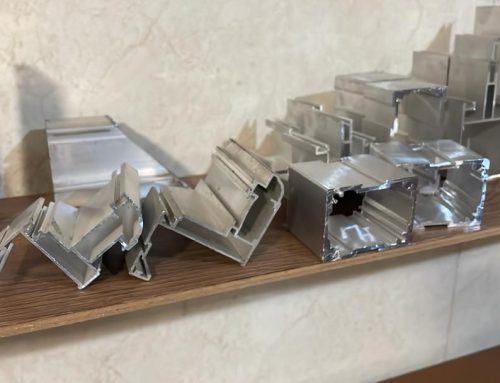
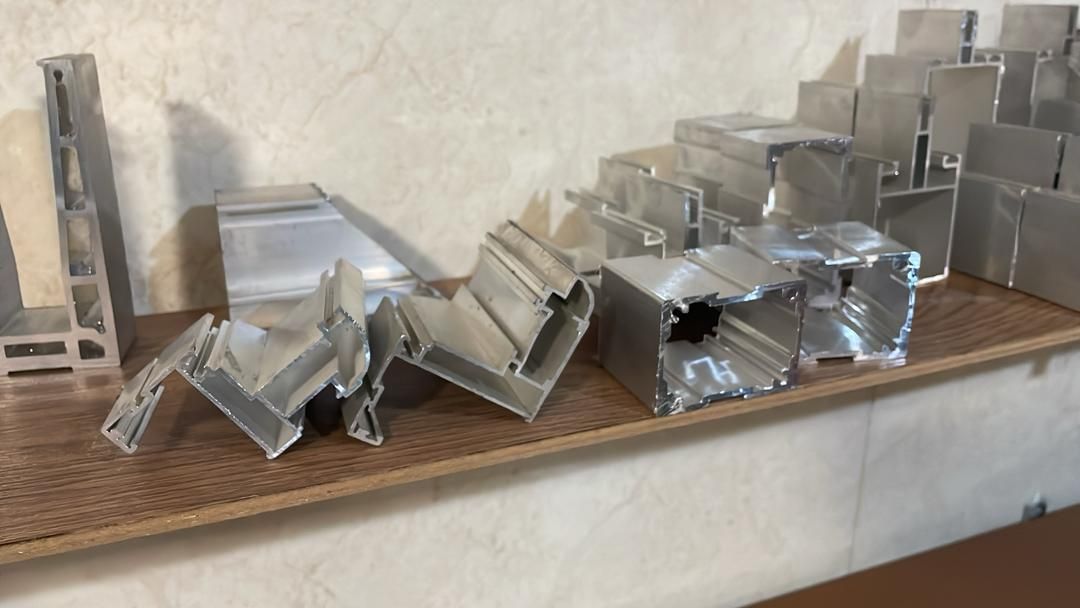
Aluminium profiles come in different shapes and sizes, and each profile has unique features that make them suitable for specific applications. Here are some of the commonly used aluminium profiles in building construction:
Aluminium Angle Profiles
Aluminium angle profiles are L-shaped profiles that are commonly used in building construction. They are often used to form corners and edges of walls and ceilings, and they also serve as reinforcement in structures. Aluminium angle profiles come in different sizes and thicknesses, and they are available in both standard and custom lengths.
One of the significant advantages of aluminium angle profiles is that they are lightweight and durable. They are also easy to work with and can be cut to size or bent to shape without cracking or breaking. Additionally, aluminium angle profiles are resistant to corrosion, making them ideal for use in coastal areas or buildings that are exposed to harsh weather conditions.
Aluminium Channel Profiles
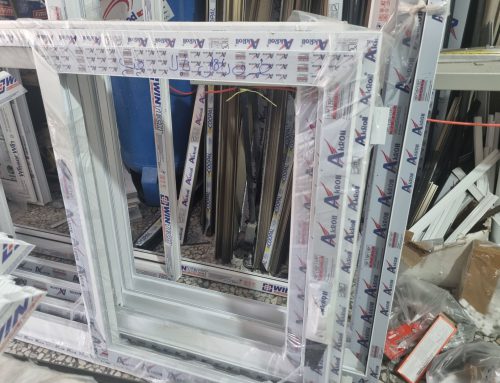
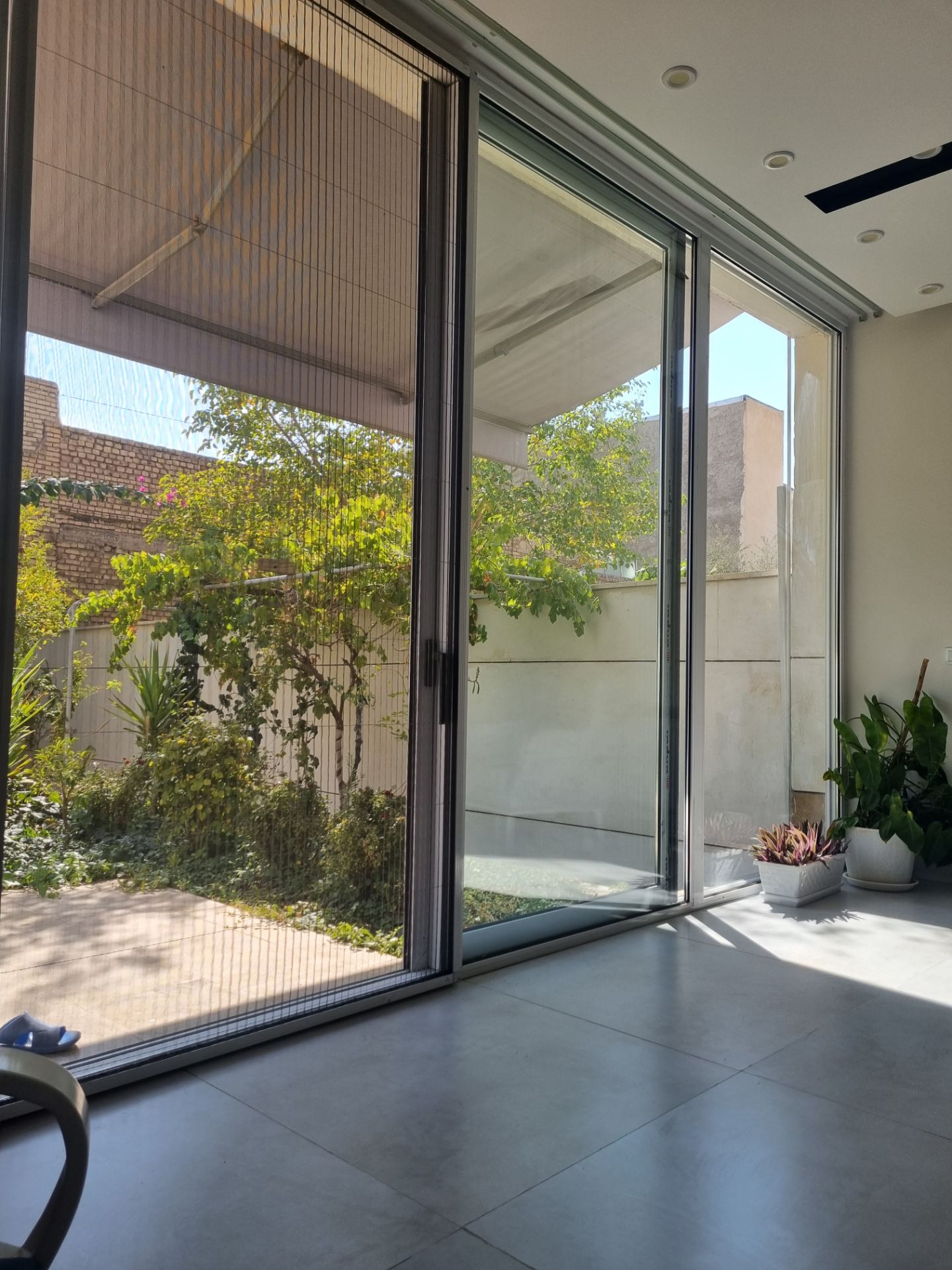
Aluminium channel profiles are U-shaped profiles that are commonly used in building construction. They are often used as frames for windows and doors, and they also serve as supports for cladding panels. Aluminium channel profiles come in different sizes and thicknesses, and they are available in both standard and custom lengths.
One of the significant advantages of aluminium channel profiles is that they are lightweight and strong. They are also easy to install and can be cut to size or bent to shape without losing their structural integrity. Additionally, aluminium channel profiles are resistant to corrosion, making them ideal for use in coastal areas or buildings that are exposed to harsh weather conditions.
Aluminium T-Section Profiles
Aluminium T-section profiles are T-shaped profiles that are commonly used in building construction. They are often used as supports for ceilings and roofs, and they also serve as reinforcement in structures. Aluminium T-section profiles come in different sizes and thicknesses, and they are available in both standard and custom lengths.
One of the significant advantages of aluminium T-section profiles is that they are lightweight and strong. They are also easy to install and can be cut to size or bent to shape without losing their structural integrity. Additionally, aluminium T-section profiles are resistant to corrosion, making them ideal for use in coastal areas or buildings that are exposed to harsh weather conditions.
Aluminium I-Section Profiles
Aluminium I-section profiles are I-shaped profiles that are commonly used in building construction. They are often used as beams and columns in structures, and they also serve as supports for heavy loads. Aluminium I-section profiles come in different sizes and thicknesses, and they are available in both standard and custom lengths.
One of the significant advantages of aluminium I-section profiles is that they are lightweight and strong. They are also easy to install and can be cut to size or bent to shape without losing their structural integrity. Additionally, aluminium I-section profiles are resistant to corrosion, making them ideal for use in coastal areas or buildings that are exposed to harsh weather conditions.

Aluminium Flat Bar Profiles
Aluminium flat bar profiles are rectangular-shaped profiles that are commonly used in building construction. They are often used as supports for cladding panels and as reinforcement in structures. Aluminium flat bar profiles come in different sizes and thicknesses, and they are available in both standard and custom lengths.
One of the significant advantages of aluminium flat bar profiles is that they are lightweight and strong. They are also easy to install and can be cut to size or bent to shape without losing their structural integrity. Additionally, aluminium flat bar profiles are resistant to corrosion, making them ideal for use in coastal areas or buildings that are exposed to harsh weather conditions.
Aluminium Round Tube Profiles
Aluminium round tube profiles are circular profiles that are commonly used in building construction. They are often used as frames for windows and doors, and they also serve as supports for handrails and balustrades. Aluminium round tube profiles come in different sizes and thicknesses, and they are available in both standard and custom lengths.
One of the significant advantages of aluminium round tube profiles is that they are lightweight and strong. They are also easy to install and can be cut to size or bent to shape without losing their structural integrity. Additionally, aluminium round tube profiles are resistant to corrosion, making them ideal for use in coastal areas or buildings that are exposed to harsh weather conditions.
Advantages of Using Aluminium Profiles in Building Construction
There are many advantages to using aluminium profiles in building construction. Here are some of the key benefits:
Lightweight – Aluminium is a lightweight metal that is easy to work with and transport. This makes it ideal for use in building construction, where heavy materials can be challenging to handle.
Durable – Aluminium is a durable metal that can withstand harsh weather conditions and is resistant to corrosion. This makes it ideal for use in coastal areas or buildings that are exposed to the elements.
Versatile – Aluminium profiles come in different shapes and sizes, making them versatile and suitable for various applications in building construction.
Easy to Install – Aluminium profiles are easy to install and can be cut to size or bent to shape without losing their structural integrity.
Cost-Effective – Aluminium profiles are cost-effective compared to other building materials such as steel or wood.
Recyclable – Aluminium is a recyclable material, making it an environmentally friendly option for building construction.
Conclusion
Aluminium profiles have become an increasingly popular choice in building construction due to their many benefits. They are lightweight, durable, versatile, easy to install, and cost-effective. The various types of aluminium profiles available make them suitable for a range of applications in building construction, from frames for windows and doors to supports for ceilings and roofs. Additionally, aluminium profiles are resistant to corrosion, making them ideal for use in coastal areas or buildings that are exposed to harsh weather conditions. Overall, the use of aluminium profiles in building construction is a smart choice for architects, builders, and property owners looking for a reliable and cost-effective solution.
List Aluminium profile materials use in building construction

Leave A Comment