
Curtain wall design profile PDF
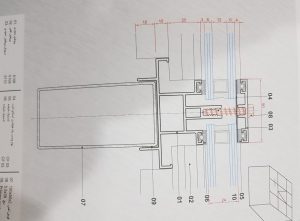
The world of architecture and construction has witnessed a remarkable evolution over the years, and one of the most prominent advancements is the curtain wall system. A curtain wall is a non-structural outer covering of a building that provides an appealing façade while safeguarding the interior from environmental elements. An integral aspect of curtain wall design is the profile, which defines the system’s aesthetic, structural, and functional characteristics. In this article, we delve into the intricacies of curtain wall design profiles, their significance, and provide illustrative PDF examples.
Understanding Curtain Wall Design Profiles:
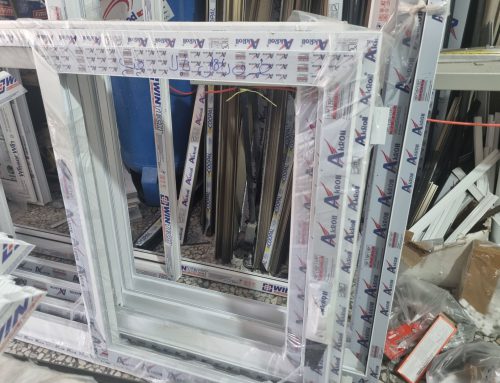
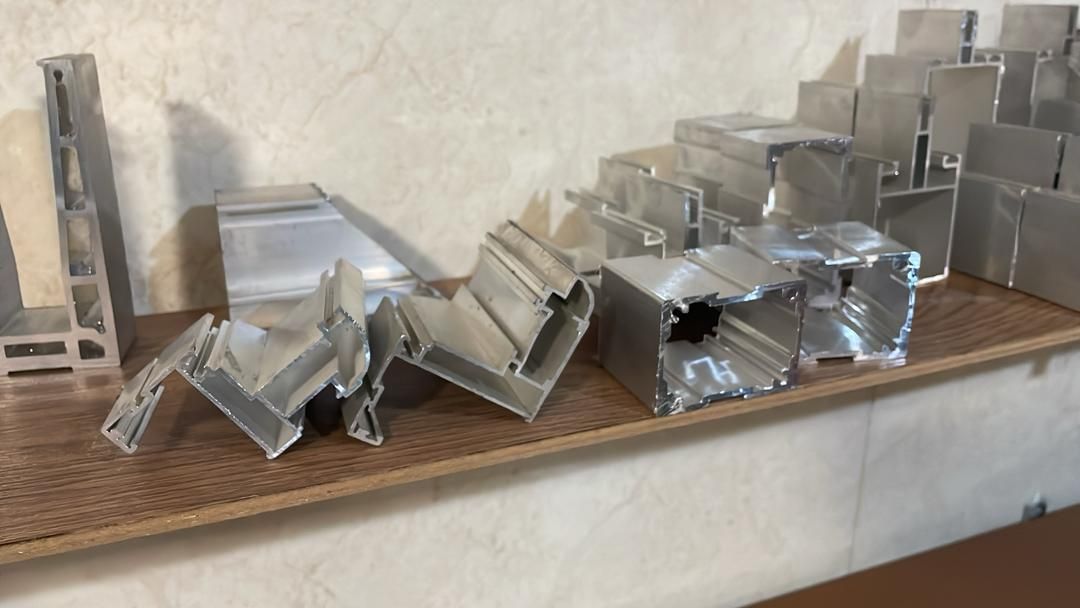
Curtain wall design profiles are the essential components that define the appearance and performance of a building’s exterior façade. They are responsible for creating the desired architectural style, managing light transmission, thermal efficiency, wind resistance, and rainwater management. The selection of a curtain wall profile plays a pivotal role in achieving the desired balance between aesthetics and functionality.
Key Considerations in Profile Design:
- Aesthetic Appeal: Curtain wall profiles come in various shapes, sizes, and materials, allowing architects to create unique and captivating building exteriors. From sleek and minimalistic designs to intricate and decorative elements, the choice of profile greatly influences a building’s visual identity.
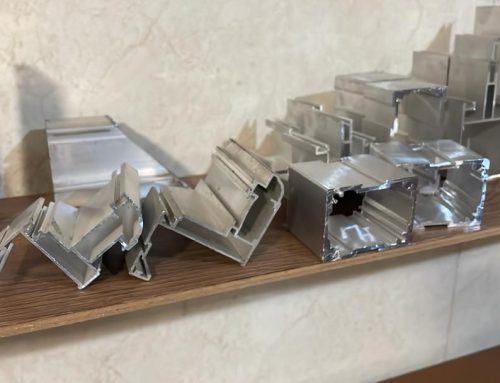
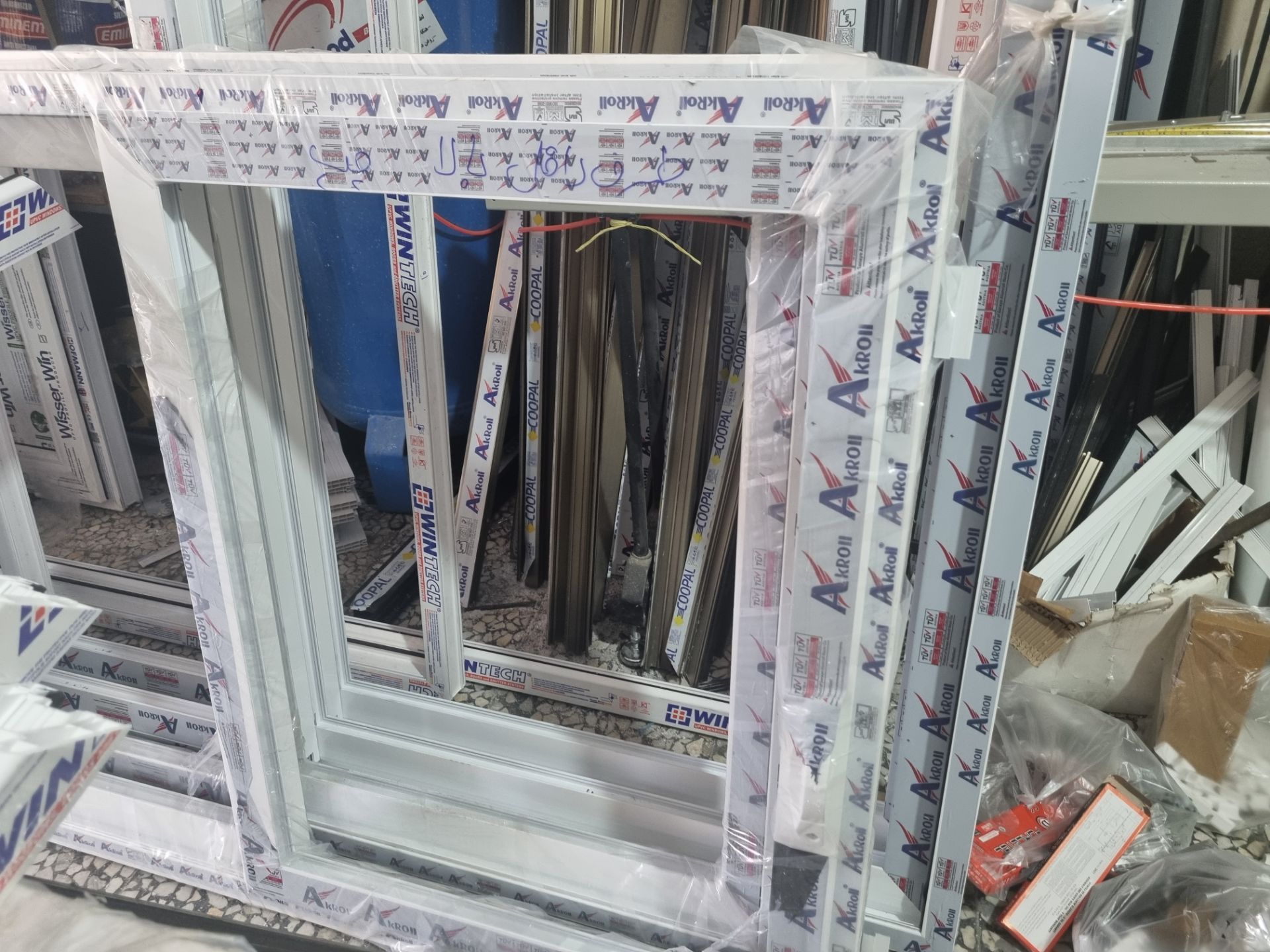
- Material Selection: Curtain wall profiles can be crafted from materials such as aluminum, steel, glass, and even composite materials. The material chosen impacts the system’s durability, thermal performance, and overall sustainability.
- Structural Integrity: The structural integrity of a curtain wall system relies on the design of the profiles. Well-designed profiles distribute loads effectively, ensuring that the building envelope can withstand wind pressures, seismic forces, and other external loads.
- Thermal Efficiency: Energy efficiency is a critical consideration in modern architecture. Curtain wall profiles with appropriate thermal breaks and insulation can significantly contribute to a building’s energy performance by reducing heat transfer and minimizing heating and cooling costs.
- Weather Resistance: Curtain wall profiles must be designed to withstand harsh weather conditions. Proper drainage systems within the profiles prevent water infiltration, and well-sealed joints protect against air leakage.
- Installation and Maintenance: The ease of installation and subsequent maintenance of curtain wall systems are influenced by profile design. Simplified installation methods and accessibility for maintenance activities are essential aspects to consider.
Illustrative PDF Examples:
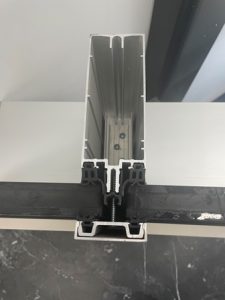
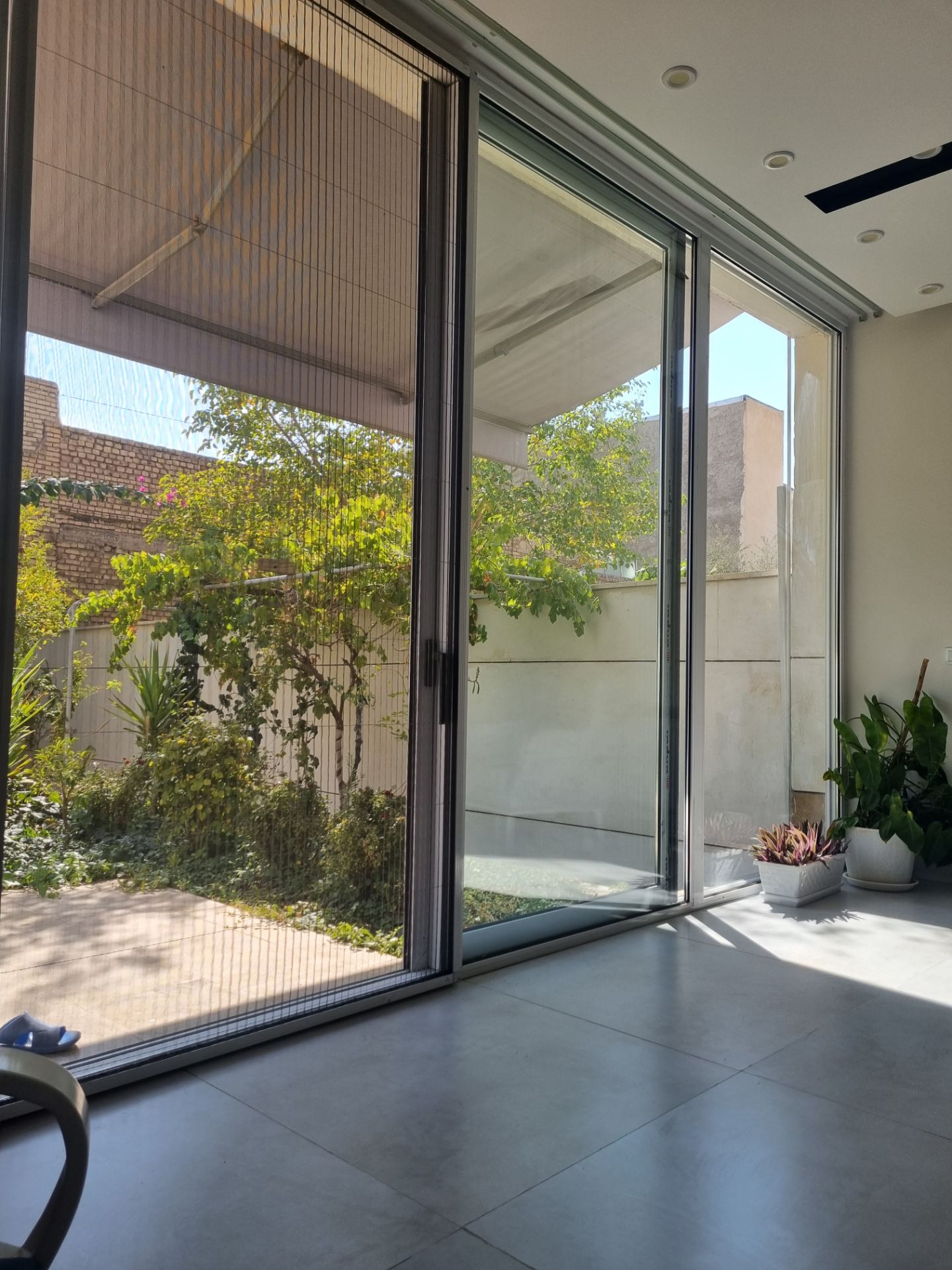
- Sleek and Modern Design: PDF Example – This profile exemplifies contemporary architecture with its clean lines and large glass panels. It promotes natural light intake while maintaining energy efficiency through advanced thermal breaks.
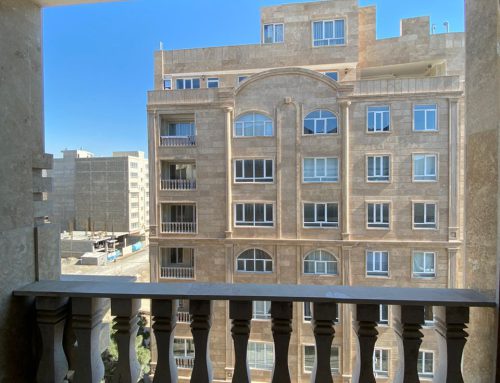
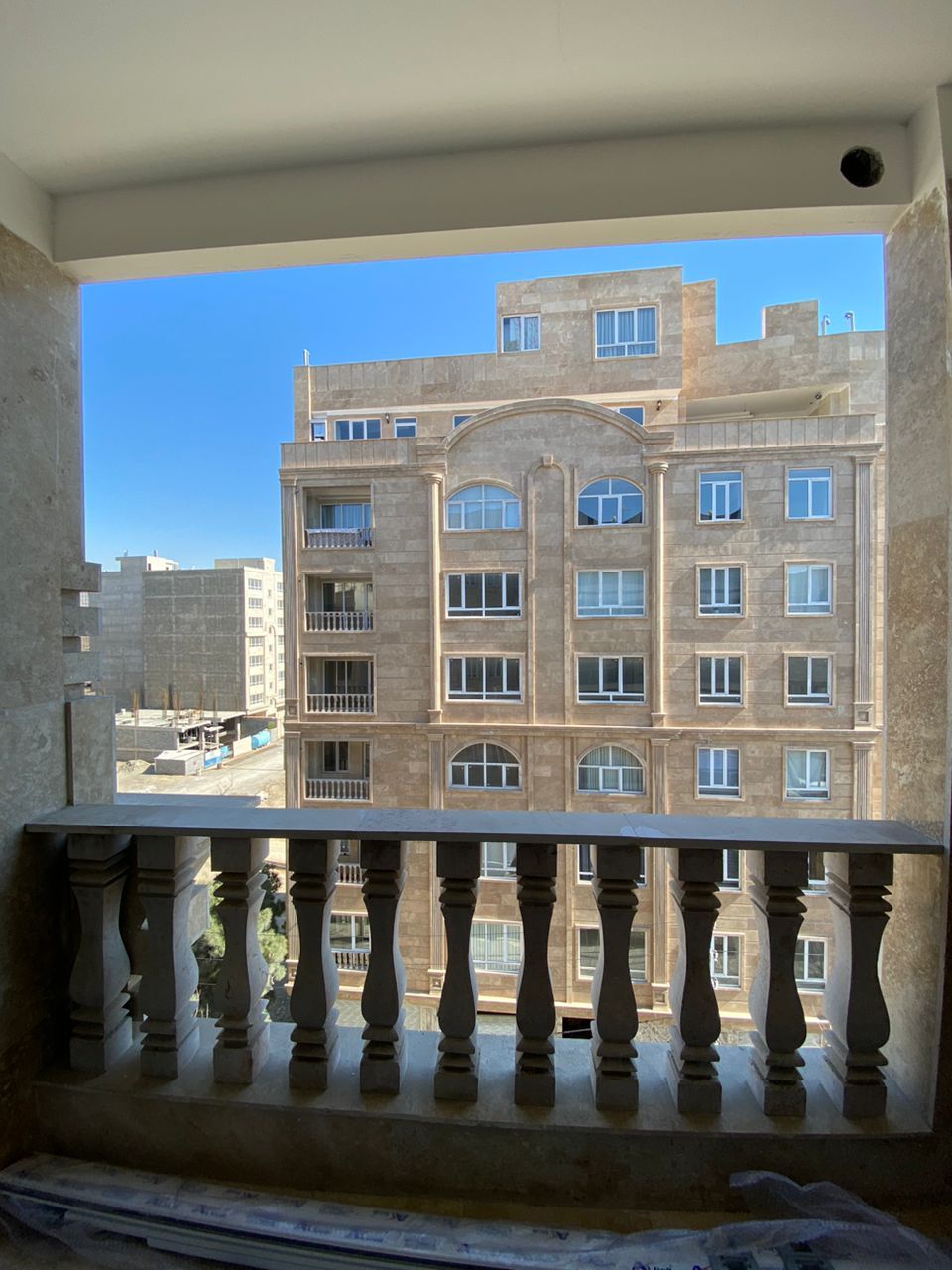
- Heritage Revival Profile: PDF Example – In this profile, intricate detailing evokes a sense of historical charm. The design seamlessly integrates modern performance standards with a traditional aesthetic.
- High-Rise Wind-Resistant Profile: PDF Example – Engineered for skyscrapers, this profile demonstrates a robust design that accounts for wind loads. It ensures stability and safety in high-wind environments.
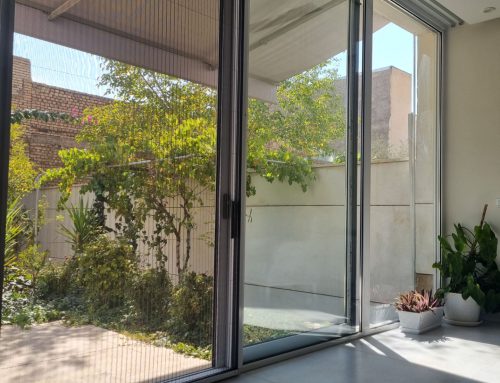
- Minimalistic Residential Profile: PDF Example – This profile suits residential structures with its emphasis on privacy and comfort. The design maximizes energy efficiency while providing a serene living space.
Future Trends in Curtain Wall Design:
As technology advances and sustainability becomes a central concern in architecture, curtain wall design is also undergoing significant transformations. Here are a few future trends to watch for:
- Smart Integration: Curtain walls are becoming smarter with the integration of sensors, actuators, and automation systems. These systems can adjust the transparency of glass panels, control lighting based on natural light levels, and even harvest energy from the environment.
- Biophilic Design: Incorporating natural elements and patterns into curtain wall designs can improve occupants’ well-being by connecting them with nature. Future profiles might include features like planters, biomimetic patterns, and green materials.
- Interactive Façades: Technological advancements are allowing curtain walls to become interactive displays. These displays can showcase art, information, or dynamic visual effects, transforming buildings into dynamic canvases.
- Renewable Energy Integration: Curtain walls could increasingly incorporate solar panels, wind turbines, or other renewable energy solutions, contributing to a building’s energy generation and sustainability.
- 3D Printing and Customization: Emerging technologies like 3D printing could revolutionize curtain wall design. Architects might have the ability to customize intricate profiles that were previously difficult or impossible to manufacture.
In Conclusion:
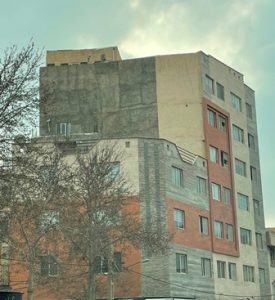
Curtain wall design profiles are more than just functional elements; they are the visual and performance-driven heart of modern architectural masterpieces. By skillfully blending aesthetics, technology, and sustainability, architects can create buildings that stand as testaments to innovation and creativity. As the architectural landscape evolves, curtain walls will continue to push boundaries, offering endless opportunities for captivating designs that harmonize with their surroundings while delivering optimal performance and functionality. Whether through sleek minimalism, historic revival, or futuristic innovation, curtain wall design profiles are shaping the buildings of today and tomorrow,Curtain wall design profile PDF.

Leave A Comment