
Aluminium vertical louvers facade
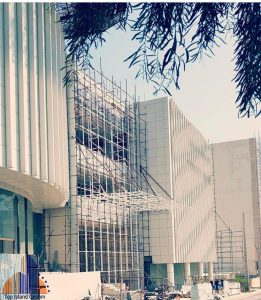
The use of Aluminium vertical louvers in facades is becoming increasingly popular among architects and building owners. These vertical louvers are a type of shading device that is installed on the exterior of a building to reduce solar heat gain and glare, while also allowing natural light to filter into the interior spaces. In this article, we will explore the benefits of Aluminium vertical louvers in facades, the design considerations for their installation, and some of the innovative applications of this technology.
Benefits of Aluminium Vertical Louvers Facade
One of the most significant benefits of Aluminium vertical louvers is their ability to reduce solar heat gain in a building. By shading the exterior of the building, the louvers help to block out direct sunlight and keep the interior spaces cooler. This not only improves the comfort of the occupants, but it also reduces the need for air conditioning, which can lead to significant energy savings.
Another benefit of Aluminium vertical louvers is their ability to control glare. The louvers are designed to filter the natural light that enters the building, reducing the intensity of the sunlight and creating a more comfortable environment for the occupants. This is particularly important in spaces that require a lot of screen time, such as offices and classrooms.
Aluminium vertical louvers also provide privacy for the occupants of the building. They can be used to create a barrier between the interior spaces and the outside world, allowing the occupants to control their visibility and exposure to the outside environment. This can be particularly important in densely populated urban areas where privacy can be a concern.
Design Considerations for Aluminium Vertical Louvers Facade
When designing a building with Aluminium vertical louvers, there are several factors to consider. One of the most important considerations is the orientation of the building. The louvers should be installed on the façade that receives the most direct sunlight, which is usually the south-facing façade in the northern hemisphere and the north-facing façade in the southern hemisphere. This will maximize the shading effect of the louvers and reduce solar heat gain in the building.
Another important consideration is the spacing of the louvers. The spacing should be carefully chosen to balance the need for shading with the desire for natural light. If the spacing is too tight, the natural light will be blocked out, which can create a dark and oppressive environment. If the spacing is too wide, the shading effect will be reduced, which can lead to increased solar heat gain and glare.
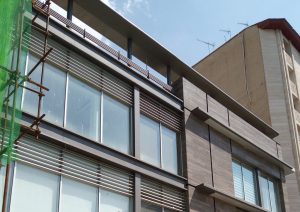
The size and shape of the louvers are also important considerations. The louvers should be designed to match the scale and proportion of the building, and to create a visual harmony with the surrounding environment. They can be arranged in a variety of configurations, including horizontal, vertical, and angled, to achieve the desired shading effect and visual impact.
Innovative Applications of Aluminium Vertical Louvers Facade
Aluminium vertical louvers have been used in a variety of innovative ways to enhance the function and aesthetics of buildings. One example of this is the use of dynamic louvers, which are designed to move in response to changes in the sun’s position and the weather conditions. These dynamic louvers can be controlled by a computer system that adjusts their angle and position throughout the day, providing optimal shading and natural light to the interior spaces.
Another innovative application of Aluminium vertical louvers is their use as a decorative element. The louvers can be designed in a variety of shapes and colors to create a unique and visually striking façade. They can also be used to create patterns and textures on the building’s exterior, adding depth and interest to the design.
Aluminium vertical louvers have also been used in conjunction with other sustainable building strategies, such as green roofs and photovoltaic panels. By combining these strategies, building owners can create a truly sustainable and energy-efficient building that meets the needs of the occupants while also reducing its impact on the environment.
When used in combination with green roofs, Aluminium vertical louvers can help to reduce the heat island effect in urban areas. Green roofs are planted with vegetation that absorbs heat and provides natural insulation, which can reduce the overall temperature of the building and the surrounding environment. The louvers can be used to shade the green roof, creating an optimal growing environment for the vegetation.
Similarly, when used in combination with photovoltaic panels, Aluminium vertical louvers can help to maximize the efficiency of the solar panels. The louvers can be positioned to provide shading for the panels during the hottest parts of the day, which can prevent overheating and increase the efficiency of the panels. This can lead to increased energy savings and a more sustainable building overall.
Conclusion
Aluminium vertical louvers are a highly versatile and effective shading device that can be used to enhance the comfort, privacy, and energy efficiency of buildings. They provide an excellent solution for reducing solar heat gain, controlling glare, and providing privacy for occupants. When designed and installed correctly, they can also add a unique and visually striking element to the building’s exterior. By combining Aluminium vertical louvers with other sustainable building strategies, building owners and architects can create truly innovative and sustainable buildings that meet the needs of the occupants while minimizing their impact on the environment.
Overall, the use of Aluminium vertical louvers in facades is an excellent example of the potential of sustainable building practices. As the demand for sustainable buildings continues to grow, it is likely that we will see even more innovative and creative applications of this technology in the future. By investing in sustainable building strategies like Aluminium vertical louvers, we can create a better and more sustainable future for ourselves and for future generations.

Leave A Comment