
Selling Different Types of Aluminum Profiles Globally

Introduction to Aluminum Profiles
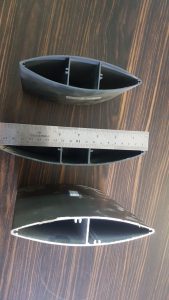
Selling Different Types of Aluminum Profiles Globally Aluminum profiles are essential in modern construction, manufacturing, and industrial applications due to their lightweight, strength, and corrosion resistance. These extruded shapes, available in various forms such as L-shaped, T-shaped, rectangular, and custom profiles, are widely used in windows, doors, curtain walls, machinery, and electronics. With globalization and expanding international markets, exporting aluminum profiles offers lucrative opportunities for manufacturers and distributors.
Types of Aluminum Profiles for Export
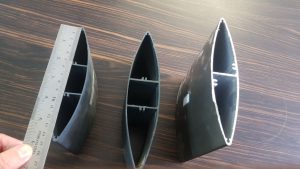
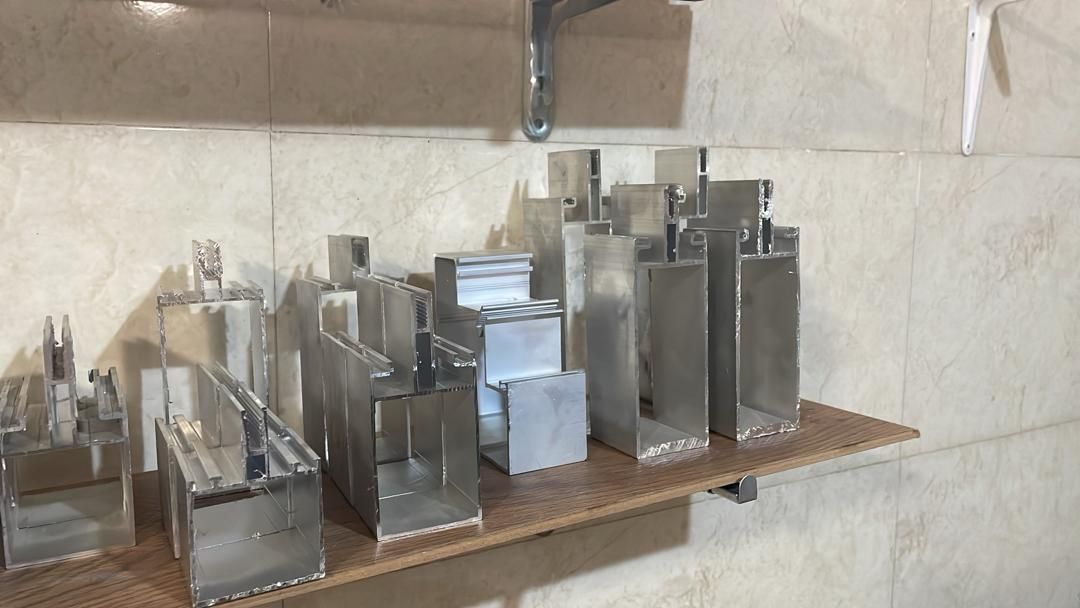
Exporters should be familiar with the variety of profiles to target different market needs:
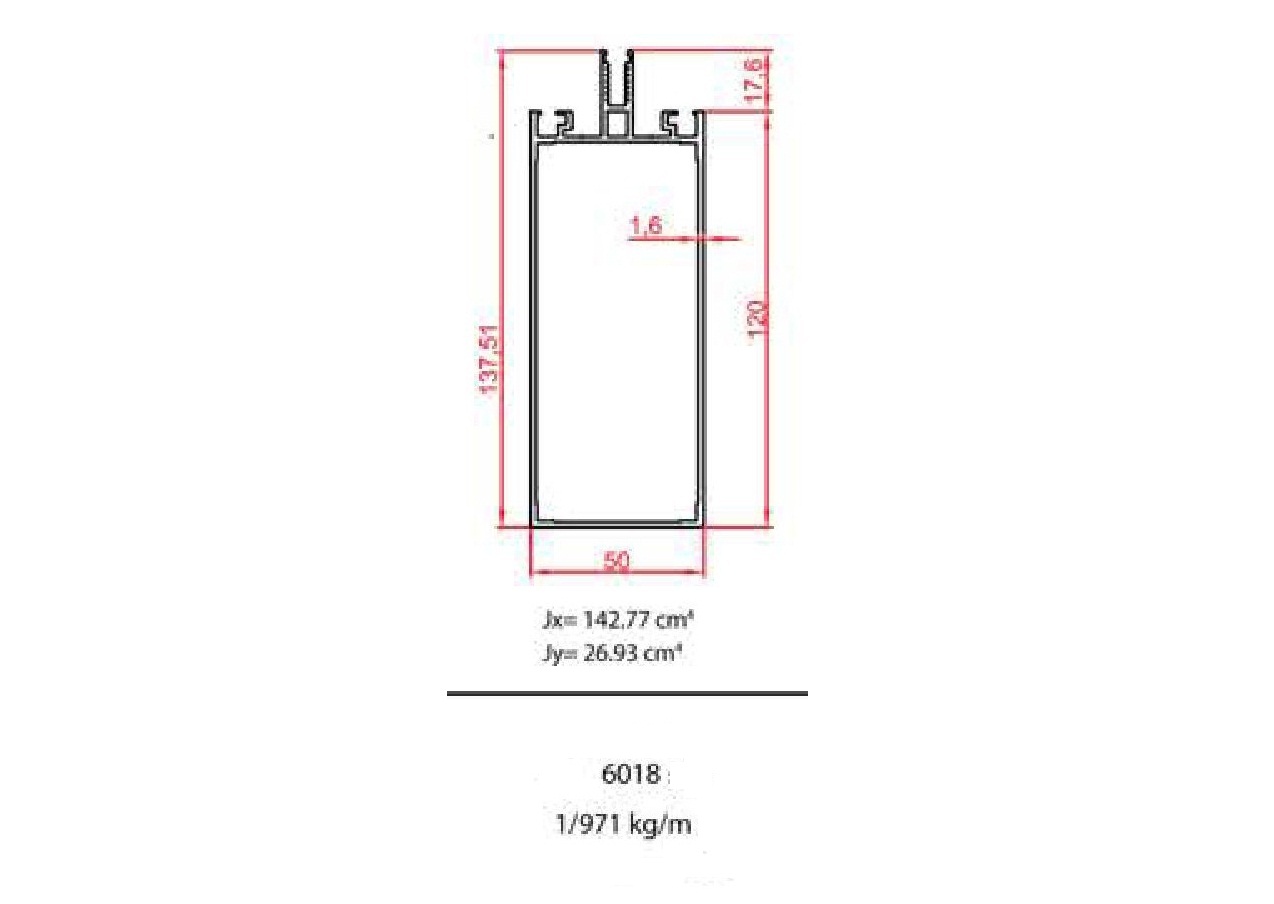
- Standard Profiles: Used in residential and commercial windows, doors, and furniture frames. These profiles are widely accepted internationally due to their standardization.
- Thermal Break Profiles: Include a special insulating layer that improves energy efficiency, making them highly suitable for colder climates or energy-conscious construction projects.
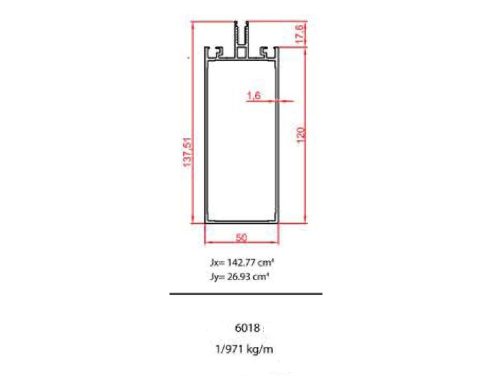
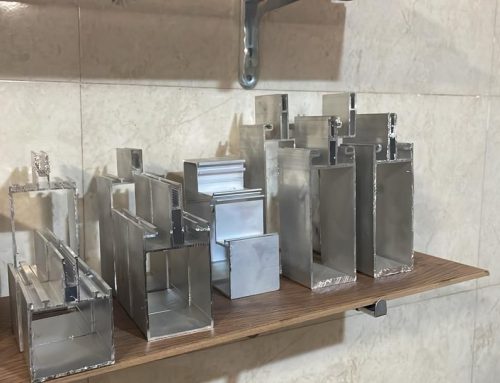
- Structural Profiles: Heavy-duty sections designed for industrial frameworks, curtain walls, and construction scaffolding. They require precision and compliance with safety standards.
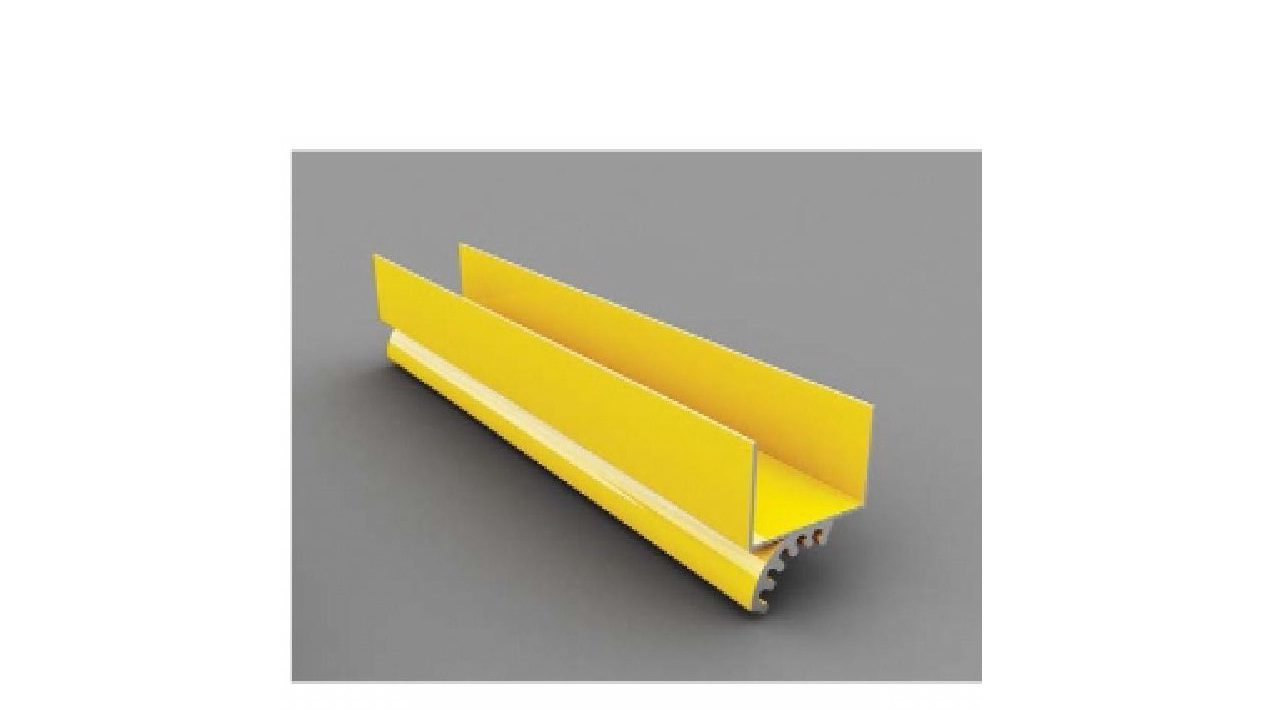
- Decorative Profiles: Lightweight and aesthetic designs for interior and exterior finishes, offering both function and style.
- Custom Profiles: Tailored to client specifications for specialized machinery, automotive parts, and electronics enclosures.
Understanding Global Market Demand
Several factors drive the international demand for aluminum profiles:
- Construction and infrastructure projects in urban and emerging areas.
- Energy-efficient building solutions, increasing demand for thermal break profiles.
- Automotive and aerospace industries requiring lightweight and durable components.
- Electronics and consumer products that need precise, high-quality aluminum components.
- Green initiatives and sustainable building practices globally.
Recognizing these trends allows exporters to focus resources on high-demand markets, maximizing profitability.
Advantages of Exporting Aluminum Profiles
Expanding into international markets offers multiple benefits:
- Revenue Growth: Accessing international clients allows higher volume sales and potentially better margins.
- Diversification: Reduces dependency on domestic sales and spreads business risk across markets.
- Brand Recognition: International exposure enhances credibility and opens opportunities for collaborations and partnerships.
- Long-Term Contracts: Many global clients prefer long-term supply agreements, providing stable revenue streams.
Challenges in Exporting Aluminum Profiles
Despite opportunities, exporters face several challenges:
- Regulatory Standards: Countries often have specific certifications, testing requirements, and safety standards that must be met.
- Shipping and Logistics: Aluminum profiles can be long and bulky, requiring careful handling and packaging.
- Market Competition: Established international suppliers may dominate the market, requiring competitive pricing and consistent quality.
- Currency and Payment Risks: Fluctuating exchange rates and payment terms can impact profitability.
- Documentation and Customs: Incorrect paperwork or lack of proper certifications can cause shipment delays or rejection.
Strategies for Successful Global Sales
1. Conduct Market Research
Identify countries with high demand and fewer local manufacturers. Study customer preferences, standards, and competitors to determine the best entry strategy.
2. Obtain Quality Certifications
ISO certifications, CE marking, and local approvals enhance trust and ease market entry. High-quality standards are often mandatory for exports to Europe, North America, and other strict markets.
3. Optimize Packaging and Transportation
Aluminum profiles must be protected against scratches, bending, and corrosion. Using protective films, wooden crates, and secure strapping ensures safe delivery, reducing potential losses.
4. Competitive Pricing and Payment Terms
Exporters need to balance quality and cost. Offering bulk discounts, flexible payment options, and favorable shipping terms can make offers more attractive to international buyers.
5. Establish Local Partnerships
Working with distributors or agents familiar with local markets improves market penetration. They assist with sales, legal compliance, and customer relations.
Regional Insights
Each global region has unique demands and requirements:
- Europe: Strong focus on energy-efficient and thermal break profiles. Compliance with EU standards is essential.
- North America: Demand for construction, industrial, and automotive applications. Emphasis on quality and reliable supply chains.
- Asia: Rapid urbanization drives demand for both standard and custom profiles. Competitive pricing is critical.
- Middle East: Hot climates favor thermal break profiles. Large-scale construction projects offer substantial opportunities.
- Africa & Latin America: Emerging infrastructure and industrial sectors are growing markets. Flexibility and adaptability are key to entering these regions.
Marketing and Promotion Strategies
Successful export requires strong marketing efforts:
- Participation in international trade shows and exhibitions.
- Maintaining an informative, multilingual website with product catalogs and technical specifications.
- Leveraging B2B platforms for lead generation and outreach.
- Sharing case studies, testimonials, and references to build credibility.
- Providing technical support and consultation to international clients for customized solutions.
Logistics and Supply Chain Management
Proper planning of logistics and supply chains is crucial for timely delivery and cost efficiency:
- Selecting reliable freight forwarders with experience in aluminum profile shipping.
- Optimizing container loading and packaging to reduce costs and damage risks.
- Implementing anti-corrosion measures and cushioning materials for transit protection.
- Ensuring complete documentation for customs clearance to avoid delays.
Customer Relationship and Support
Maintaining strong relationships with international clients is vital for repeat business. This includes:
- Timely and transparent communication regarding orders and delivery schedules.
- Technical assistance for installation, maintenance, or customization.
- Regular follow-ups to understand client needs and satisfaction levels.
- Offering after-sales support to build trust and long-term partnerships.
Future Trends in Aluminum Profile Exporting
The global aluminum profile market is evolving due to technological advancements and sustainability initiatives. Emerging trends include:
- Growth in demand for energy-efficient thermal break profiles.
- Integration with smart buildings and automated construction solutions.
- Increased use in electric vehicles, transportation, and industrial machinery.
- Expansion into emerging markets with urbanization and industrialization.
- Focus on environmentally friendly production and recyclable materials.
Conclusion
Exporting aluminum profiles to international markets offers significant growth potential for manufacturers. Understanding product types, market demands, certification requirements, and logistics challenges is critical for success. By implementing strategic marketing, ensuring high-quality production, building strong customer relationships, and adapting to emerging trends, businesses can expand their global presence and maximize profitability. International trade of aluminum profiles is not just an opportunity—it is a pathway to sustainable and scalable business growth.

Leave A Comment