
How to Market Various Aluminum Profile Sections Globally

Introduction
Aluminum profiles are highly versatile and widely used across various industries, from construction and architecture to transportation, machinery, and electronics. Their lightweight, durability, and resistance to corrosion make them an ideal choice for many applications. With the expansion of international markets and global trade, marketing aluminum profiles effectively to clients around the world has become a critical factor for business growth.
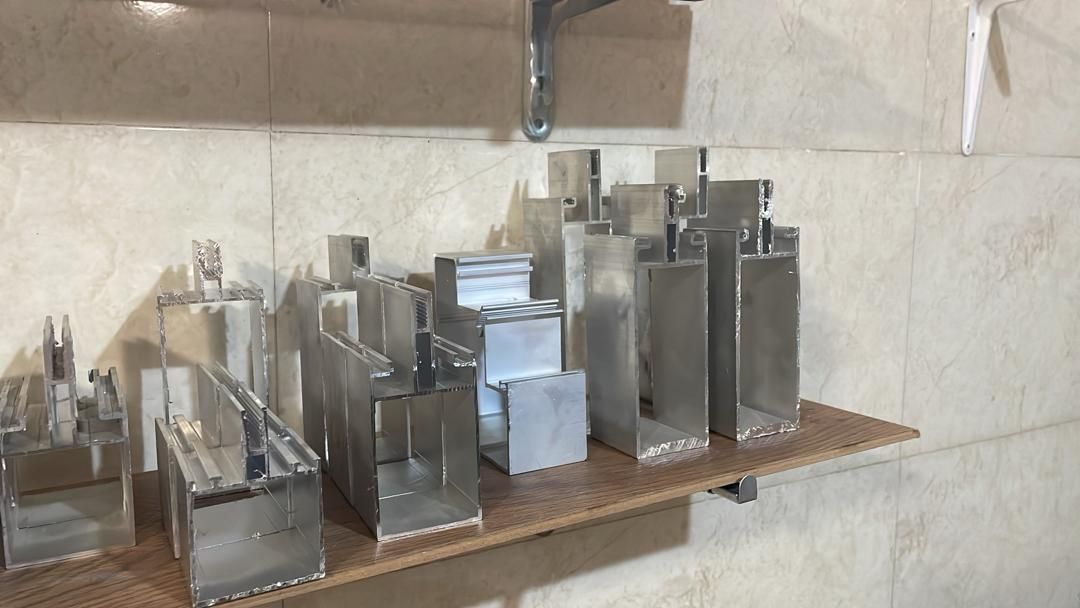
Understanding Aluminum Profile Types

Exporters and marketers must be aware of different profile types to target the right audience:
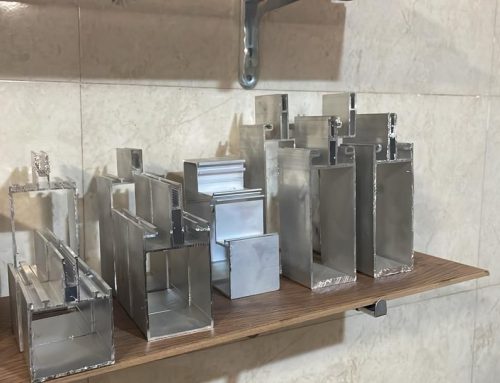
- Standard Profiles: Rectangular, square, and L-shaped profiles commonly used in windows, doors, and furniture frames.
- Thermal Break Profiles: Profiles with an insulating layer that improves energy efficiency for construction in cold climates.
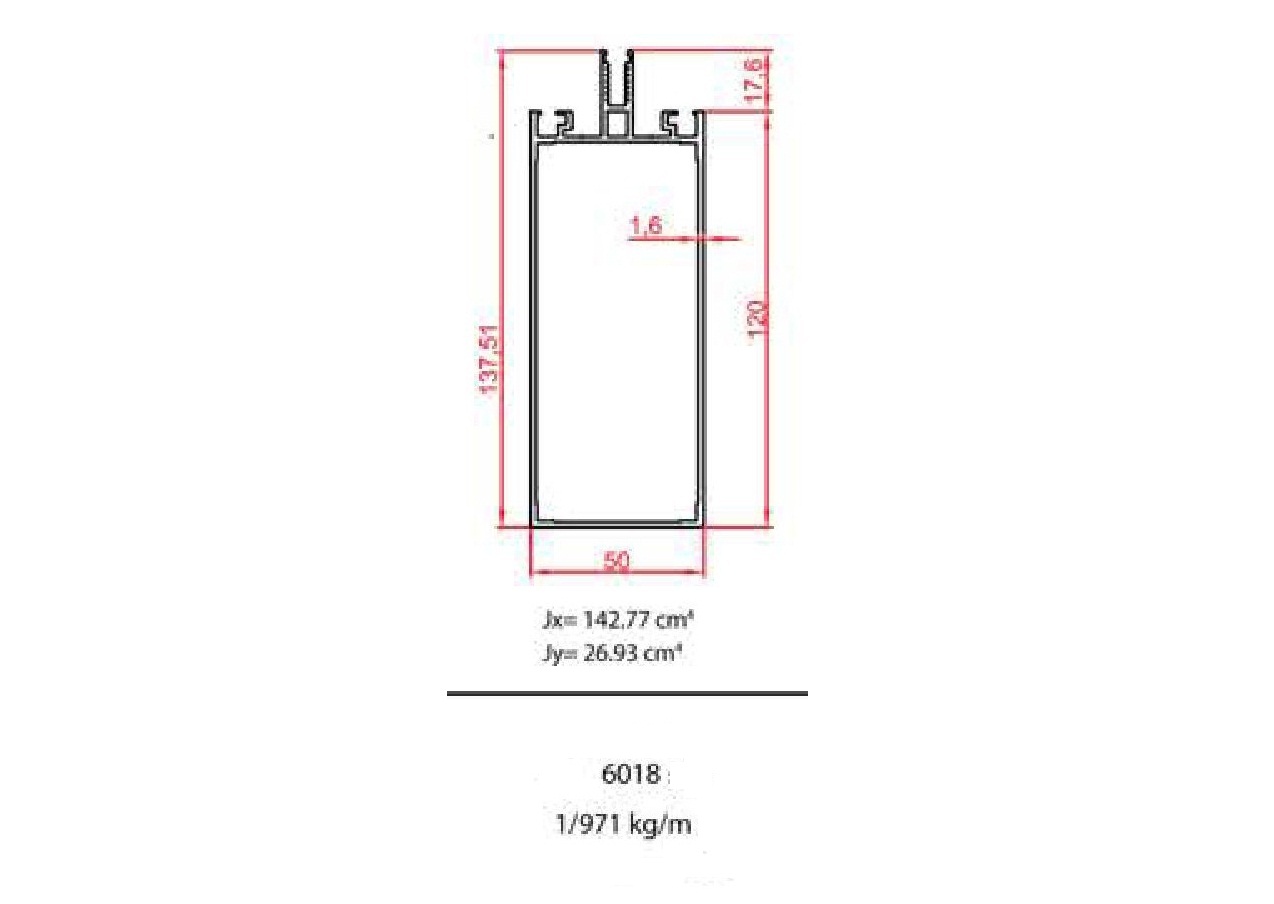
- Structural Profiles: Heavy-duty sections for industrial machinery, scaffolding, and large-scale construction.
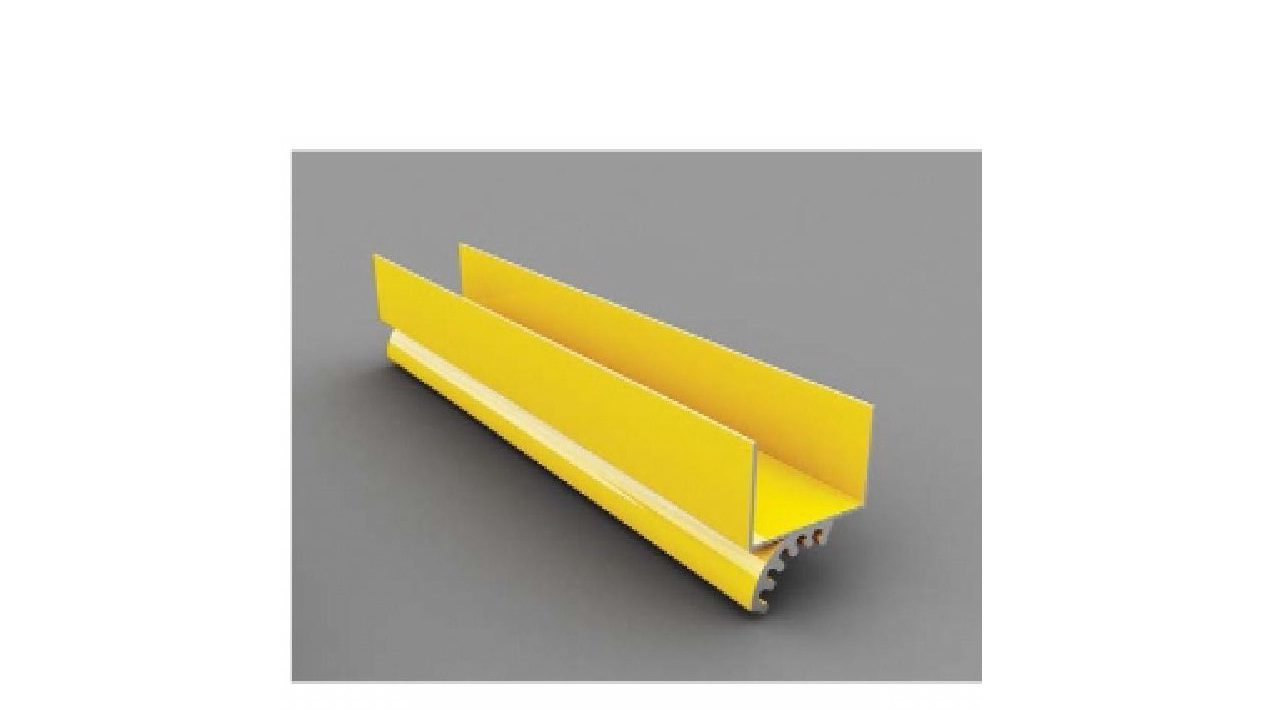
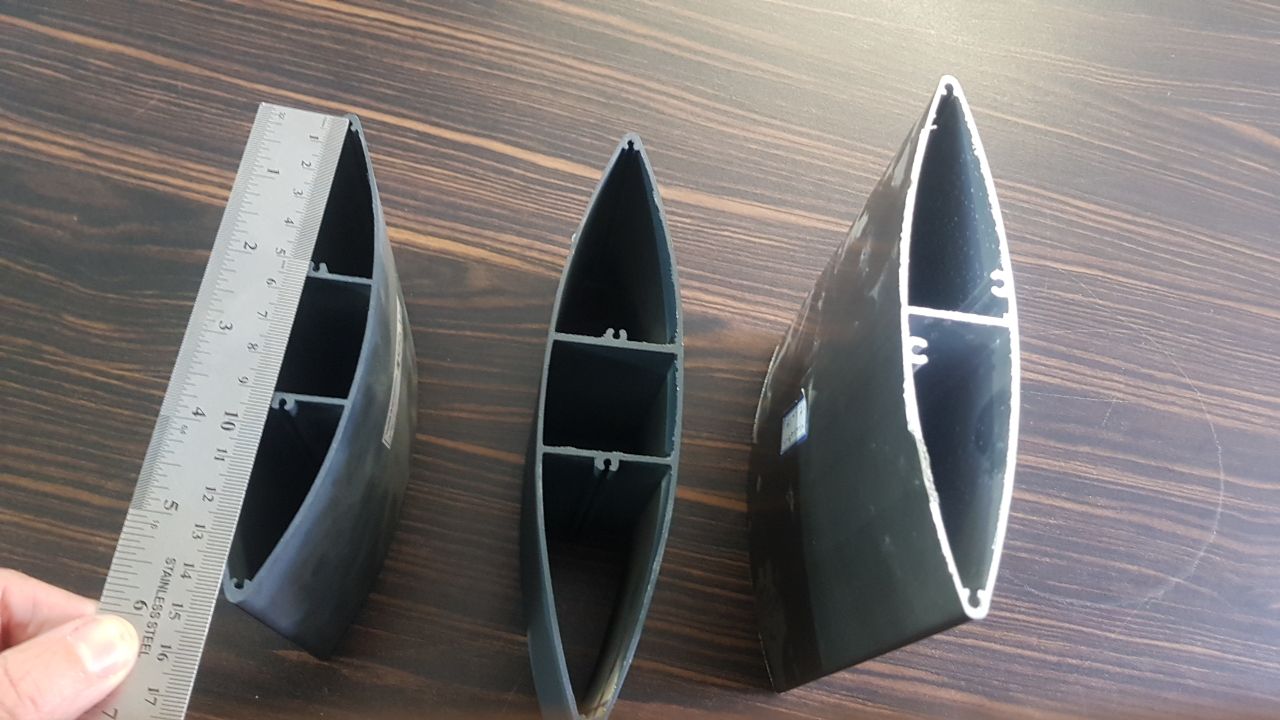
- Decorative Profiles: Lightweight, stylish profiles for interior and exterior design purposes.
- Custom Profiles: Tailor-made extrusions designed for specific machinery, automotive, or electronics applications.
Global Market Trends
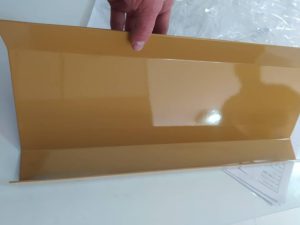
Understanding market trends is crucial for targeting international clients:
- Construction and real estate projects drive demand for both standard and thermal break profiles.
- Automotive and aerospace sectors require precise, lightweight, and high-strength profiles.
- Electronics and industrial machinery need custom profiles for functional and technical purposes.
- Emerging markets in Asia, Africa, and Latin America present new opportunities due to rapid urbanization and infrastructure development.
- Sustainability and energy efficiency trends increase the demand for thermal break and recyclable aluminum profiles.
Advantages of Exporting Aluminum Profiles
Marketing aluminum profiles globally provides several advantages:
- Revenue Expansion: Accessing international clients can lead to larger orders and higher pricing.
- Market Diversification: Reduces dependency on domestic markets and mitigates risks of local economic fluctuations.
- Brand Development: International exposure strengthens brand reputation and opens potential partnerships.
- Long-Term Contracts: Many overseas clients prefer established relationships and repeat supply agreements.
Challenges in International Marketing
While opportunities are abundant, exporters face challenges:
- Regulatory and certification compliance varies across countries, requiring knowledge of ISO, CE, and local standards.
- Shipping and logistics: Aluminum profiles are long, heavy, and prone to damage if not properly packaged.
- Competition from established international suppliers can make market entry difficult.
- Currency fluctuations and international payment risks may impact profitability.
- Customs clearance: Accurate documentation is critical to avoid delays and penalties.
Developing a Marketing Strategy
Market Research and Segmentation
Identify regions with high demand for specific aluminum profiles and fewer local producers. Segment clients based on industry needs, such as construction, automotive, or industrial applications.
Quality Assurance and Certification
Obtain relevant certifications to ensure compliance with international standards. Quality assurance is vital to gain trust from global clients and secure long-term contracts.
Branding and Digital Marketing
Establish a strong online presence through an optimized website, detailed product catalogs, and technical specifications. Use social media platforms and B2B marketplaces to reach potential clients. Highlight successful projects, certifications, and client testimonials.
Trade Shows and Exhibitions
Participation in international exhibitions provides direct access to decision-makers. Live demonstrations and technical consultations help clients understand the quality and application of your profiles.
Packaging, Shipping, and Logistics
Ensure products are packed securely to prevent damage. Use protective materials, crates, and strapping. Collaborate with experienced freight forwarders familiar with handling long and heavy profiles. Monitor shipments and provide tracking information to clients.
Pricing and Payment Options
Offer competitive prices by considering production costs, shipping, and tariffs. Flexible payment terms, such as letters of credit or installment options, can attract new clients and facilitate transactions.
Regional Insights for Marketing
Different regions have unique requirements and preferences:
- Europe: High focus on energy-efficient, thermal break profiles. Environmental compliance and quality certifications are essential.
- North America: Emphasis on construction, industrial machinery, and automotive profiles. Reliable supply chains and consistent quality are valued.
- Asia: Rapidly growing markets with urbanization and industrial expansion. Competitive pricing and technical support are important.
- Middle East: Demand for thermal-insulated profiles for hot climates. Large-scale construction and infrastructure projects offer opportunities.
- Africa & Latin America: Emerging markets with growing industrial and construction sectors. Adaptability and flexibility are crucial for market entry.
Client Relationship Management
Building trust and maintaining strong relationships are essential:
- Provide timely responses and transparent communication regarding production and delivery.
- Offer technical consultation and support for installation or customization.
- Conduct follow-ups to ensure client satisfaction and identify potential new orders.
- Provide reliable after-sales service to encourage repeat business and referrals.
Future Trends in Aluminum Profile Exports
The aluminum profile market is evolving rapidly. Key trends include:
- Increased focus on energy-efficient and thermal break profiles.
- Integration with smart buildings, automation, and advanced construction solutions.
- Expansion into electric vehicles and lightweight industrial applications.
- Emerging markets with infrastructure growth and urbanization.
- Focus on sustainable and recyclable aluminum production.
Conclusion
Marketing aluminum profiles globally requires a deep understanding of product types, regional demands, and international regulations. By implementing effective marketing strategies, maintaining high-quality production, optimizing logistics, and building strong client relationships, exporters can succeed in international markets. Adapting to emerging trends, focusing on sustainable solutions, and providing customized services will further strengthen a company’s presence and profitability. Global marketing of aluminum profiles is not only a business opportunity but also a strategic approach to long-term growth and market leadership.

Leave A Comment