
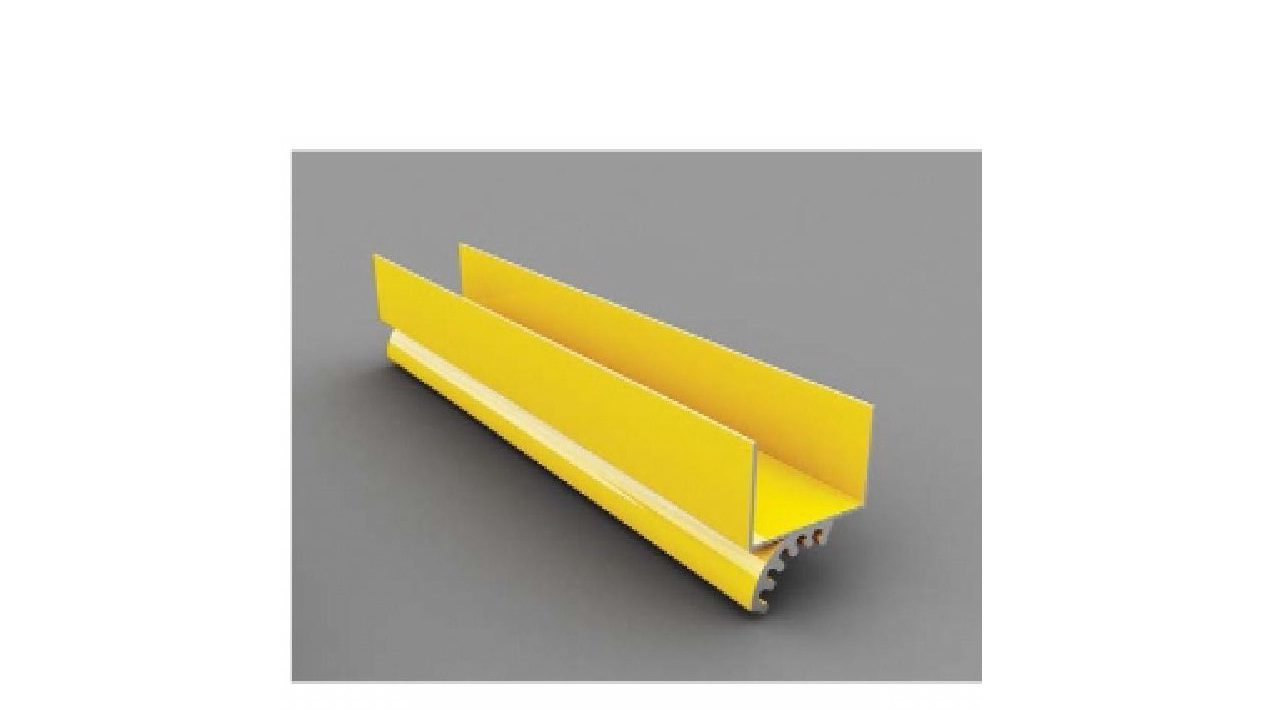
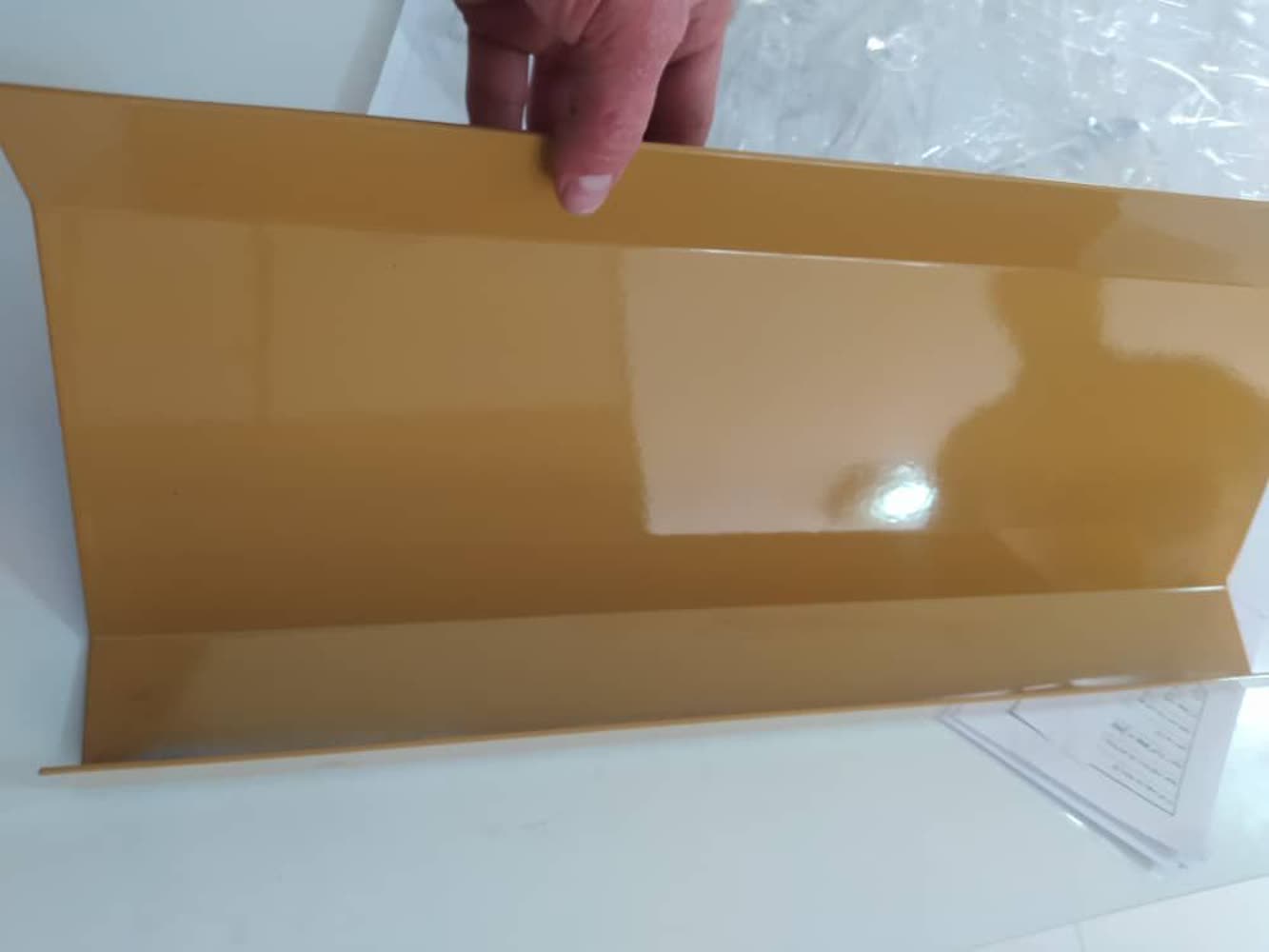
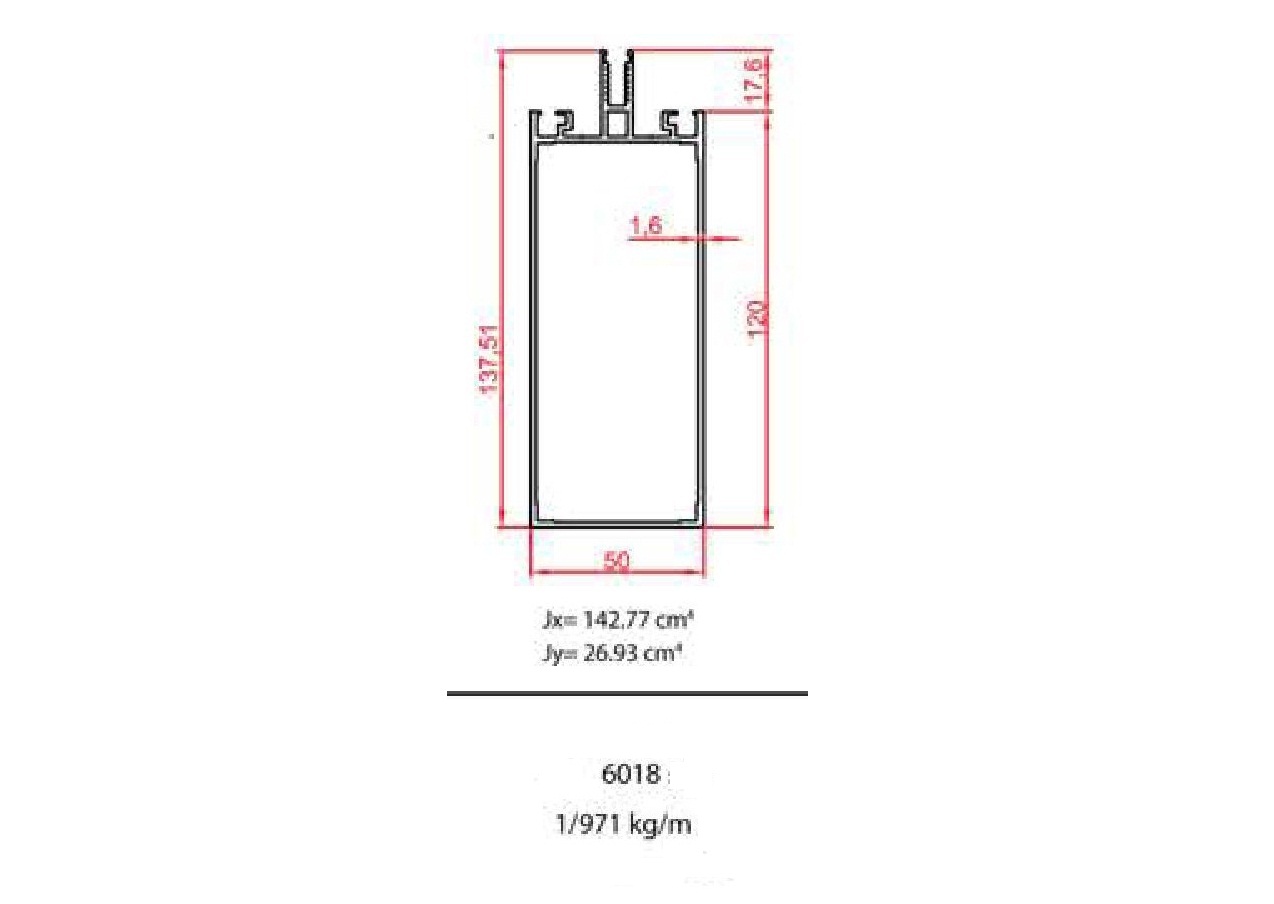
Frameless window detail

Frameless Window Detail: A Contemporary Look for Modern Homes
Frameless windows are a popular design feature in modern architecture. They offer a sleek and clean look that is unmatched by traditional windows. Frameless windows are installed without a visible frame, which provides an unobstructed view and allows natural light to flood into the space. In this article, we will discuss the details of frameless windows, their benefits, and the considerations to keep in mind when choosing them for your home.
What are Frameless Windows?
Frameless windows, also known as structural glass windows, are installed without a frame. They are held in place by structural supports that are hidden within the walls, ceiling, or floor. This creates a seamless look that blends in with the surrounding walls and does not interrupt the view. Frameless windows can be installed in various shapes and sizes, making them a versatile choice for modern homes.

Benefits of Frameless Windows
- Unobstructed View: Frameless windows provide a clear and unobstructed view of the outdoors. Traditional windows have frames that can block parts of the view, but frameless windows provide a panoramic view of the landscape.
- Natural Light: Frameless windows allow natural light to enter the space, making it brighter and more inviting. The absence of a frame means that more light can enter the room, making it feel more open and spacious.
- Aesthetics: Frameless windows offer a contemporary and sleek look that is popular in modern architecture. They can be used to create a minimalist design, which is perfect for homes that favor a clean and simple aesthetic.
- Energy Efficiency: Frameless windows are typically made of energy-efficient glass that can help to reduce heating and cooling costs. The glass used in frameless windows is usually double or triple glazed, which provides excellent insulation and reduces heat loss.
Considerations When Choosing Frameless Windows
- Installation: Frameless windows require precise installation, which can be difficult and time-consuming. The glass panels must be carefully measured and cut to fit perfectly into the structural supports. Improper installation can result in leaks, drafts, or even collapse.
- Cost: Frameless windows are typically more expensive than traditional windows. The cost varies depending on the size, shape, and materials used. However, the cost can be justified by the benefits, such as increased natural light and energy efficiency.
- Maintenance: Frameless windows require regular cleaning to maintain their appearance. The absence of a frame means that dirt and debris can accumulate on the glass, which can be more noticeable than on traditional windows.
- Safety: Frameless windows are made of tempered or laminated glass, which is designed to break into small pieces rather than large shards. This reduces the risk of injury in case of breakage, but it is still important to ensure that the glass is installed properly and meets safety regulations.
Design Considerations for Frameless Windows
- Size and Shape: Frameless windows can be customized to fit any size and shape, which allows for greater design flexibility. Large windows can create a dramatic effect and provide stunning views, while smaller windows can add interest and texture to a space.
- Placement: Frameless windows can be placed in various locations throughout the home, such as walls, ceilings, or floors. Consider the orientation of the window and the surrounding environment when deciding where to place the window.
- Interior and Exterior Finishes: Frameless windows can be finished with a variety of materials, such as wood, metal, or stone, to complement the surrounding architecture. The finish can be used to create a cohesive look between the interior and exterior of the home.
- Privacy: Frameless windows offer an unobstructed view, which can be a concern for privacy. Consider options for privacy, such as frosted or tinted glass, or the use of curtains or blinds.
- Structural Support: Frameless windows rely on structural supports for their installation, which can impact the overall design of the home. The supports must be carefully designed to ensure that they are strong enough to hold the weight of the glass.
- Climate Considerations: The climate of the location should be considered when choosing frameless windows. In areas with extreme temperatures, special coatings may be needed to ensure that the windows remain energy-efficient.
Installation Process of Frameless Windows
The installation process for frameless windows can vary depending on the design and structural requirements of the window. However, the general steps are as follows:
- Site Survey: A site survey is conducted to measure the area where the frameless window will be installed. Precise measurements are taken to ensure that the window fits perfectly into the space.
- Design: The design of the window is created based on the site survey. The design includes the size and shape of the window, as well as the structural supports needed to hold the glass in place.
- Fabrication: The glass is fabricated to the exact measurements of the design. The glass is usually tempered or laminated to ensure safety and durability.
- Installation: The structural supports are installed into the surrounding walls, ceiling, or floor. The glass is then carefully installed into the supports and secured in place.
- Finishing: The finishing touches are added to the window, such as the interior and exterior finishes, and any necessary coatings for energy efficiency or privacy.
Conclusion
Frameless windows offer a contemporary and sleek look that is popular in modern architecture. They provide an unobstructed view, natural light, and energy efficiency, making them a popular choice for homeowners. However, there are considerations to keep in mind when choosing frameless windows, such as the installation process, cost, and maintenance. Proper installation and design are essential to ensure the safety and functionality of frameless windows. Overall, frameless windows offer a unique design feature that can enhance the beauty and functionality of modern homes.
One of the main benefits of frameless windows is the unobstructed view they provide. With no frames to block the view, homeowners can enjoy a clear and uninterrupted view of the outside world. This can be particularly beneficial for homes with beautiful landscapes or city views.
Another benefit of frameless windows is their ability to provide natural light. Natural light has been shown to have a positive impact on mood and overall well-being. By allowing more natural light into the home, frameless windows can help improve the quality of life for homeowners.
In terms of energy efficiency, frameless windows can be designed to meet energy-efficient standards. With the right coatings and designs, frameless windows can reduce heat loss in the winter and heat gain in the summer, resulting in lower energy bills for homeowners.
Maintenance of frameless windows is also relatively easy. With no frames to clean, homeowners can simply clean the glass with a soft cloth and mild detergent. However, it’s important to note that the glass should be cleaned regularly to prevent the buildup of dirt and debris.
In terms of cost, frameless windows can be more expensive than traditional framed windows. However, the cost can vary depending on the size, design, and installation requirements of the window. It’s important to work with a reputable contractor to ensure that the window is designed and installed correctly to prevent any safety issues in the future.
In conclusion, frameless windows can be a beautiful and functional addition to modern homes. They offer an unobstructed view, natural light, energy efficiency, and easy maintenance. However, there are considerations to keep in mind when choosing frameless windows, such as the installation process, cost, and maintenance. By working with a reputable contractor and carefully considering all of the factors involved, homeowners can enjoy the benefits of frameless windows for years to come.
Frameless window detail



Leave A Comment