
what is a curtain wall cladding materials construction
Introduction
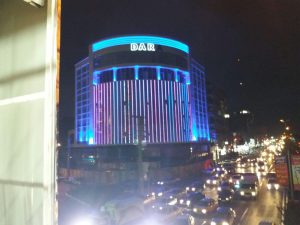
In the realm of modern architecture, curtain wall systems have revolutionized the construction industry by offering not only aesthetic appeal but also superior functionality. Curtain walls are non-structural, lightweight façade systems that envelop the exterior of buildings, creating an impressive and visually striking appearance. The choice of cladding materials for these curtain walls is crucial, as it determines the building’s performance, energy efficiency, and overall appeal. In this article, we will explore the concept of curtain wall cladding materials and their significance in contemporary construction.
Understanding Curtain Wall Systems
Before delving into cladding materials, it’s essential to grasp the basic principles of a curtain wall system. Unlike traditional load-bearing walls, curtain walls are designed to support their weight and external forces independently, transferring the loads to the building’s structural framework. This allows architects to use lightweight materials for the exterior, thus enhancing the building’s overall energy efficiency and design flexibility.
Key Benefits of Curtain Wall Systems:
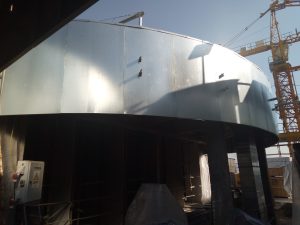
- Aesthetic Versatility: Curtain walls offer endless design possibilities, allowing architects to create visually stunning and iconic facades. The glass and metal combinations permit ample natural light to penetrate the building’s interior, creating a pleasant and vibrant atmosphere.
- Energy Efficiency: Modern curtain wall systems are designed with energy efficiency in mind. Advanced insulation and glazing technologies help regulate indoor temperatures and reduce the building’s reliance on artificial heating and cooling systems.
- Improved Structural Performance: The separation of the building’s structural framework from the external envelope mitigates the effects of thermal expansion and contraction, reducing the risk of structural damage over time.
- Quick Installation: Compared to conventional brick-and-mortar construction, curtain walls can be assembled quickly, speeding up the building process and reducing labor costs.
Cladding Materials for Curtain Walls
Curtain wall cladding materials play a crucial role in determining the performance and aesthetics of the building. There is a wide range of materials available, each with its unique properties and characteristics. The choice of cladding materials depends on factors such as environmental conditions, architectural intent, budget constraints, and energy efficiency requirements.
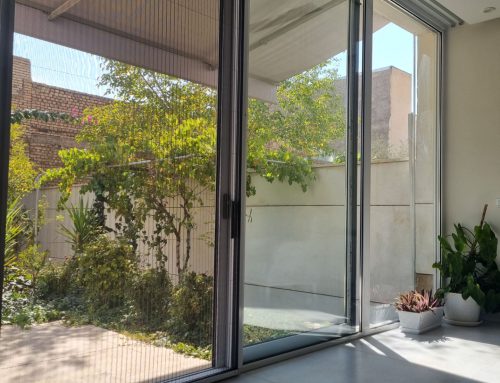
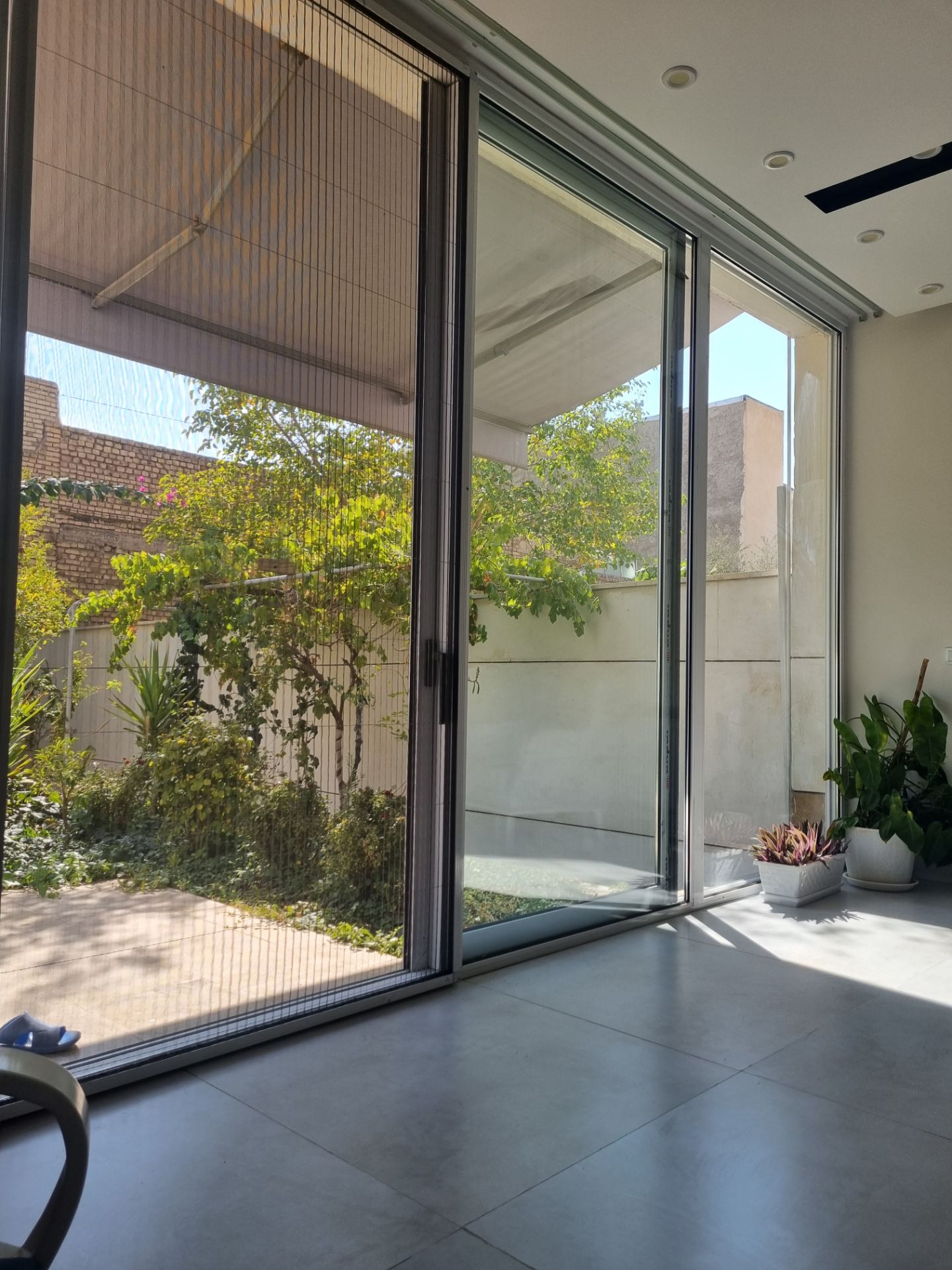
- Glass: Glass is the most common material used in curtain walls due to its transparency and ability to maximize natural light. It offers a sense of openness and spaciousness while providing excellent thermal and acoustic insulation. There are various types of glass available, including tempered, laminated, low-emissivity (low-e), and insulated glass units (IGUs) with multiple layers to enhance energy efficiency.
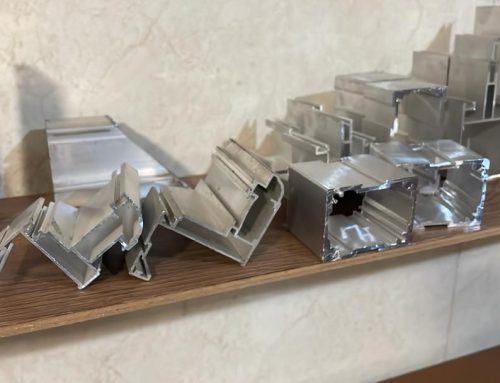
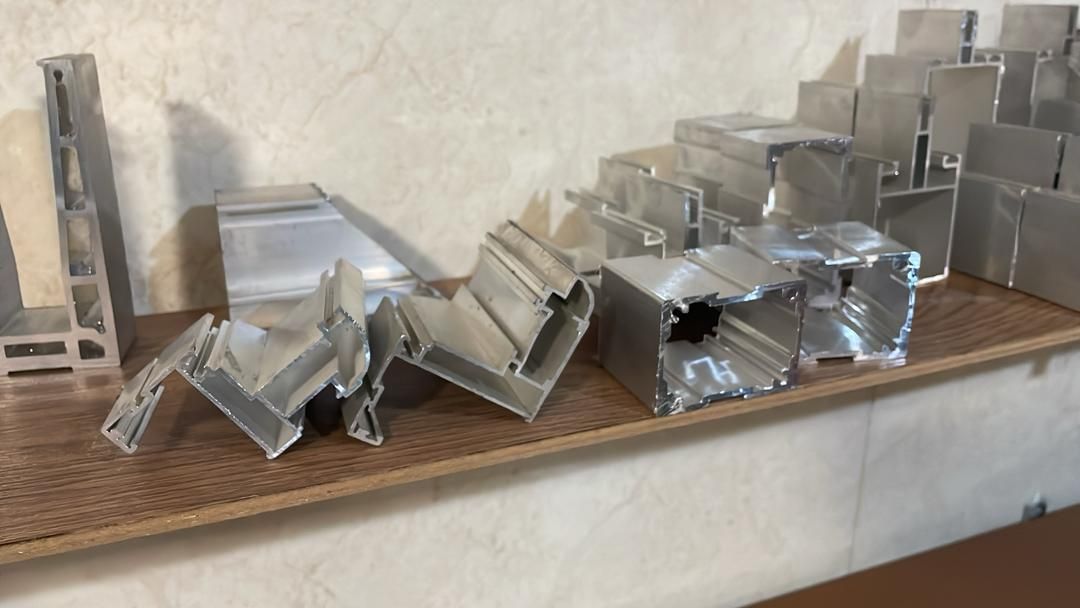
- Aluminum: Aluminum is a popular metal used in curtain wall systems due to its lightweight nature, corrosion resistance, and malleability. It can be easily extruded into various profiles and is often combined with glass panels to form the curtain wall’s frame. Aluminum curtain walls are highly durable and require minimal maintenance.
- Steel: For projects that demand a more robust and industrial appearance, steel curtain walls are a suitable option. Steel provides high structural strength, allowing for larger glass panels and impressive spans. However, steel may require additional corrosion protection in certain environmental conditions.
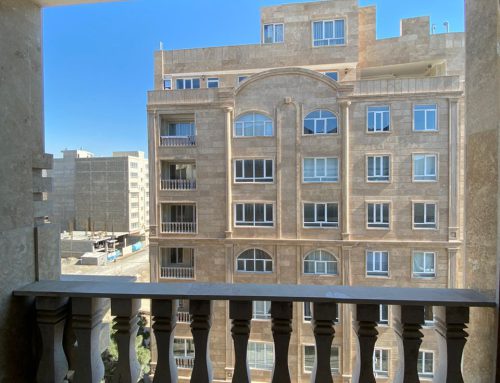
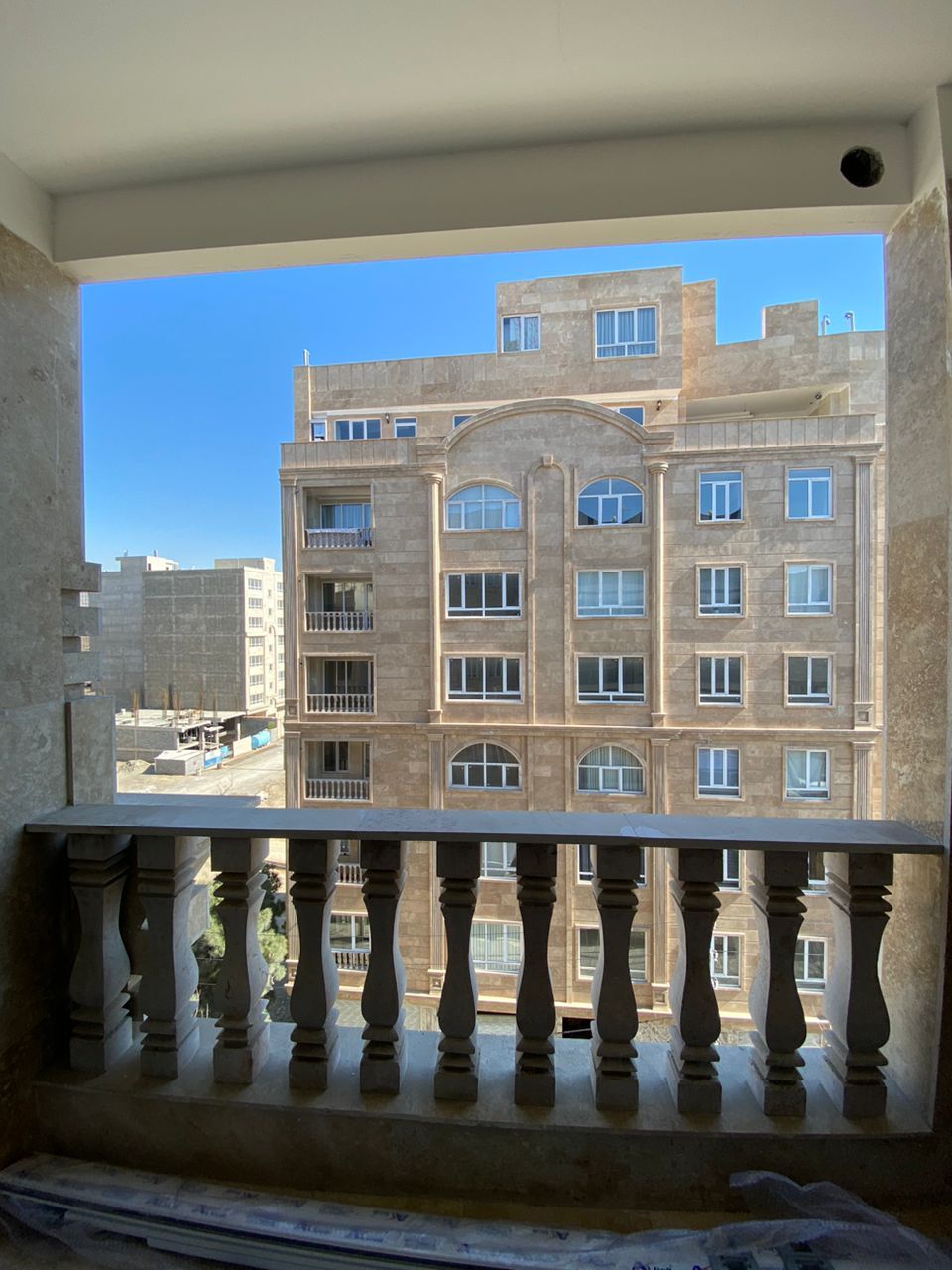
- Stone and Precast Concrete Panels: For a more classical and sophisticated look, natural stone or precast concrete panels can be used as cladding materials. These materials offer excellent durability and can be customized to achieve various textures and finishes.
- Composite Materials: Manufacturers have developed composite materials that combine the benefits of different elements, such as aluminum and plastic. These materials offer enhanced insulation, reduced thermal conductivity, and improved fire resistance.
The Future of Curtain Wall Cladding
As technology and construction practices evolve, the future of curtain wall cladding materials promises even more exciting advancements. Here are some trends and innovations that may shape the future of curtain walls:
- Sustainable Materials: With an increasing focus on sustainability and environmental consciousness, architects and developers are exploring more eco-friendly cladding materials. Biodegradable composites, recycled glass, and innovative organic materials are being researched and tested to reduce the environmental impact of construction.
- Smart Glass and Integration: The integration of smart glass technologies into curtain wall systems is gaining traction. Smart glass can dynamically adjust its transparency, tint, or insulation properties in response to external conditions, enhancing energy efficiency and occupant comfort. Additionally, curtain walls are becoming more interconnected with the building’s systems, allowing for better control and monitoring of lighting, shading, and climate.
- Biophilic Design: Biophilic design principles seek to reconnect people with nature by incorporating natural elements into the built environment. In the context of curtain walls, this could mean integrating living walls, vertical gardens, or foliage-covered facades, promoting well-being and improving air quality.
- 3D-Printed Cladding: The advent of 3D printing has already shown great potential in construction. As the technology advances, we might witness 3D-printed cladding materials that are highly customizable, lightweight, and efficient to produce.
- Photovoltaic Integration: With the growing emphasis on renewable energy, photovoltaic (PV) cells can be integrated into curtain walls to harness solar energy and contribute to the building’s power needs. This integration will further boost the energy efficiency of modern structures.
Conclusion
Curtain wall cladding materials have redefined the way we perceive and construct modern buildings. Their ability to provide impressive aesthetics, energy efficiency, and structural performance has made them a favorite among architects and developers alike. As the world continues to embrace sustainable practices and cutting-edge technologies, curtain wall systems are bound to evolve further, offering even greater benefits and possibilities.
It is important to note that the successful implementation of curtain wall cladding materials depends on careful design, engineering, and collaboration among architects, structural engineers, and construction professionals. Each project must be carefully evaluated based on the specific requirements and objectives to choose the most suitable materials and ensure a durable and visually striking result.
In the years to come, we can expect curtain walls to continue shaping the skylines of cities, pushing the boundaries of architectural design, and exemplifying the perfect fusion of form and function in modern construction. As sustainable practices and innovative materials become mainstream, curtain wall systems will remain at the forefront of cutting-edge architecture, leaving a lasting impression on our urban landscapes and the built environment.

Leave A Comment