
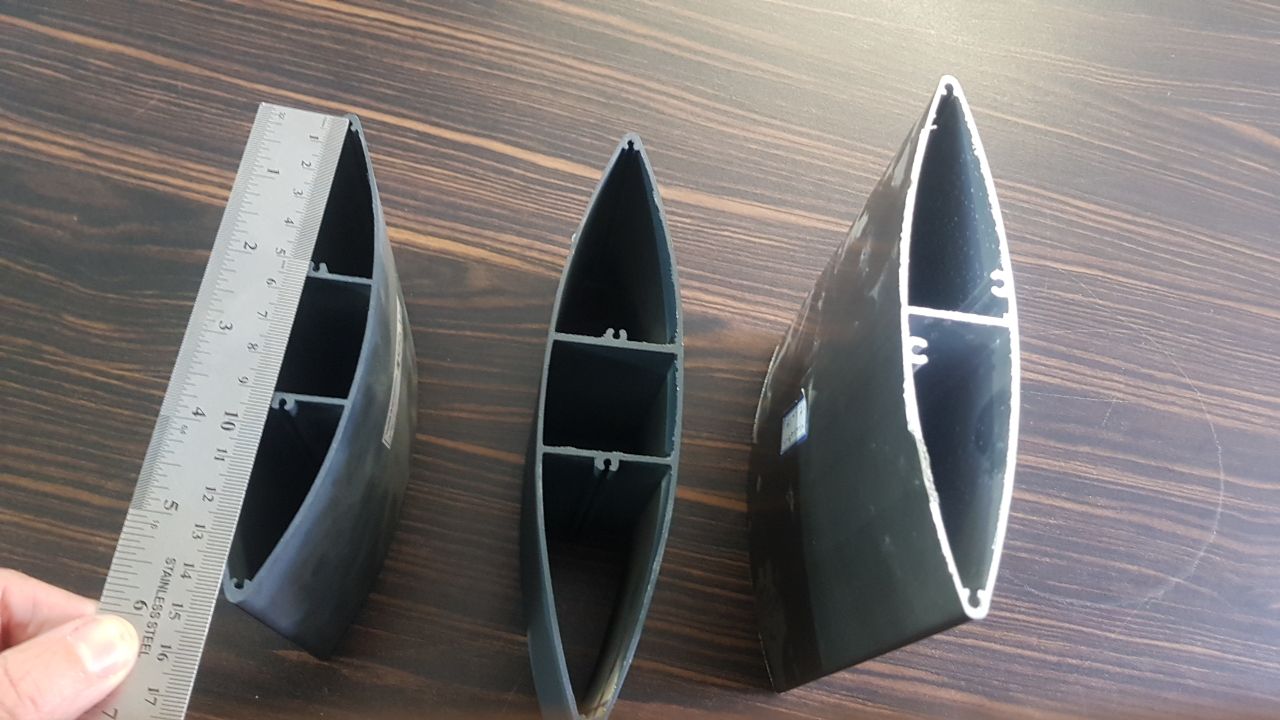
Curtain wall mullion profile
Introduction:
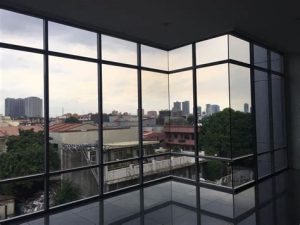
Curtain walls, those elegant expanses of glass and metal, are architectural marvels that define modern skylines. Within these structures lies a crucial element often overlooked but integral to their stability and aesthetics – the mullion profiles. Mullions are the vertical elements that provide support to curtain walls, and their profiles play a vital role in both structural integrity and visual appeal. In this article, we delve into the intricacies of curtain wall mullion profiles, exploring their design considerations, functionalities, and impact on architectural aesthetics.
Understanding Mullion Profiles:
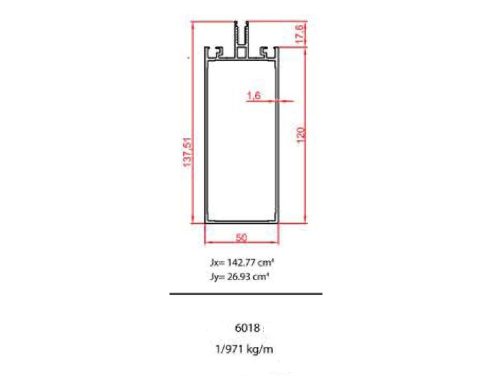
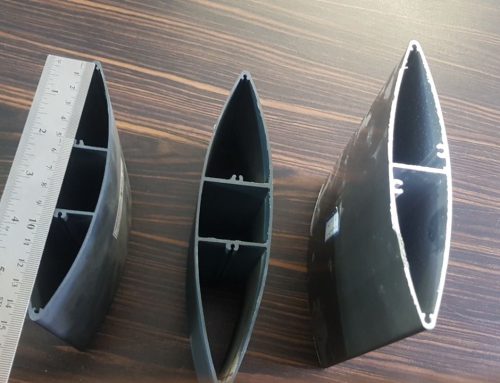
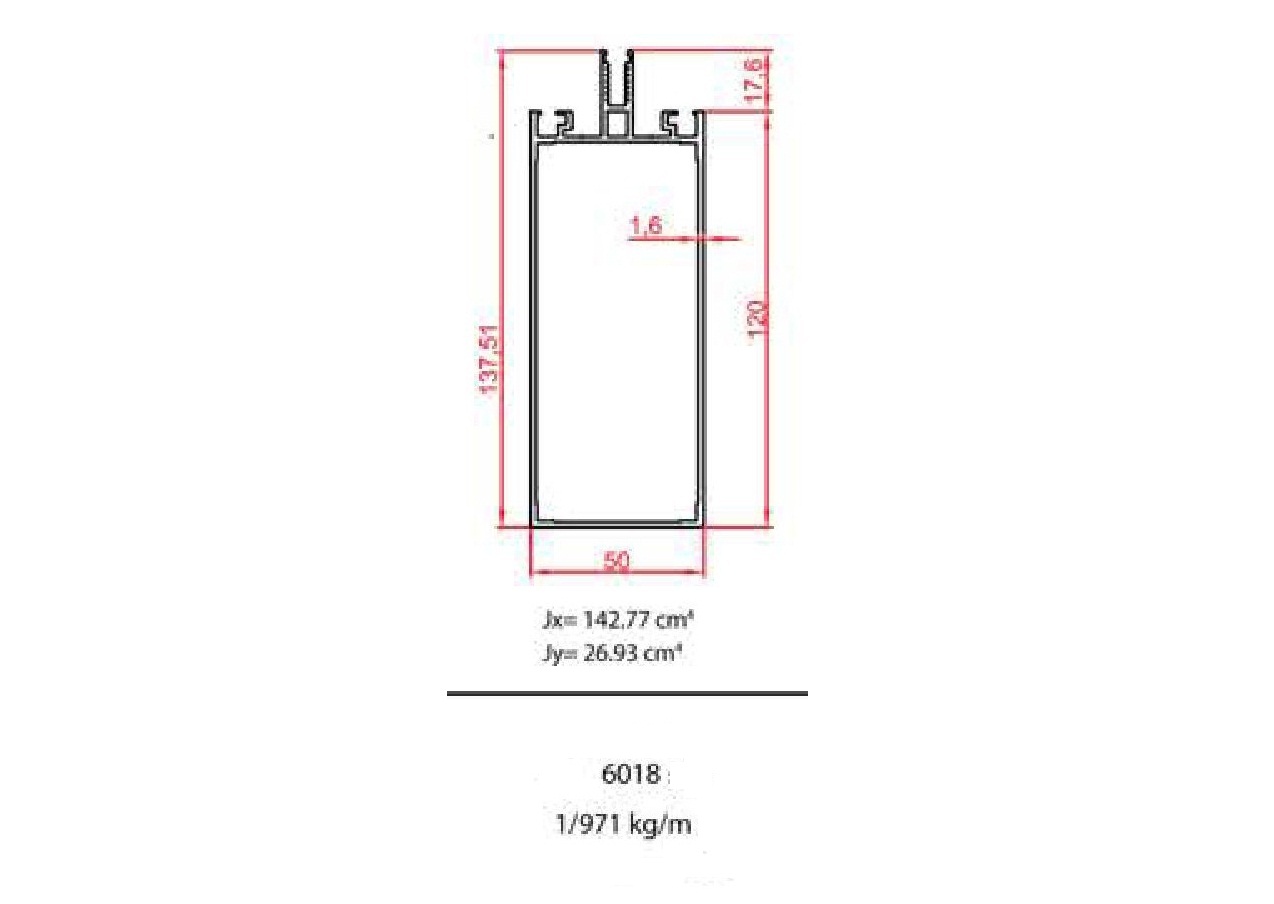
Mullion profiles are essentially the cross-sectional shapes of the vertical members in a curtain wall system. They come in various forms, ranging from simple rectangular or square shapes to more complex configurations featuring curves, angles, and chamfers. The choice of profile depends on several factors, including structural requirements, design preferences, and performance criteria such as thermal efficiency and water penetration resistance.
Structural Considerations:
One of the primary functions of mullion profiles is to provide structural support to the curtain wall system. The profile’s geometry and material properties influence its load-bearing capacity, stiffness, and resistance to wind, seismic forces, and other environmental loads. Engineers and architects collaborate closely to ensure that mullion profiles are designed to withstand the specific demands of the building site and climate conditions.
Performance Requirements: In addition to structural stability, mullion profiles must meet various performance requirements to ensure the curtain wall’s functionality and longevity. These include:
- Thermal Performance: Mullion profiles contribute to the overall thermal efficiency of the building envelope. Insulated mullions with thermal breaks help prevent heat transfer, reducing energy consumption for heating and cooling.
- Water and Air Infiltration: Properly designed mullion profiles, along with seals and gaskets, form a barrier against water and air infiltration, protecting the interior spaces from moisture ingress and maintaining indoor comfort levels.
- Acoustic Insulation: Mullion profiles can also influence sound transmission through the curtain wall system. By incorporating sound-absorbing materials or damping techniques, they contribute to acoustic comfort within the building.
Design Aesthetics: Beyond their functional role, mullion profiles significantly impact the visual aesthetics of curtain wall systems. Architects often use mullions as design elements to create rhythm, scale, and visual interest on the building façade. The profile’s shape, size, color, and finish are carefully selected to complement the overall architectural concept and enhance the building’s appearance both day and night.
Innovations in Mullion Design: Advancements in materials technology and manufacturing processes have expanded the possibilities for mullion design. Today, architects have access to a wide range of materials, including aluminum, steel, glass-fiber-reinforced composites, and even timber, allowing for greater flexibility in creating distinctive mullion profiles. Computer-aided design (CAD) and parametric modeling further enable the exploration of complex geometries, enabling architects to push the boundaries of creativity while maintaining structural integrity.
In the realm of curtain wall design, the evolution of mullion profiles is a testament to the industry’s continuous quest for innovation and sustainability. Here are some emerging trends and future possibilities in mullion profile design:
- Integration of Sustainable Materials: With a growing emphasis on environmental responsibility, architects are exploring mullion profiles made from sustainable materials such as recycled aluminum, bio-based composites, and engineered timber. These eco-friendly alternatives not only reduce the carbon footprint of buildings but also add a distinctive aesthetic appeal.
- Dynamic Facades: The advent of kinetic architecture has opened up new avenues for mullion design, allowing for dynamic facades that respond to environmental conditions or user preferences. Motorized mullion systems can adjust the opening size, orientation, or shading elements in real-time, optimizing daylighting, solar heat gain, and privacy.
- Smart Technologies: Incorporating smart technologies into mullion profiles enables enhanced functionality and performance monitoring. Sensors embedded within the mullions can detect changes in environmental conditions, occupancy patterns, or structural integrity, providing valuable data for building management systems and predictive maintenance strategies.
- Biophilic Design: Inspired by nature, biophilic design principles seek to integrate elements of the natural environment into the built environment. Mullion profiles can emulate organic forms, textures, and patterns found in nature, fostering connections with the outdoors and promoting occupant well-being.
- Customization and Personalization: With advances in digital fabrication and 3D printing, architects have the ability to customize mullion profiles to suit specific project requirements and client preferences. Parametric design tools allow for the generation of unique geometries that can be tailored to the building’s context, cultural identity, or branding.
- Adaptive Energy Management: Mullion profiles are increasingly being equipped with integrated energy management systems that optimize energy usage within the building. These systems may include photovoltaic cells embedded in the mullions to harness solar energy, or electrochromic glass panels that adjust their transparency to control glare and solar heat gain. By actively contributing to energy generation and conservation, mullion profiles play a crucial role in sustainable building practices.
- Resilience and Durability: In an era marked by climate change and extreme weather events, mullion profiles are being engineered to enhance the resilience and durability of curtain wall systems. Advanced coatings and surface treatments protect against corrosion, UV radiation, and pollution, prolonging the lifespan of the mullions and reducing maintenance requirements. Additionally, modular mullion designs facilitate easier replacement and repair, ensuring the long-term performance of the building envelope.
- Collaborative Design Processes: The design and fabrication of mullion profiles increasingly involve interdisciplinary collaboration among architects, engineers, manufacturers, and material scientists. By leveraging their collective expertise, teams can address complex challenges related to performance, aesthetics, and sustainability, resulting in mullion solutions that are both innovative and pragmatic.
- Cultural and Contextual Sensitivity: In culturally diverse urban landscapes, mullion profiles serve as opportunities for architectural expression and cultural representation. Architects draw inspiration from local traditions, craftsmanship, and symbolism to create mullion designs that resonate with the surrounding context and community identity. Whether integrating motifs from indigenous art or reinterpreting historical architectural elements, mullions contribute to the cultural richness and diversity of the built environment.
- Educational Outreach and Knowledge Sharing: As mullion design continues to evolve, educational institutions, professional organizations, and industry forums play a crucial role in disseminating knowledge and best practices. Workshops, conferences, and research initiatives provide platforms for designers and researchers to exchange ideas, showcase innovative projects, and address emerging challenges in mullion engineering and design. By fostering a culture of collaboration and learning, these initiatives drive continuous improvement and excellence in curtain wall design.
In conclusion, the evolution of mullion profiles in curtain wall design reflects a dynamic convergence of technological innovation, sustainability imperatives, and design creativity. As architects and engineers push the boundaries of what is possible, mullions will continue to evolve from passive structural elements to active contributors to building performance, aesthetics, and resilience. By embracing interdisciplinary collaboration, cultural sensitivity, and a commitment to sustainability, the architecture profession can harness the full potential of mullion profiles to shape more vibrant, resilient, and sustainable built environments for generations to come.
In essence, the evolution of curtain wall mullion profiles encapsulates the spirit of architectural innovation and progress. From their humble beginnings as structural necessities to their current status as multifaceted design elements, mullions have traversed a remarkable journey shaped by technological advancements, environmental considerations, and aesthetic aspirations.
Looking forward, the trajectory of mullion profile design promises even greater achievements and possibilities. As architects, engineers, and manufacturers collaborate to tackle the challenges of the future, mullions will continue to evolve as integral components of high-performance building envelopes that prioritize sustainability, resilience, and human well-being.
In the tapestry of architectural history, curtain wall mullion profiles stand as testaments to human ingenuity and creativity. They embody the delicate balance between form and function, tradition and innovation, culture and technology. As they continue to grace skylines around the world, mullions remind us of architecture’s power to shape our environments and enrich our lives, one profile at a time.

Leave A Comment