
curtain wall extrusion profiles
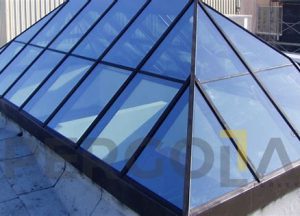
In the realm of modern architecture, the curtain wall stands as a testament to both functionality and aesthetic appeal. It’s the defining feature of countless skyscrapers and contemporary buildings worldwide. While the glass panels themselves often steal the spotlight, it’s the curtain wall extrusion profiles that form the backbone of these structures, facilitating their grandeur and efficiency.
Understanding Curtain Wall Extrusion Profiles
At its core, a curtain wall is a non-structural outer covering of a building’s facade, designed to keep the weather out and the occupants in comfort. Traditionally, curtain walls were made of steel or aluminum frames, filled with glass, and attached to the building’s structure. However, it’s the evolution of these frames, particularly the extrusion profiles, that has allowed architects and engineers to push the boundaries of design.
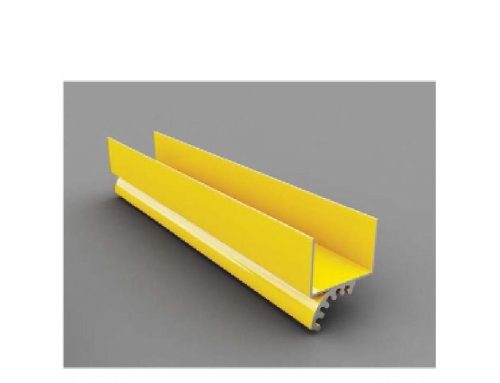
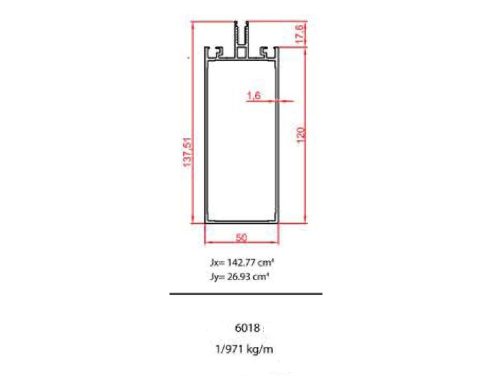
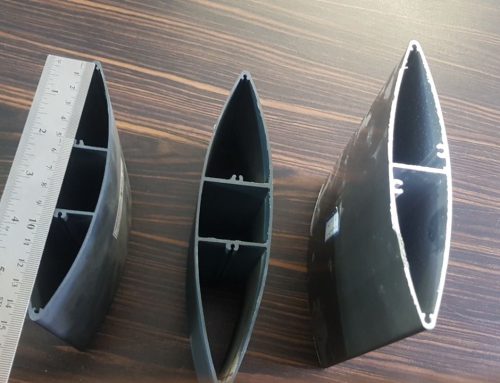
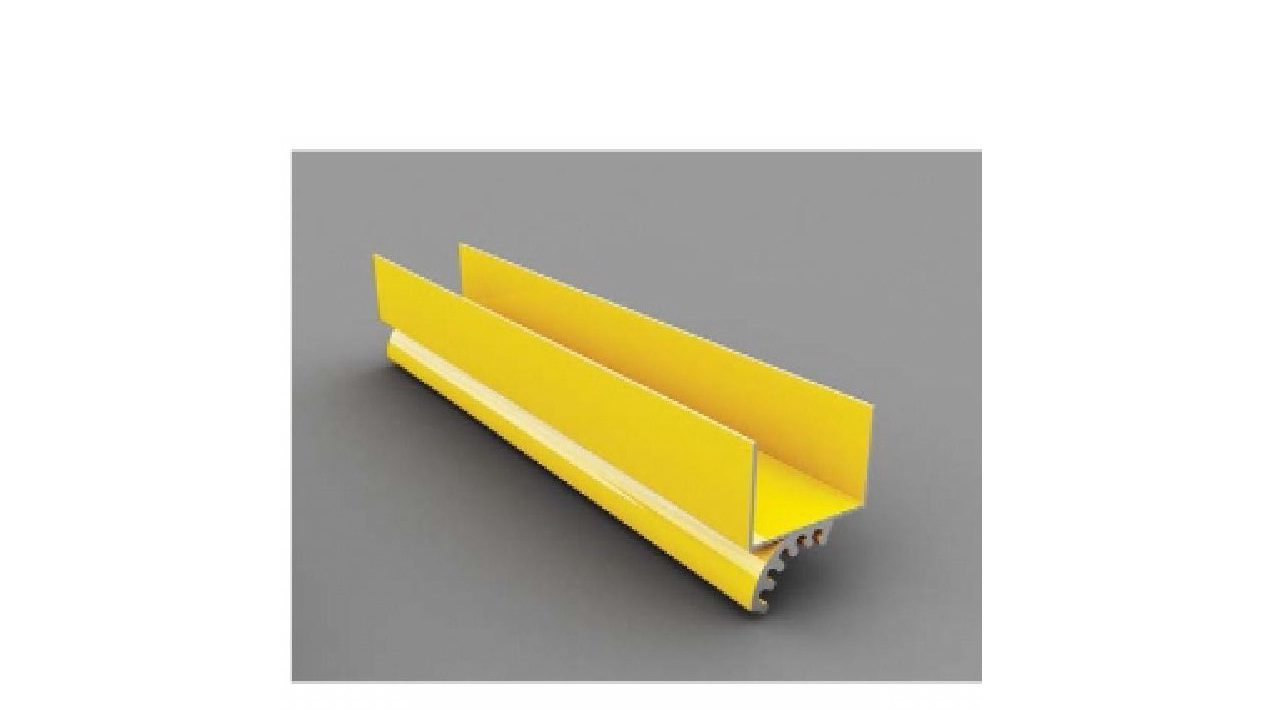
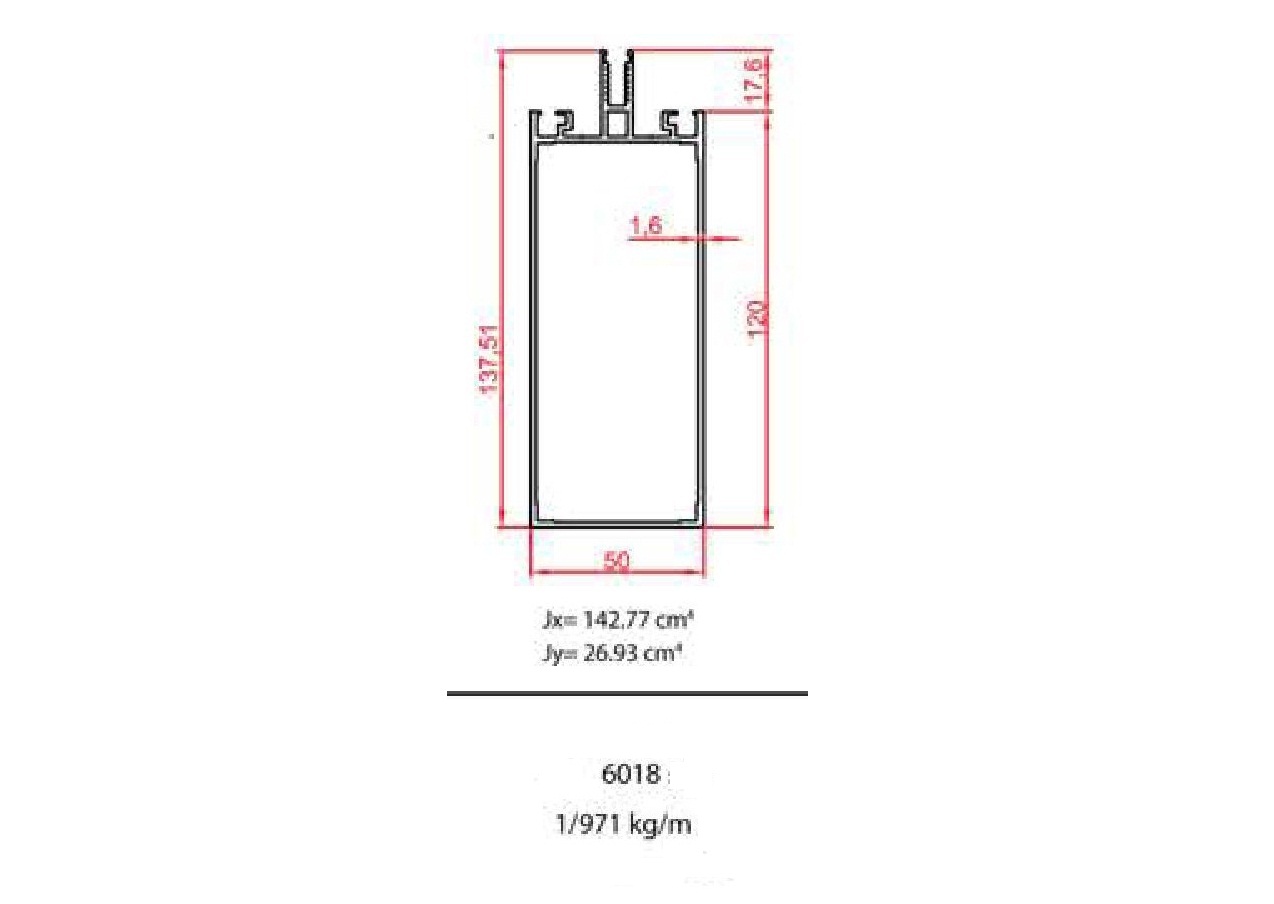
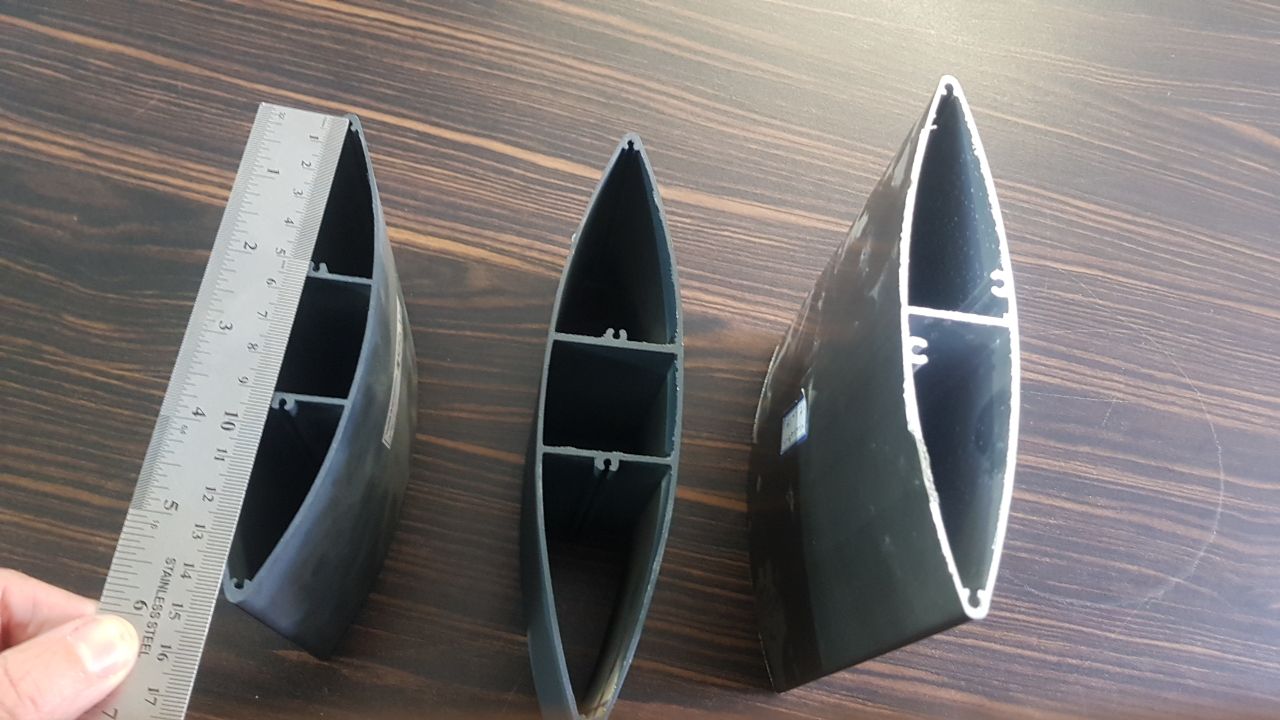
Extrusion profiles are essentially aluminum bars that are shaped by forcing the metal through a die. These profiles serve as the framework for the curtain wall system, providing support for the glass panels while also accommodating various design requirements such as thermal insulation, structural integrity, and aesthetic preferences.
The Evolution of Design
The history of curtain wall extrusion profiles is a story of innovation and adaptation. Early designs were simple and utilitarian, focused primarily on functionality rather than form. However, as architectural tastes evolved and technology advanced, designers began to explore more intricate and visually appealing profiles.
One significant development in recent years has been the shift towards customization. Thanks to advancements in manufacturing techniques such as CNC machining and 3D printing, architects now have unprecedented freedom to create unique extrusion profiles tailored to the specific needs of each project. This level of customization allows for greater design flexibility and ensures that the curtain wall complements the overall aesthetic vision of the building.
Balancing Form and Function
While aesthetics are important, the primary role of curtain wall extrusion profiles is to provide structural support and protection against the elements. As such, engineers must strike a delicate balance between form and function when designing these profiles.
One of the key challenges engineers face is optimizing thermal performance. Aluminum is an excellent conductor of heat, which can lead to energy inefficiencies if not properly addressed. To mitigate this issue, modern extrusion profiles often incorporate thermal breaks – insulating materials that separate the interior and exterior components of the frame, reducing heat transfer and improving energy efficiency.
Additionally, extrusion profiles must be engineered to withstand various environmental factors such as wind loads, seismic activity, and temperature fluctuations. Advanced computer modeling and simulation techniques help engineers analyze and optimize the performance of these profiles under different conditions, ensuring the structural integrity of the curtain wall system.
Looking Towards the Future
As technology continues to advance, the future of curtain wall extrusion profiles looks promising. Innovations such as smart materials, nanotechnology, and biomimicry hold the potential to revolutionize the way we design and construct buildings. Imagine curtain walls that can adapt to changing weather conditions, or profiles that harness solar energy to power the building – the possibilities are endless.
Furthermore, as sustainability becomes an increasingly pressing concern, there is growing interest in using recycled materials and reducing the carbon footprint of construction projects. By incorporating eco-friendly materials and manufacturing processes, curtain wall extrusion profiles can play a significant role in creating more environmentally responsible buildings.
Challenges and Innovations
Despite the progress made in curtain wall extrusion profiles, several challenges persist. One ongoing concern is the issue of maintenance and durability. While aluminum is inherently resistant to corrosion, exposure to harsh environmental conditions can still cause wear and tear over time. Engineers are continually exploring new coatings and surface treatments to enhance the longevity of extrusion profiles and minimize the need for maintenance.
Another area of focus is acoustics. As buildings become taller and urban environments grow denser, controlling noise pollution becomes increasingly important. Curtain wall systems must not only provide a barrier against the elements but also effectively block out unwanted noise from the surrounding environment. This requires careful consideration of the profile design, as well as the integration of sound-absorbing materials where necessary.
In response to these challenges, researchers are exploring innovative solutions such as active noise cancellation technology and advanced acoustic modeling techniques. By incorporating these advancements into the design of curtain wall extrusion profiles, architects can create buildings that not only look impressive but also provide a peaceful and comfortable indoor environment for occupants.
The Intersection of Art and Engineering
At its core, the design of curtain wall extrusion profiles is a testament to the collaborative nature of architecture. It’s a discipline that requires the seamless integration of art and engineering, where form and function intersect to create structures that inspire awe and admiration.
Architects and engineers work hand in hand, leveraging their respective expertise to push the boundaries of what’s possible. From the initial conceptualization phase to the final installation, every decision – from the choice of materials to the configuration of the profiles – is made with careful consideration of both aesthetic and technical requirements.
In this sense, curtain wall extrusion profiles serve as a symbol of human ingenuity and creativity, embodying the spirit of innovation that drives progress in architecture and design. As we continue to push the boundaries of what’s possible, one thing remains certain: the evolution of curtain wall extrusion profiles will continue to shape the skylines of our cities for generations to come.
Adapting to Changing Needs
In an era marked by rapid urbanization, climate change, and technological advancement, the demands placed on curtain wall systems are constantly evolving. Architects and engineers must adapt to these changing needs, designing extrusion profiles that not only meet current requirements but also anticipate future challenges.
One such challenge is the need for greater sustainability. As concerns about environmental degradation and resource depletion continue to mount, there is growing pressure on the construction industry to minimize its ecological footprint. Curtain wall extrusion profiles offer a ripe opportunity for innovation in this regard. By incorporating sustainable materials, optimizing energy performance, and implementing efficient manufacturing processes, designers can create curtain wall systems that are both environmentally responsible and visually striking.
Moreover, the rise of smart buildings presents new opportunities for curtain wall design. With the proliferation of Internet of Things (IoT) technology, buildings are becoming increasingly interconnected and intelligent. Curtain wall systems equipped with sensors, actuators, and other smart features can dynamically adjust their properties in response to changing environmental conditions, enhancing comfort, efficiency, and safety for occupants.
Embracing Diversity in Design
One of the most exciting aspects of curtain wall extrusion profiles is their versatility in design. No longer confined to standard shapes and sizes, architects now have a vast array of options at their disposal, allowing them to create truly unique and expressive facades.
From sleek and minimalist profiles to intricate and ornate designs, the possibilities are endless. Extrusion profiles can be customized to reflect the cultural identity of a building’s location, pay homage to its historical context, or simply make a bold architectural statement.
Furthermore, advancements in digital fabrication technologies are empowering architects to explore even more complex and innovative designs. With the advent of parametric modeling, generative design algorithms, and robotic fabrication techniques, designers can push the boundaries of what’s possible, creating curtain wall systems that are as functional as they are visually captivating.
Fostering Collaboration and Inspiration
In the dynamic world of architecture, collaboration is key to success. Architects, engineers, manufacturers, and other stakeholders must work together to translate creative visions into tangible realities. Curtain wall extrusion profiles serve as a focal point for this collaborative process, bringing together diverse perspectives and expertise to achieve shared goals.
Through interdisciplinary dialogue and innovation, designers can push the boundaries of what’s possible, exploring new materials, techniques, and design strategies. By fostering an environment of open communication and mutual respect, they can leverage the collective wisdom of the team to overcome challenges and unlock new opportunities.
Moreover, curtain wall extrusion profiles serve as a source of inspiration for future generations of architects and designers. As aspiring professionals study the iconic buildings of the past and present, they are drawn to the intricate details and innovative solutions found in curtain wall systems. By sharing knowledge, mentoring emerging talent, and fostering a culture of curiosity and exploration, experienced practitioners can help cultivate the next generation of architectural visionaries.
A Lasting Legacy
In the grand narrative of human history, architecture stands as a testament to the ingenuity, creativity, and aspirations of civilization. From the towering pyramids of ancient Egypt to the sleek skyscrapers of the modern era, each architectural marvel tells a story of triumph, innovation, and cultural identity.
Curtain wall extrusion profiles are no exception. They are the silent protagonists of our urban landscapes, the unsung heroes of modernity. As we marvel at the shimmering glass facades and soaring heights of contemporary buildings, let us not forget the humble aluminum bars that make it all possible.
In the end, the legacy of curtain wall extrusion profiles is not just one of innovation and engineering prowess but also of human imagination and collaboration. They are a testament to what we can achieve when we dare to dream, when we come together in pursuit of a shared vision.
As we gaze upon the ever-changing skyline of our cities, let us remember the journey of those who came before us, who dared to imagine the impossible and transform it into reality. And let us look to the future with hope and determination, knowing that the evolution of curtain wall extrusion profiles will continue to shape the world we inhabit for generations to come.

Leave A Comment